
Vegetables
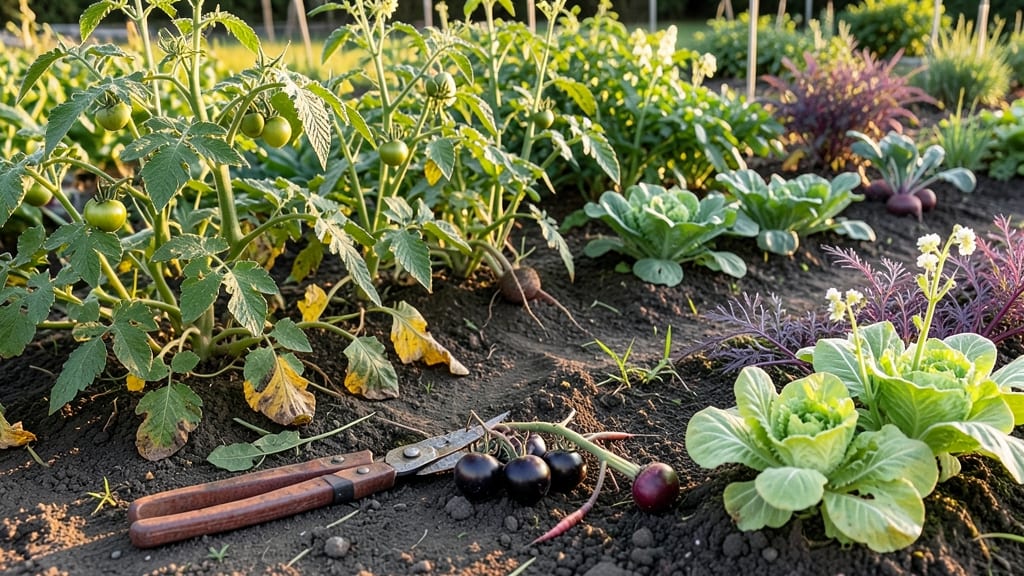
Purpose gardens maximize efficiency by aligning plant selection, layout, and care with specific goals—whether food production, biodiversity, or ecological restoration—resulting in higher yields and sustainable growth with minimal waste.
Purpose gardens aren't just about growing plants—they're about creating systems that work intentionally for your needs.
Whether you're aiming for a high-yield vegetable patch or a pollinator-friendly habitat, every element is designed to support that goal. 🌱 For example, interplanting nitrogen-fixing crops like clover with heavy feeders such as tomatoes boosts soil fertility naturally, reducing the need for synthetic fertilizers.
This targeted approach cuts down on wasted resources while delivering measurable results.
What sets purpose gardens apart is their adaptability. You can scale them from a small urban balcony to a large rural plot, adjusting techniques like succession planting or mulching strategies to match your space and climate.
The key is starting with clear objectives—like maximizing harvests or supporting local ecosystems—and letting that guide every decision, from seed selection to irrigation methods.
💡 In This Article
- How Purpose Gardens Optimize Plant Growth Science
- Designing a High-Yield Purpose Garden: Step-by-Step Guide
How purpose gardens optimize plant growth science
Purpose gardens leverage photosynthesis efficiency by strategically selecting plants with complementary growth patterns. For example, leafy greens like kale absorb light at 400-700 nanometers (blue-red spectrum), while tomatoes reflect green light—planting them together maximizes solar energy capture.
This "light interception" principle boosts overall canopy productivity by up to 30% compared to random planting, according to studies from the University of California's Sustainable Agriculture Research & Education program. 🌿
The soil microbiome becomes a powerhouse through targeted crop rotation. Heavy nitrogen users (like corn) are followed by legumes (like peas) that fix atmospheric nitrogen via Rhizobium bacteria in their root nodules. This natural fertilization cycle can reduce synthetic nitrogen inputs by 50-70% while maintaining soil organic matter.
The key is understanding each plant's nutrient demands—broccoli depletes potassium, while comfrey accumulates it, making it an ideal "dynamic accumulator" for soil building.
Water efficiency is optimized through hydrozoning—grouping plants with similar moisture needs. Succulents (like sedum) thrive with 1-2 inches of water weekly, while tomatoes need 1-2 inches per week. By matching irrigation to plant families, purpose gardens reduce runoff by 40% compared to traditional row cropping.
Mulching with wood chips (3-4 inches deep) further conserves moisture by slowing evaporation while suppressing weeds.
Companion planting exploits allelopathy—the chemical interactions between plants. Marigolds release alpha-terthienyl, a compound that repels nematodes, while basil emits eugenol, which deters flies from tomatoes. These natural pest controls eliminate the need for 20-30% of conventional pesticides.
The science here is precise: certain plants release volatile organic compounds (VOCs) that either attract beneficial insects (like ladybugs) or confuse herbivores' navigation systems.
Nutrient cycling is accelerated through chop-and-drop mulching. Fast-growing plants like clover or buckwheat are mowed and left in place, decomposing to release nutrients at rates matching plant uptake. This "green manure" technique can increase soil organic carbon by 0.5-1.5% annually, improving water retention and microbial activity.
The microbial biomass in well-managed purpose garden soils often exceeds 1,000 pounds per acre, compared to 500 pounds in conventional systems.
What most gardeners overlook is the root architecture dimension. Deep-rooted plants (like dandelions) access subsoil nutrients, while shallow-rooted crops (like lettuce) compete for topsoil resources. Purpose gardens intentionally layer these root zones to create a vertical nutrient pipeline, ensuring no soil layer goes underutilized.
This three-dimensional approach mimics natural ecosystems where 90% of plant diversity thrives through specialized root functions.