
Vegetables
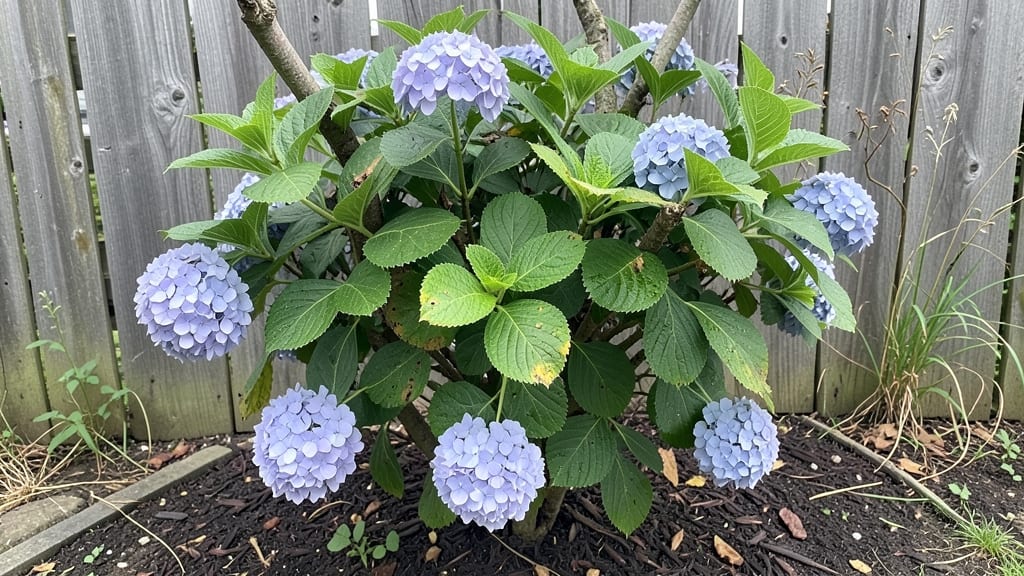
AHS Reciprocal Gardens showcase cold-hardy perennials designed to flourish in tough climates while spreading effortlessly, cutting back on upkeep and delivering vibrant, self-replenishing gardens that require minimal intervention.
AHS Reciprocal Gardens focus on plants that naturally multiply through seed dispersal or underground runners, creating dense ground cover that outcompetes weeds. 💛 These gardens thrive in zones 3-9, where traditional perennials often struggle, thanks to deep root systems that access moisture and nutrients efficiently.
The self-sustaining nature means less mowing, dividing, or replanting—just occasional deadheading to encourage more blooms.
What sets these gardens apart is their ecological resilience. Many featured perennials like coneflowers and black-eyed Susans attract pollinators while improving soil structure over time.
The key to success lies in selecting varieties that match your local climate and sunlight conditions, then letting nature do the work while you enjoy the results with minimal effort.
💡 In This Article
- How AHS Reciprocal Gardens Thrive in Cold Climates
- Top 10 Cold-Hardy Perennials for Self-Spreading Gardens
How AHS reciprocal gardens thrive in cold climates
The secret to these gardens' resilience lies in their deep taproots and fibrous root systems. Plants like coneflowers (Echinacea) develop roots that can reach 3-5 feet deep, accessing moisture and nutrients even during drought.
This adaptation allows them to survive below-zero temperatures while traditional annuals would perish. The root structure also improves soil aeration over time, creating a more hospitable environment for future growth. 🔥
Take black-eyed Susans (Rudbeckia) for example—they thrive in zones 3-9 and spread via both seeds and underground rhizomes. Their coarse, velvety foliage stores moisture efficiently, while their 2-3 inch flower heads provide nectar for bees and butterflies throughout late summer.
Unlike invasive species, these perennials stay contained through natural growth patterns rather than aggressive spreading.
The ecological benefits go beyond survival. Sedums, another popular choice, form dense mats that suppress weeds while their succulent leaves retain water during dry spells. Their shallow but extensive root systems prevent erosion, making them ideal for slopes or rain gardens.
What most gardeners don't realize is how these plants work together—coneflowers attract pollinators that help fertilize neighboring plants, creating a self-sustaining ecosystem. ✨
Drought resistance is another key factor. Many AHS reciprocal plants have waxy leaf coatings that reduce water loss, while their deep roots tap into groundwater sources. This means once established, they require 30-50% less water than annuals or shallow-rooted perennials.
The trade-off? They may take 2-3 years to reach full maturity, but their long-term benefits far outweigh the initial investment.
Consider the growth habits: coneflowers spread 1-2 feet per year through seed dispersal, while sedums creep 6-12 inches annually via stolons. This controlled expansion means you'll never have to thin or divide plants aggressively—just occasionally remove spent blooms to redirect energy into new growth.
The result is a garden that looks intentional with minimal effort. 💫
For gardeners in colder regions, the real advantage becomes clear in late fall. While many perennials die back completely, AHS reciprocal plants often retain some foliage or stems that provide winter interest.
Their ability to regenerate from roots means they bounce back quickly in spring, often 2-4 weeks earlier than shallow-rooted alternatives.