
Tools
Transforming old wooden pallets into thriving garden beds saves money and space while creating unique growing areas. These 10 upcycled pallet garden designs maximize yields, adapt to small spaces, and repurpose materials sustainably for any gardener.
Vertical Pallet Herb Garden
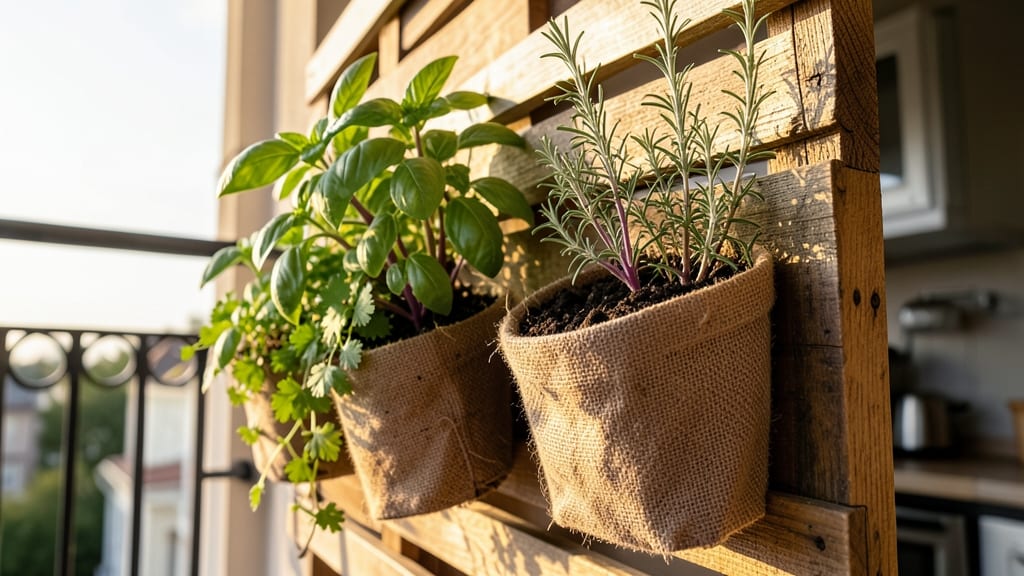
Turn your tiny balcony or kitchen nook into a fragrant herb haven with a vertical pallet herb garden. This space-saving solution lets you grow basil, thyme, rosemary, and parsley in individual pockets—perfect for snipping fresh herbs whenever you cook.
Start by sanding and sealing a clean pallet to prevent chemical leaching, then cut slits in the wood for planting pockets. Use well-draining potting mix and place the pallet where it gets 6 hours of sun daily. For extra convenience, add a small watering can with a long spout to reach all pockets easily. This design thrives in containers and keeps herbs within arm's reach for effortless harvesting.
Urban gardeners and busy cooks will love this low-maintenance setup that fits almost anywhere. 🌱
Raised Pallet Flower Border
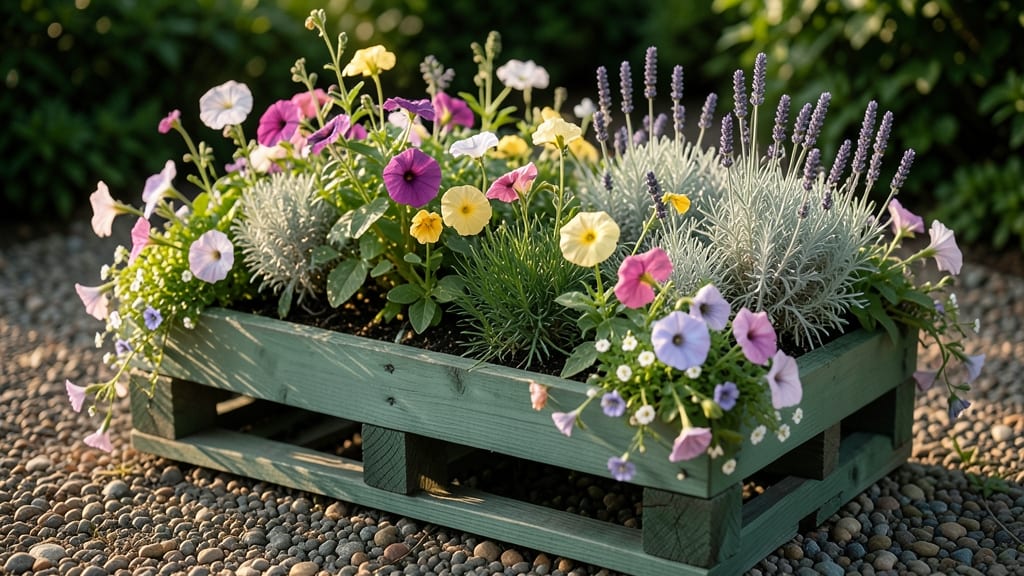
Transform your cottage garden into a romantic, elevated floral paradise with a raised pallet flower border—where delicate blooms thrive without soil-borne threats. This design lifts your favorite annuals and perennials off the ground, creating a disease-free growing environment while showcasing their colors at eye level.
Fill the pallet with a mix of drought-tolerant plants like snapdragons, marigolds, and petunias for vibrant, low-maintenance color. The elevated structure improves drainage, preventing root rot in moisture-sensitive blooms, while the rustic wood adds charm to any garden style. Add a layer of landscape fabric at the bottom to block weeds and extend the bed's lifespan.
Perfect for gardeners who love cottage aesthetics but struggle with heavy, clay soils, this design also makes seasonal swaps effortless. Just swap out spent plants each year for fresh blooms—no heavy digging required! 🌷
Tiered Pallet Vegetable Tower
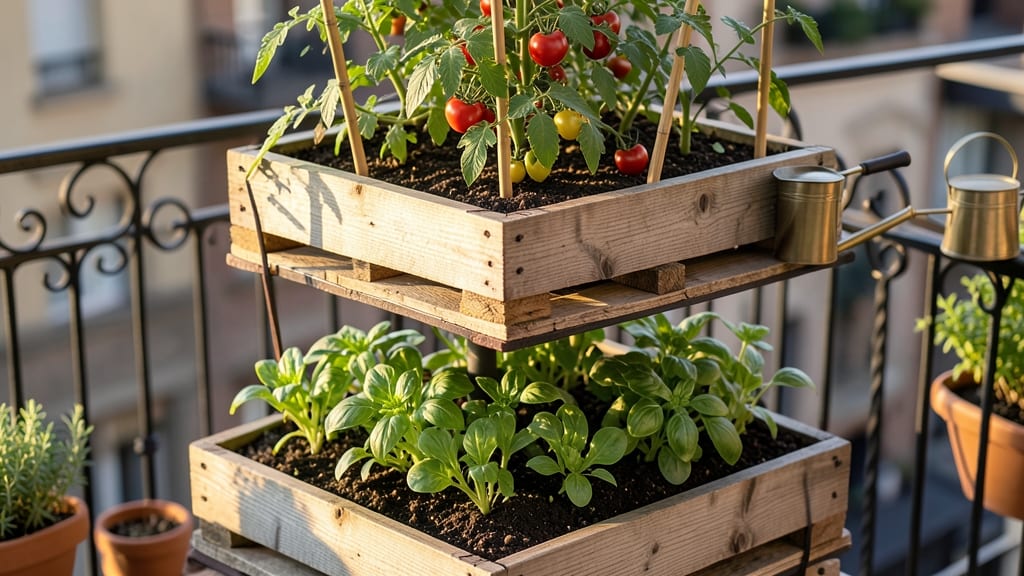
Turn your small balcony or patio into a high-yield vegetable powerhouse with a tiered pallet vegetable tower. This vertical design captures sunlight at multiple angles, ensuring even shade-loving leaves get their share while sun-hungry tomatoes and peppers thrive on upper levels.
Stack two or three pallets with sturdy brackets, filling each layer with well-draining soil and your favorite warm-season crops. The top tier gets the most light for peppers and eggplants, while mid and lower levels work perfectly for bush beans and lettuce. Add trellises to the sides for vining plants like cucumbers or pole beans to maximize space. Rotate the tower weekly to ensure even sun exposure across all plants.
This system is ideal for urban gardeners with limited square footage or anyone wanting to grow more without expanding their garden footprint. With proper care, you’ll harvest twice as much in the same space—no green thumb required! 🌻
Pallet Strawberry Planter Box
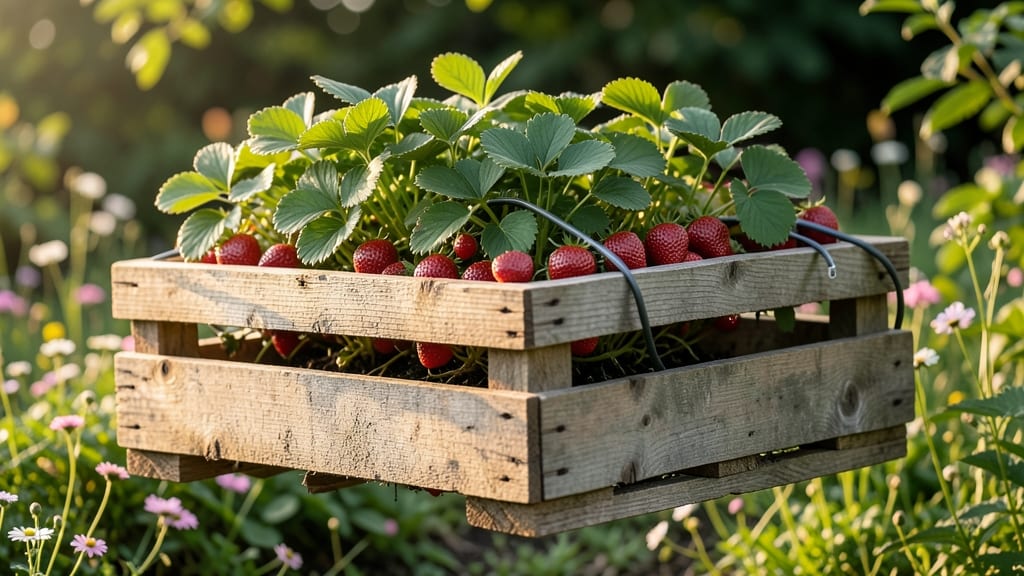
Tired of strawberries getting lost in the dirt or struggling with soil splashing during watering? A pallet strawberry planter box solves both problems while giving your berries the perfect growing environment. The elevated design keeps fruits clean and accessible, and the natural wood acts like a built-in insulator to protect roots from scorching summer heat.
Start by lining the pallet with landscape fabric to prevent soil erosion through the gaps, then fill with a mix of well-draining potting soil and compost. Plant June-bearing or everbearing strawberries in early spring, spacing them 12 inches apart. The pallet’s height also makes harvesting a breeze—no more bending over for ripe berries! For extra protection, add a lightweight row cover during flowering to deter pests while maintaining airflow.
This design is perfect for gardeners with limited ground space or those who want to avoid soil-borne diseases. Plus, the rustic charm of the pallet adds a charming, low-maintenance aesthetic to any garden. 🌻
Hanging Pallet Succulent Wall
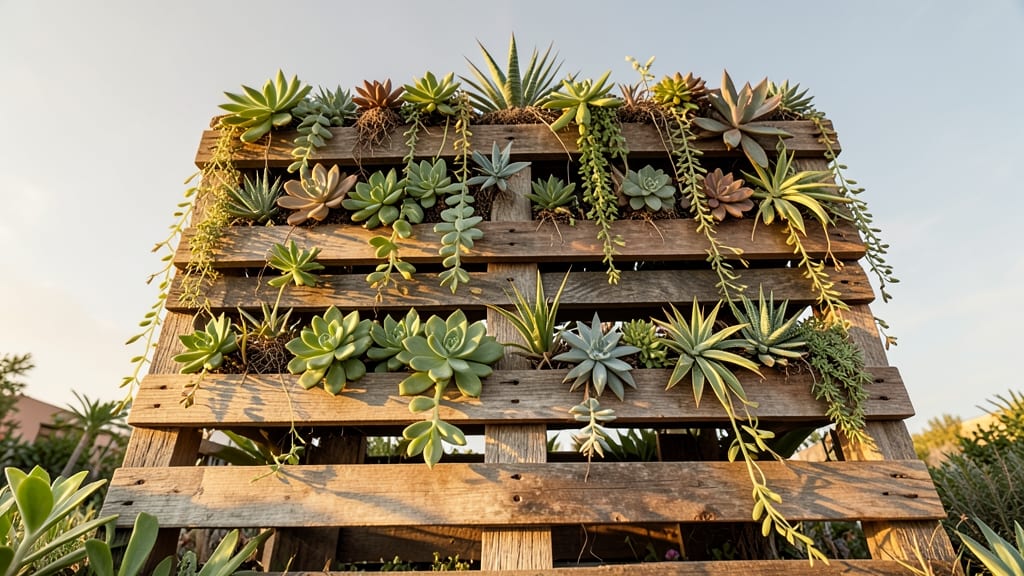
Turn your sun-drenched patio into a low-maintenance oasis with a hanging pallet succulent wall—where drought-tolerant plants thrive without the fuss. This vertical design transforms a simple pallet into a living art piece, perfect for gardeners who love bold textures and minimal upkeep.
Start by securing a weathered pallet to a sturdy hook or bracket, ensuring it hangs at least 12 inches off the ground for airflow. Fill the gaps with a cactus/succulent mix (add perlite for drainage) and nestle plants like echeveria, sedum, or haworthia into crevices. Water deeply but infrequently—once every 2-3 weeks in summer—since succulents store moisture in their leaves. The pallet’s natural wood adds rustic charm while keeping roots cool.
This project is ideal for urban gardeners with limited space or anyone craving a year-round pop of color. Plus, the vertical format maximizes sunlight exposure, ensuring your succulents stay happy and healthy with almost no effort. 🌻
Pallet Compost Tea Brewer
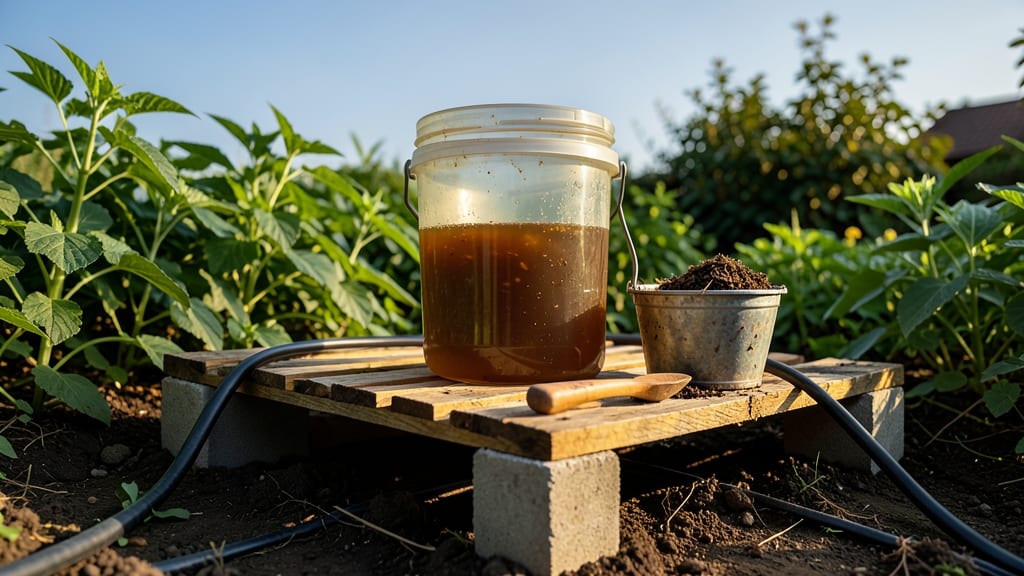
Give your garden a nutrient boost without breaking the bank by turning a simple pallet into a compost tea brewer. This clever system brews liquid gold from compost, delivering a concentrated dose of microbial life and organic nutrients directly to your plants' roots through irrigation.
Start by drilling holes in the pallet's base for drainage, then line it with a breathable landscape fabric. Fill with a mix of finished compost and water, using a ratio of 1:5 compost to water. After 24-48 hours of steeping, strain the tea through a fine mesh bag and dilute it to a tea-colored liquid before applying to your garden. For best results, use it as a foliar spray or drip irrigation supplement every 2-4 weeks during growing season.
This DIY system is perfect for organic gardeners and those looking to reduce fertilizer costs while improving soil health. Your plants will thank you with stronger growth and vibrant blooms! 💚
Pallet Mushroom Grow Kit
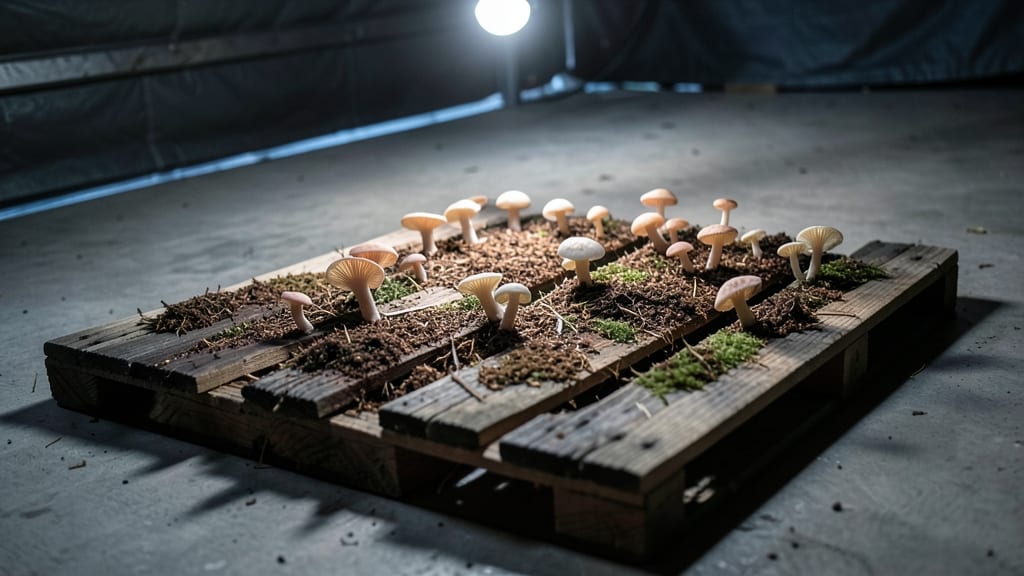
Skip the bright sunlight and crowded garden beds—your next harvest could be growing in the shade with a pallet mushroom grow kit. This innovative setup turns discarded pallet wood into a nutrient-rich substrate for oyster mushrooms, thriving in dimly lit basements, garages, or covered porches where traditional plants struggle.
Start by breaking pallet wood into 2-inch cubes and soaking them in hot water for 12 hours to sterilize. Then inoculate with oyster mushroom spawn and maintain 70-80% humidity using a misting bottle or humidifier. Keep temperatures between 65-75°F and avoid direct light—mushrooms grow best in indirect or artificial light. Harvest in just 2-3 weeks by gently twisting clusters from the wood.
This project is perfect for urban gardeners, homesteaders, or anyone looking to grow food without sunlight. Plus, the process repurposes wood that would otherwise go to waste—sustainable and satisfying! 🌟
Pallet Root Vegetable Cradle
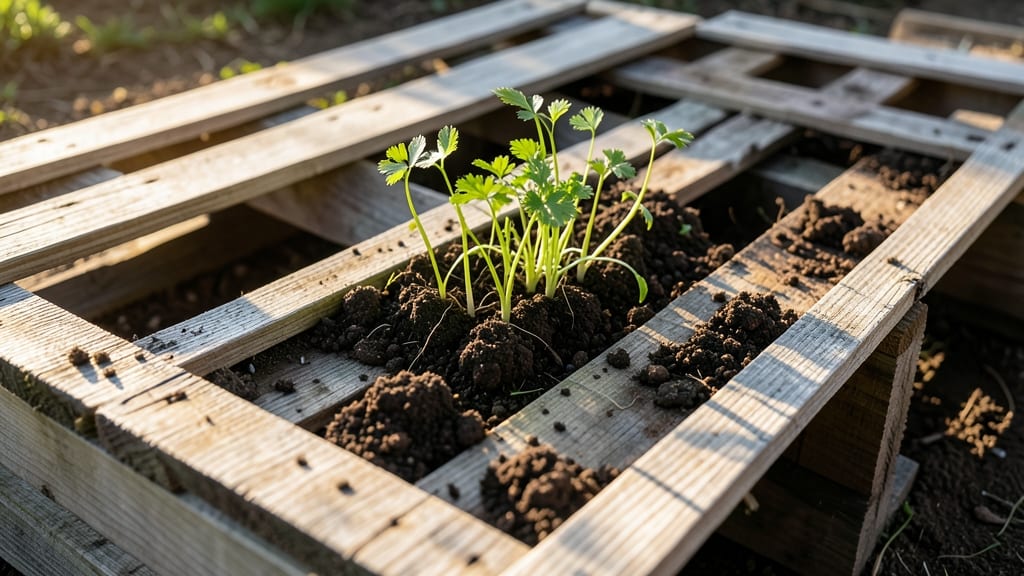
Say goodbye to gnarled, forked carrots and beets—a pallet root vegetable cradle gives these crops the loose, deep soil they crave while saving your back from bending. The pallet’s natural gaps create pockets of airy soil that prevent root deformation, ensuring perfectly shaped harvests every time.
Start by cutting the pallet in half lengthwise to create a deep, U-shaped bed. Line the bottom with hardware cloth to deter burrowing pests, then fill with a mix of compost-rich soil and coarse sand for drainage. Plant seeds directly into the gaps, spacing them 2-3 inches apart for optimal growth. The elevated design also makes weeding and harvesting effortless—no more wrestling with muddy soil or aching knees.
This setup is perfect for gardeners with heavy clay soil or limited space, delivering bumper crops of root vegetables with minimal fuss. Plus, the rustic charm of the pallet adds character to any garden layout. 🌱
Pallet Aquaponic System
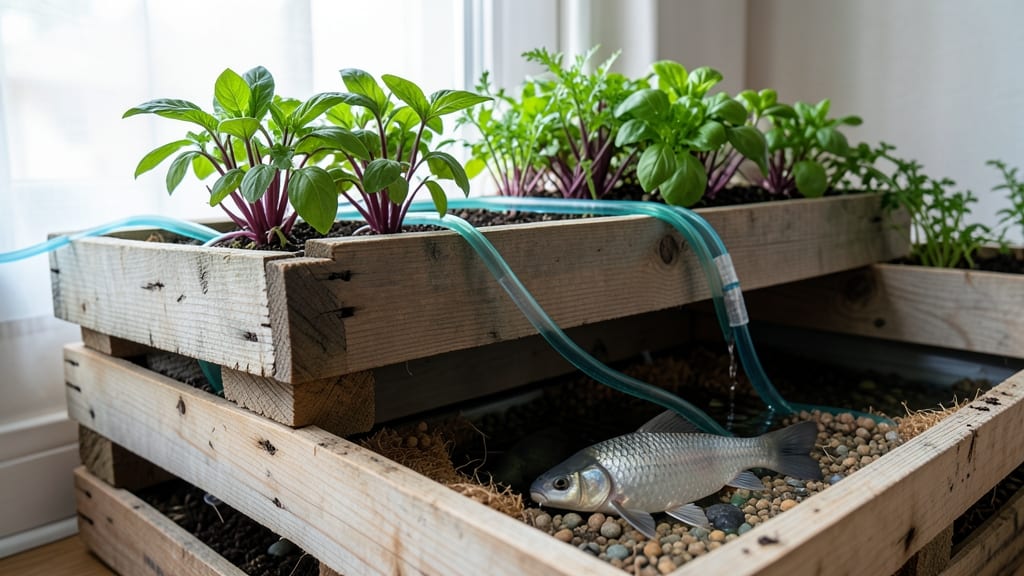
Turn your small urban space into a self-sustaining food factory with a pallet aquaponic system—where fish and plants grow together in perfect harmony. This innovative setup recycles fish waste into natural fertilizer, eliminating the need for synthetic nutrients while producing fresh leafy greens like lettuce, spinach, and basil year-round.
Start by converting a sturdy pallet into a two-tiered system: the lower level holds a fish tank (tilapia or goldfish work well), while the upper layer supports hydroponic grow beds. Use a water pump to circulate nutrient-rich water from the fish tank to the plants, then let it drain back down—nature’s own closed-loop system. Place your setup near a sunny window or under grow lights for optimal growth, and harvest greens every 3-4 weeks for a continuous supply.
This project is perfect for urban homesteaders, apartment dwellers, or anyone eager to reduce their environmental footprint while enjoying fresh, homegrown food. 💚
Pallet Seed Starting Station

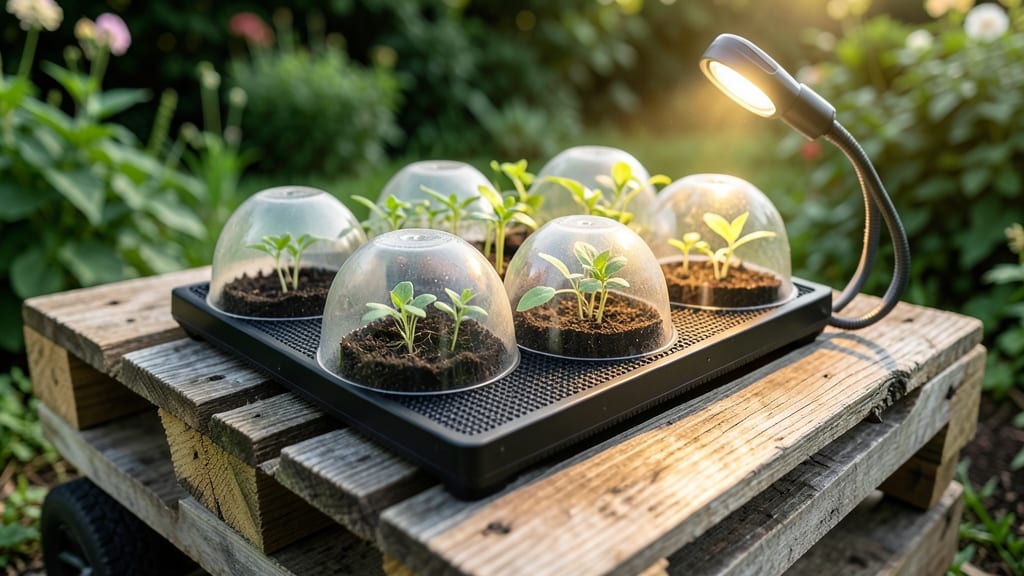
Skip the guesswork of seed starting with a pallet seed starting station that gives seedlings the perfect head start. This mobile setup combines a heat mat for warmth, clear plastic domes for humidity, and easy access to grow lights—all while letting you roll it to the sunniest spot in your garden as seedlings grow.
Start by lining the pallet with landscape fabric to prevent soil spillage, then add a seed-starting mix and arrange trays on top. Place a heat mat underneath (set to 70-75°F) and cover with plastic domes to maintain moisture. For extra convenience, add wheels or casters to the bottom so you can move the entire station outdoors once seedlings sprout, giving them gradual sunlight exposure to prevent shock. This system works for everything from tomatoes and peppers to delicate herbs like parsley.
Perfect for gardeners who want to start seeds early but lack a greenhouse, this setup gives you control over temperature and light while saving space. No more crowded windowsills or uneven germination—just healthy, robust seedlings ready for transplanting. 💡