
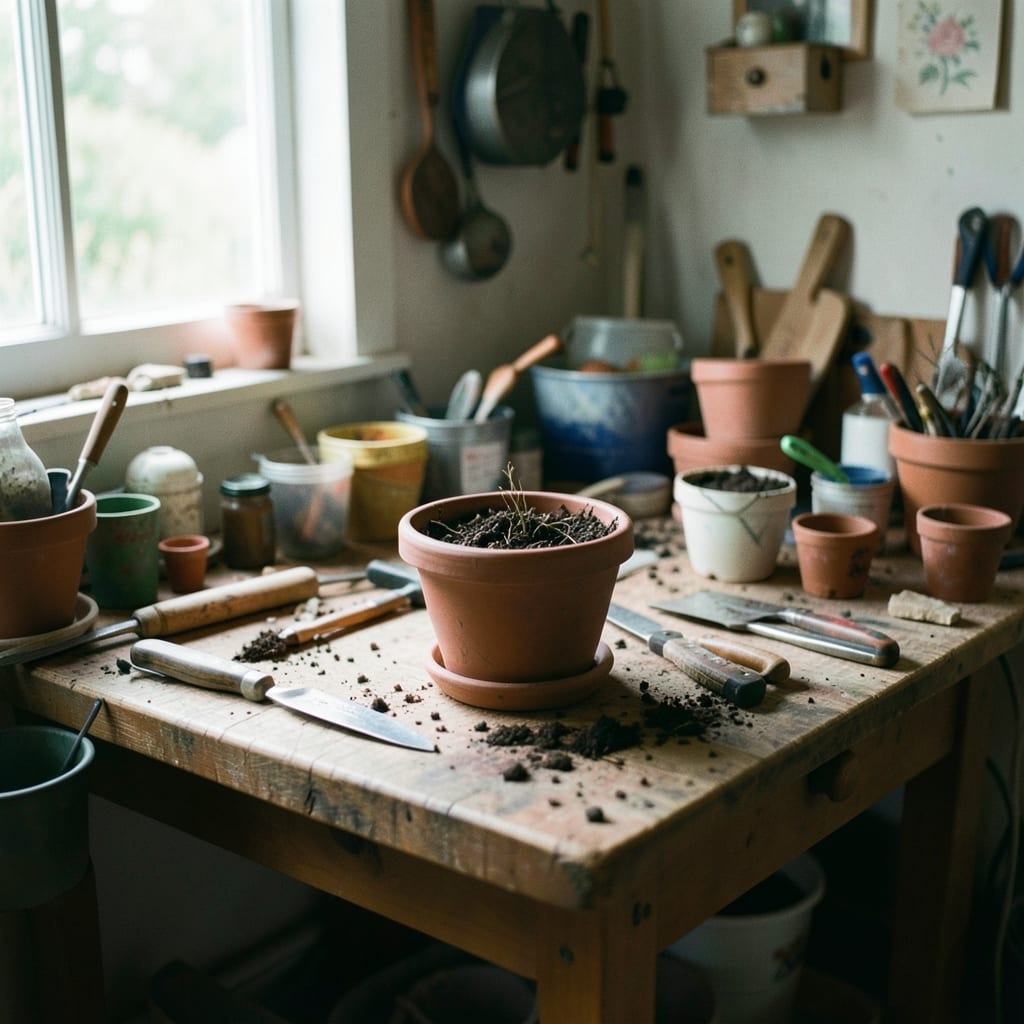
Welcome to Garden Beds
You’ve picked up a guide on growing tomatoes, only to find the advice doesn’t fit your climate—or your soil—or the way your afternoon sun actually behaves.
The charts say ‘plant in spring,’ but your last frost was in April, not March, and now the seedlings are bolting before they even get a chance to set fruit.
Gardening isn’t a one-size-fits-all puzzle, and the internet’s answers often ignore the real variables: the weight of your shovel, the pH of your rainwater, the way your neighbor’s oak tree steals light by 3 p.m.
This site is for the growers who notice those details—the ones who’ve lost a crop to overwatering, or spent a summer wrestling with weeds that no guide ever warned about. Here, we start with your conditions, not a textbook.
Every tip, every plant profile, and every troubleshooting guide is built on what actually works in backyards, not just greenhouses. No vague ‘sunny spot’ advice. No ‘add compost’ without telling you how much. Just the fixes that matter.
Our story
The first time Horace Calderon tried to grow a pumpkin big enough to sit in, it rotted on the vine by August. His grandma’s garden—where the zucchini outgrew the rows and the tomatoes fell apart if you looked at them wrong—had rules that didn’t translate to his urban lot.
The soil was too dense, the watering can too small, and the ‘full sun’ spot turned out to be a fight with the apartment complex’s AC units.
He spent that summer taking notes: how deep to dig, when to stake, why his basil bolted the second it got hotter than 75°F. The next year, he planted the same things—and none of them died. Not all of them, anyway.
The site started as a shared Google Doc where Horace pasted his corrections to half-baked advice he’d found online. A friend with a greenhouse in Michigan added her notes on frost dates. Another grower in Arizona chimed in about cactus soil.
What began as a joke (‘Let’s fact-check the internet’) turned into a list of exceptions: the plants that *shouldn’t* be pruned, the weeds that mean your soil is actually healthy, the times when ‘organic’ doesn’t matter.
By the third year, the Doc had outgrown its tabs, and the first draft of *Garden Beds* went live at 3:17 a.m., after Horace had finally given up on fixing a drip irrigation system that kept clogging.
The breaking point came on a Tuesday in June, during a heatwave. A reader emailed to say their peppers had turned bitter—an issue Horace had dealt with the week before, when his own plants had curled up like old leaves.
He replied with a step-by-step fix (flush the soil, wait three days, replant). That reply got shared in a gardening forum. Then another reader asked about the same problem in July.
Horace realized no one was writing about the *real* gardening: the mid-summer rescues, the soil tests that saved a season, the tools that actually hold up. So he stopped writing about *what* to plant and started writing about *how* to keep it alive.
What we stand for
This site exists to cut through the gardening myths that waste time, money, and plants.
We believe the most useful advice comes from people who’ve buried a shovel in their own backyard—who know the difference between ‘morning sun’ and ‘dappled shade,’ who’ve watched a seedling wilt because the pot had no drainage, and who’ve celebrated when it finally thrived.
Our work is built on three principles: start with your conditions, not a rulebook; fix the problem before it gets worse; and never treat gardening like a science experiment unless you’re okay with losing a few plants along the way.
What you will always get here
- Advice tied to your climate, soil, and tools—not just ‘best practices’ from a perfect garden.
- Warnings about what *won’t* work in your situation (and why).
- Step-by-step fixes for common failures (wilting, pests, stunted growth) before you Google them.
- No fluff. Every paragraph either teaches you something or saves you a mistake.
Meet the team

The people behind *Garden Beds* are growers who’ve spent years learning the hard way—which plants to trust, which tools to avoid, and how to tell when your ‘green thumb’ is just wishful thinking.
They’re not botanists with PhDs; they’re the neighbors who’ve swapped cuttings over fences, the weekend warriors who’ve lost entire beds to deer or drought, and the optimists who replant the same failed experiment every spring just to see if this year will be different.
Their work here is the result of those mistakes, measured in inches of growth (or lack thereof) and the occasional swear word when the weather turns against you.
Horace Calderon
Horace Calderon is the only full-time writer on the site, which means he’s the one who fields the ‘help, my plant is dying’ emails at 2 a.m.
His background is in urban gardening—he turned a 4’x6’ concrete slab into a productive bed using nothing but cardboard, coffee grounds, and sheer stubbornness—and his desk is permanently cluttered with seed packets, a half-empty bottle of hydrogen peroxide (for root rot), and a notepad where he scribbles soil pH levels in pen.
He’s terrible at remembering to water his own herbs, which is why the site’s herb-growing guides include a ‘set a phone reminder’ step he wishes he’d had years ago.
Before *Garden Beds*, Horace ran a small nursery where he learned which seeds lied about their germination rates and which ‘organic’ fertilizers actually burned roots. His first gardening failure—a $20 tomato plant that wilted within days—taught him to check drainage holes first.
His latest obsession is growing peppers in containers, which he documents with the same mix of triumph and frustration that defines the site’s tone.
I still plant things I know will fail—just to see if I can outsmart the problem this time. Last year, it was a ‘dwarf’ sunflower that grew six feet tall. This year, I’m betting on a heat-tolerant basil that *actually* stays green after 90°F. The point isn’t to win; it’s to learn why you lost. And if you’re reading this site, you’re already ahead of me.
Horace Calderon
How we create our content
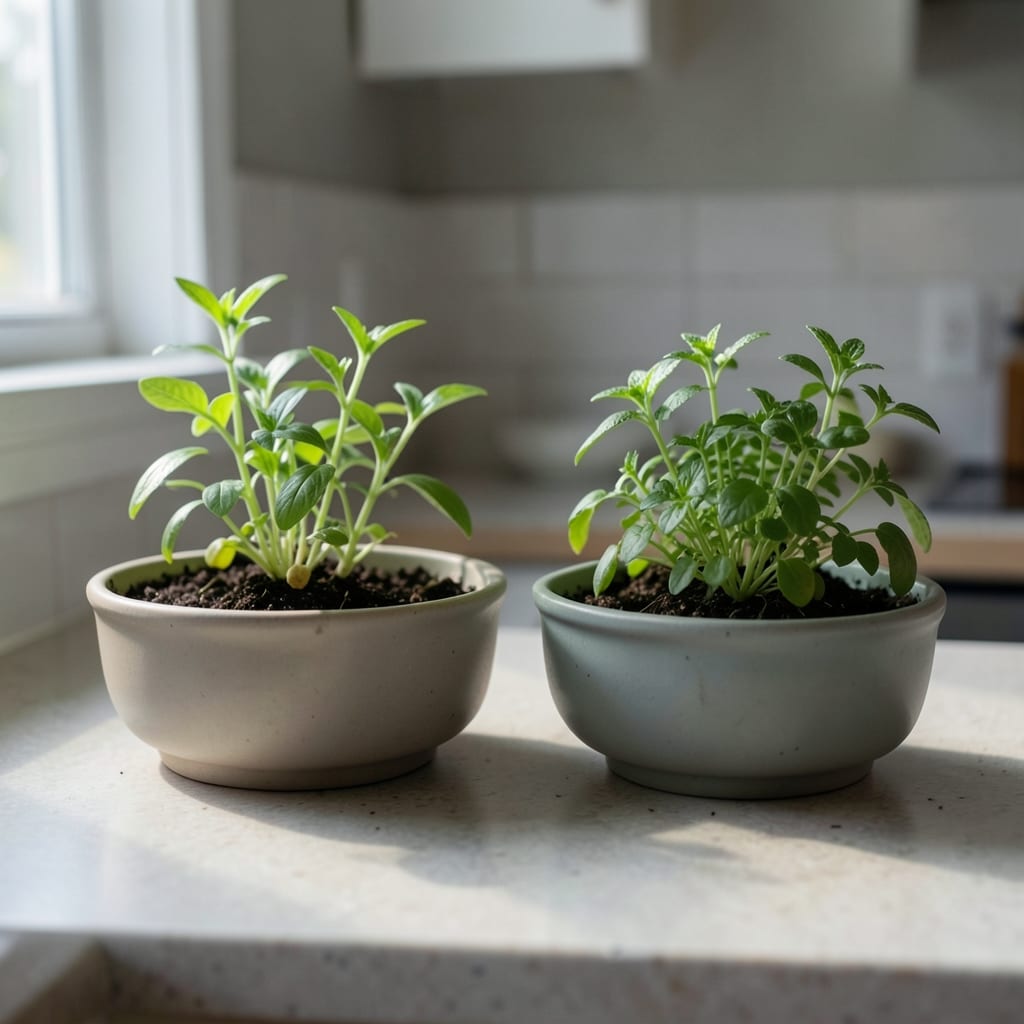
Every piece on *Garden Beds* starts with a real problem: a reader’s email, a gardening forum thread, or Horace’s own mid-season panic when something goes wrong. The process isn’t about research—it’s about testing. If we’re writing about saving a dying tomato plant, we don’t just cite a textbook.
We replant a wilted seedling in a pot with the exact conditions the reader described, then document what fixes it (and what doesn’t). The result isn’t theory; it’s a step-by-step playbook for your specific situation.
The first step: gathering the variables
Before we write a single word, we gather the conditions that matter.
That means knowing your hardiness zone (not just ‘warm’ or ‘cool’), the pH of your soil (measured with a test kit, not guessed), and the exact microclimate of your garden—whether it’s sheltered by a fence, baked by pavement, or shaded by a tree that drops leaves in October.
We ask: What’s the average high in your area during your growing season? How often do you water, and is it from a hose, drip system, or rain barrel? The answers determine whether a ‘general’ tip will work for you—or send you back to square one.
This stage takes the longest. We’ll call readers to confirm details (‘Your ‘morning sun’ spot gets two hours of shade after 10 a.m.?’) or dig through old photos to see how their garden changes with the seasons.
Skipping it means writing advice that sounds right until you’re knee-deep in dead plants. Getting it right means your fixes actually stick.
The second step: testing the fix
Once we know the problem, we test the solution in conditions that match yours.
If you’re growing peppers in a container with no drainage, we won’t tell you to ‘use better soil.’ We’ll show you how to drill holes in the pot, what size they need to be, and which pebbles won’t clog them after a week.
We’ll document the before and after—because a fix that works in a greenhouse might fail in your backyard. And if the solution doesn’t pan out? We’ll say so. The site’s ‘What Didn’t Work’ sections are the most honest part of the process.
This is where the site differs from most gardening advice: we don’t just tell you what to do. We show you what happens when you do it wrong—and how to recognize the signs before your plants pay the price.
It’s the difference between a guide that says ‘prune in spring’ and one that says ‘Your roses are dying because you pruned in *October*, when the buds were already set. Here’s how to check next year.’
Join our community
This site isn’t just a collection of guides—it’s a place where your gardening questions get answers that actually help. If you’re struggling with black spots on your leaves, we’ll tell you whether it’s fungus, pests, or overwatering—and which fix to try first.
If your tomatoes keep cracking, we’ll walk you through the soil moisture test that saves the crop. And if you’ve got a gardening win (that pumpkin finally grew! the weeds stayed down all summer!), we’ll feature your story in the ‘What Worked’ roundup.
The best suggestions get turned into full guides, because someone else is probably asking the same question.
Let's connect
We love hearing about your gardening victories, your stubborn failures, and the plants that refuse to die no matter what you do to them. Send us photos of your weirdest harvests, your soil’s color after a rainstorm, or the pests that outsmarted you.
If you’ve got a gardening problem that’s stumped you for years, tell us about it—the contact page is where the site’s next guide often starts. And if you just want to share your favorite gardening tool (or your least favorite), we’re listening.
This site was built by people who’ve spent too many hours kneeling in the dirt, so we know the questions you’re too embarrassed to ask. No problem is too small, no plant too strange. Let’s grow something together.
The guides are grouped by category: Advice, Aphids, Blooming, Companion Plants, Container Gardens and Diseases.