
Landscaping
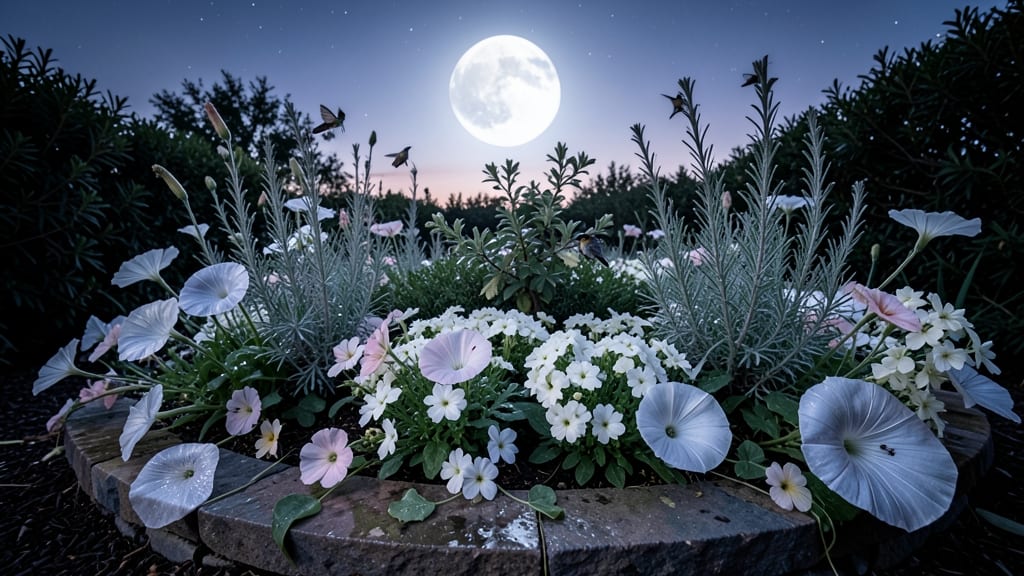
Brighten your outdoor space with these vibrant, pollinator-friendly flower bed designs that thrive in full sun and provide continuous blooms from spring through fall. These creative layouts attract bees, butterflies, and hummingbirds while requiring minimal maintenance—perfect for gardeners of all skill levels.
Layered Pollinator Meadow Border
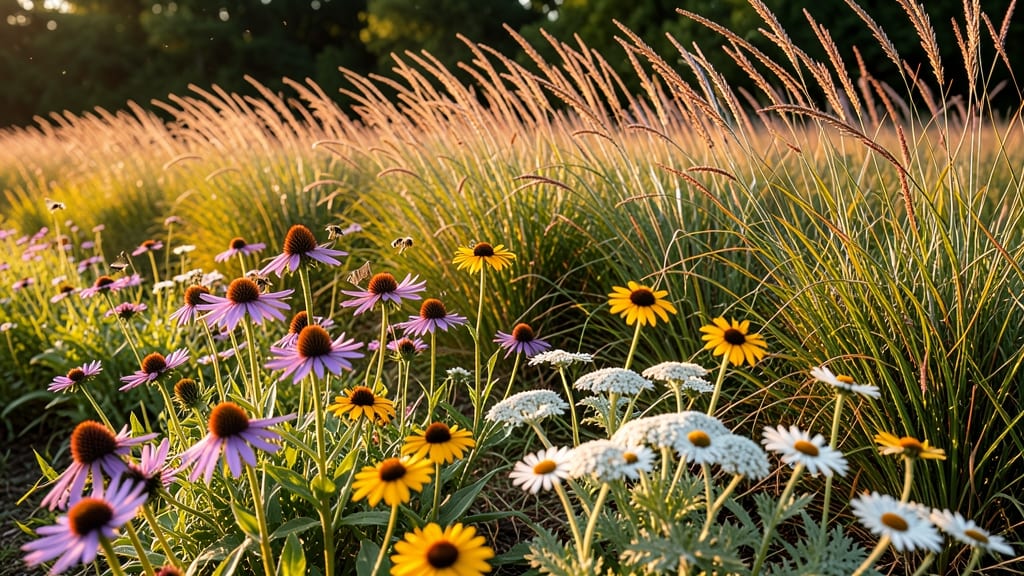
Transform a boring yard edge into a buzzing ecosystem with a layered pollinator meadow border that blends native wildflowers with swaying ornamental grasses. This design thrives in full sun, requires almost no maintenance, and creates a dynamic, textured border that moves with the breeze—perfect for urban yards or large properties with sunny borders.
Start with tall grasses like little bluestem or switchgrass (3-5 feet) as your backdrop, then add mid-height perennials such as purple coneflowers and black-eyed Susans (2-3 feet). Fill the front with low-growing wildflowers like bee balm or coreopsis (under 1 foot). Plant in loose drifts rather than rigid rows to mimic natural meadows, and let the grasses seed naturally to spread over time.
This border supports year-round pollinators, from early spring bees to late-season butterflies, while reducing mowing needs. Urban gardeners will love how it softens hard edges, and large properties gain a wild, natural look without sacrificing structure. 🌻
Butterfly Magnet Cottage Garden
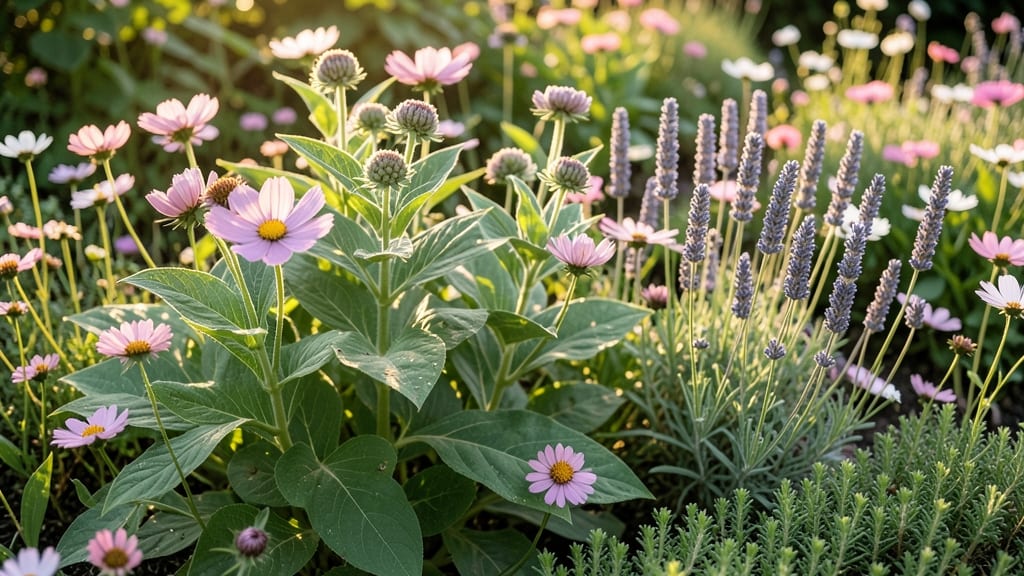
Transform your front yard into a butterfly haven with a cottage-style garden that’s as charming as it is functional. This design blends milkweed (monarch caterpillar food), lavender (fragrant and bee-friendly), and cosmos (self-seeding annuals) for a low-maintenance, high-reward bed that thrives in full sun. The loose, romantic planting style mimics old-world gardens while packing in pollinator power.
Plant milkweed in clusters along the back for height, lavender in the middle for texture and scent, and cosmos at the front for soft, airy blooms. Add bachelor’s buttons and phlox for extra color, and let them spill over slightly for that classic cottage look. Water deeply once a week (less in summer) and deadhead spent blooms to encourage continuous flowering from late spring to fall. This bed works beautifully in raised beds, containers, or in-ground plots, making it adaptable for any sunny spot.
Perfect for small-space gardeners or those who want to add curb appeal with purpose, this design turns your yard into a butterfly buffet while keeping maintenance simple. Watch monarchs and swallowtails flutter through your garden all season long. 🌻
Drought-Tolerant Succulent Flower Mix
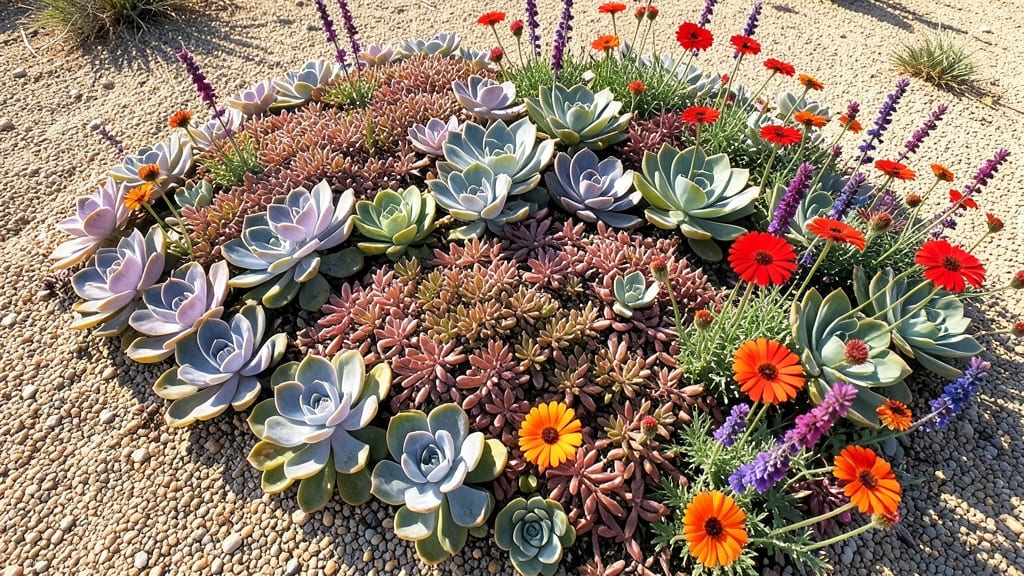
Skip the watering can and still enjoy a vibrant, sun-drenched flower bed with this drought-tolerant succulent mix. Pairing sedum and echeveria with bold annuals like gaillardia and salvia creates a striking, low-water design that thrives in full sun and high heat—ideal for desert landscapes or forgetful gardeners.
Start with a well-draining soil mix (add coarse sand or gravel if needed) and plant sedum and echeveria in geometric patterns for structure. Tuck in gaillardia (red/yellow blooms) and salvia (purple spikes) for pops of color that last all summer. Water once every 2-3 weeks after establishment—these plants store moisture in their leaves, making them nearly indestructible.
This mix is perfect for urban rooftops, modern desert gardens, or fire-prone areas, where water conservation is key. The contrast of succulent textures and bright annuals delivers a high-impact look with minimal effort. 💚
Hummingbird Feeder Flower Bed
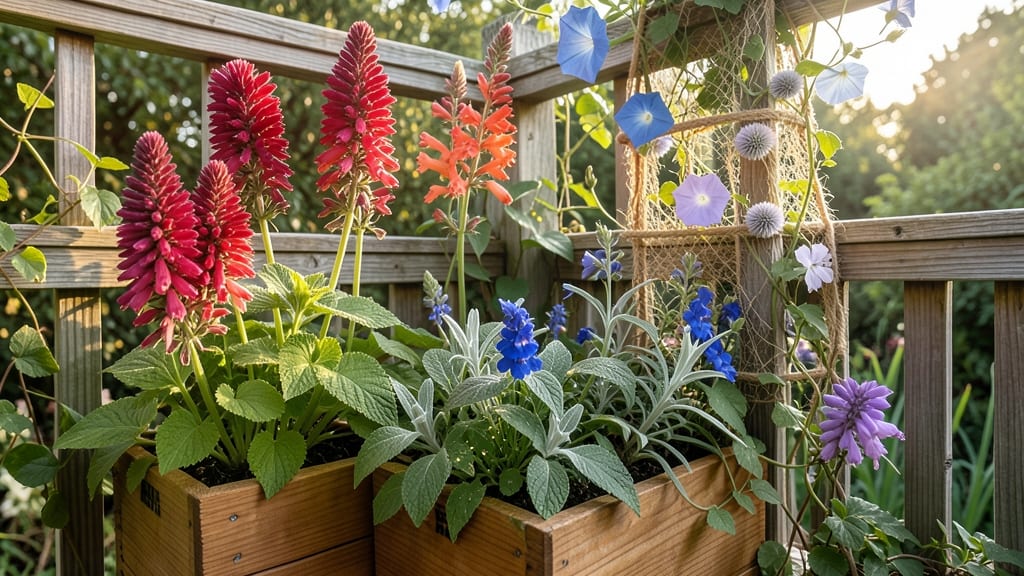
Turn your sunny patio or balcony into a hummingbird hotspot with a vertical and horizontal flower bed designed to mimic a natural feeder. This dynamic design combines tubular blooms like bee balm, fuchsia, and penstemon—all irresistible to hummingbirds—while adding dramatic height and texture to small spaces.
Start by planting tall varieties like penstemon (2-3 feet) at the back, then add mid-height fuchsia (1-2 feet) and bee balm (1-2 feet) in the middle. Tuck in trailing lobelia or calibrachoa at the edges for a cascading effect. Use a mix of annuals and perennials to ensure year-round blooms, and place a shallow water dish nearby for extra appeal. This design thrives in 6+ hours of sun and requires minimal maintenance—just deadhead spent blooms to encourage more flowers.
Perfect for urban gardeners with limited space, this bed transforms walls, trellises, or even hanging planters into a living hummingbird feeder while adding vibrant color and movement. Watch these tiny acrobats dart between blooms all summer long! 🌟
Seasonal Color Wheel Beds
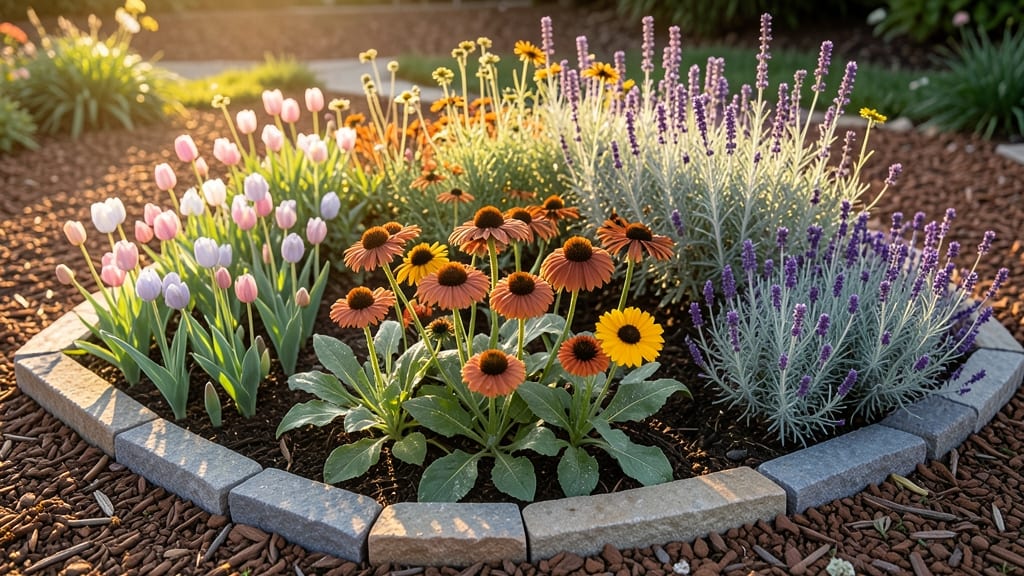
Tired of flower beds that look dull after the first frost? Seasonal color wheel beds solve this by organizing your sunny space into three distinct sections—each dedicated to a color family—so your garden stays vibrant from spring to fall. This clever rotation keeps blooms fresh while requiring minimal replanting.
Start with three separate beds (or sections of one large bed) using these color pairings: cool blues/purples (delphiniums + lavender), warm reds/oranges (salvia + marigolds), and bright yellows/whites (black-eyed Susans + daisies). Plant perennials like daylilies and coneflowers as your base, then tuck in seasonal annuals (e.g., snapdragons in spring, zinnias in summer) to fill gaps. Rotate annuals every 2–3 months to maintain color without replanting perennials.
This system is ideal for urban gardeners with limited space or busy homeowners who want year-round color with less work. Swap out annuals as blooms fade, and your beds will always look intentional and lively. 🌷
Edible Flower Pollinator Garden
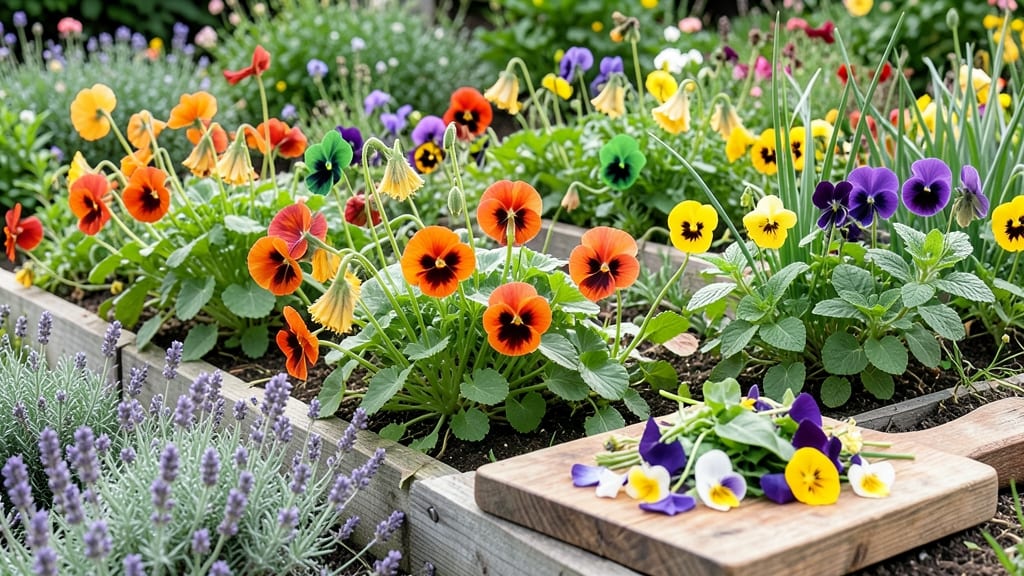
Why settle for just flowers when your garden can be both beautiful and edible? A pollinator-friendly edible flower garden combines the best of both worlds—vibrant blooms that attract bees, butterflies, and hummingbirds while providing fresh, flavorful flowers for salads, teas, and garnishes. This design is perfect for kitchen gardeners or container growers who want to maximize space and harvest.
Start with nasturtiums (peppery, orange blooms) and calendula (citrusy, golden-yellow petals) for easy-to-grow edible stars, then add borage (bee magnet with cucumber-flavored flowers) and violas (delicate, sweet blooms). Pair these with traditional pollinator favorites like bee balm and coneflowers to ensure your garden stays buzzing all season. Plant in well-draining soil with 6+ hours of sun daily, and keep the bed lightly mulched to retain moisture.
This dual-purpose garden is ideal for urban balconies, patio containers, or small kitchen plots, offering both culinary delights and ecological benefits. Plus, kids and pets will love the colorful, safe-to-sniff flowers—just avoid toxic varieties like foxglove! 🌿
Low-Growing Ground Cover Beds
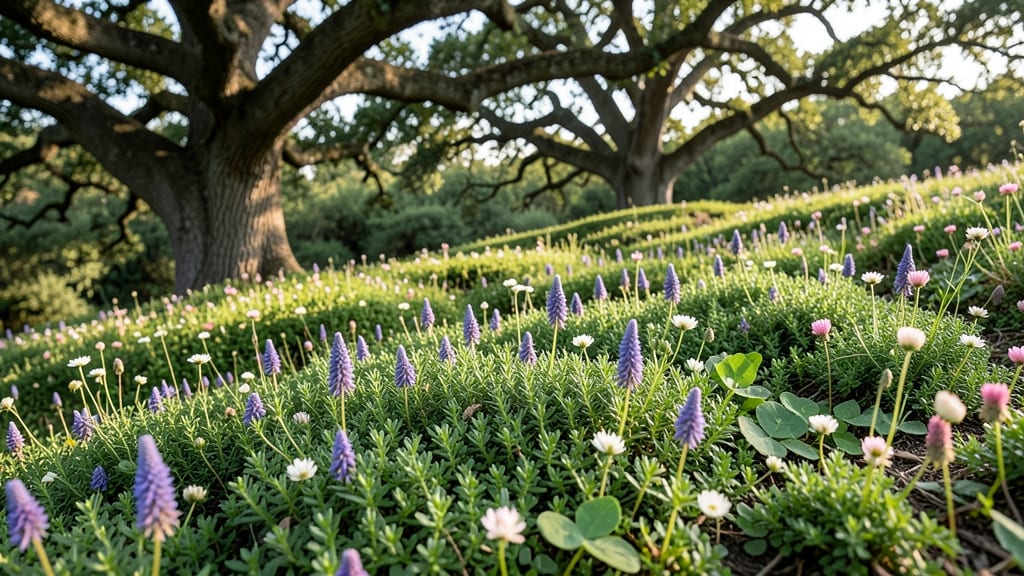
Say goodbye to weedy slopes and bare patches under trees with a low-growing ground cover bed that works as hard as it looks. Instead of mulch, use creeping thyme, ajuga, and clover to create a fragrant, weed-blocking carpet that thrives in full sun to partial shade—perfect for tricky spots where other plants fail.
Plant creeping thyme (pink flowers, drought-resistant) along pathways for a fragrant, erosion-controlling ground cover, ajuga (purple foliage with blue flowers) in shadier areas for texture, and white clover (nitrogen-fixing) to fill gaps while supporting pollinators. These plants spread quickly, smothering weeds naturally and requiring almost no maintenance once established. Water lightly for the first month, then let them thrive on rainfall.
This solution is ideal for slope stabilization, under tree canopies, or between stepping stones, where traditional plants struggle. It’s also perfect for urban gardeners with limited space who want a lush, low-effort solution. 💚
Vertical Pollinator Wall Garden
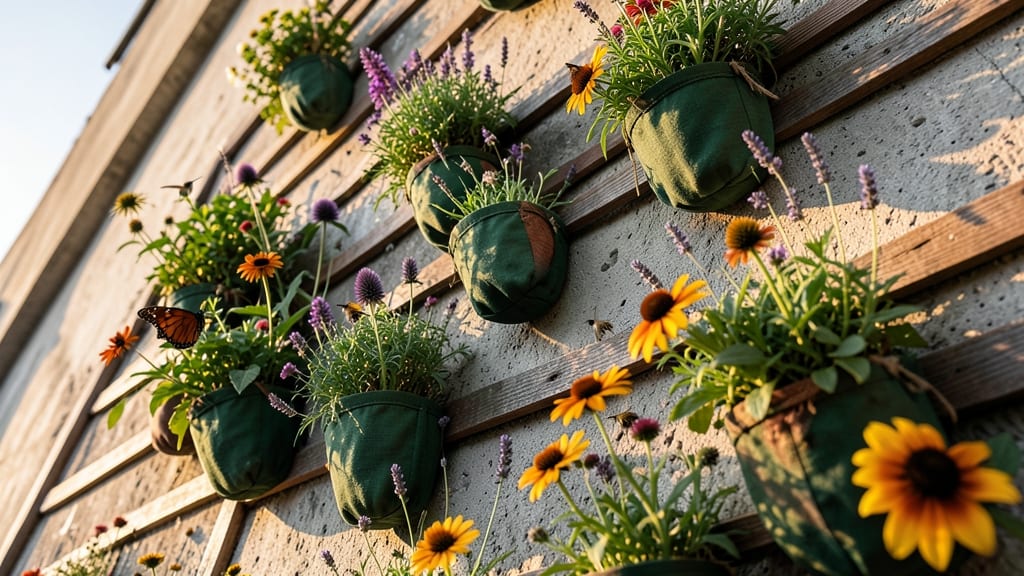
Turn even the most uninspiring urban wall into a buzzing pollinator paradise with a vertical pollinator wall garden. This space-saving design uses trellises, fabric pockets, or hanging planters to create a lush vertical habitat that thrives in full sun while attracting bees, butterflies, and hummingbirds—all without taking up precious ground space.
Start with a sturdy frame covered in moisture-retentive fabric or use pre-made vertical planters. Plant clematis (for height and late-summer blooms), honeysuckle (a hummingbird magnet), and lobelia (for cascading blue flowers that spill over edges). Add salvia or fuchsia for extra nectar variety, and position the wall where it gets at least 6 hours of direct sunlight daily. Water deeply 2-3 times per week until established, then reduce to once weekly—these plants are surprisingly drought-tolerant once rooted.
Ideal for urban balconies, courtyard fences, or blank walls, this garden transforms dead space into a thriving ecosystem. Renters and small-space gardeners will love how it maximizes vertical real estate while supporting local pollinators—no yard required! 🌿
Native Wildflower Drift Planting
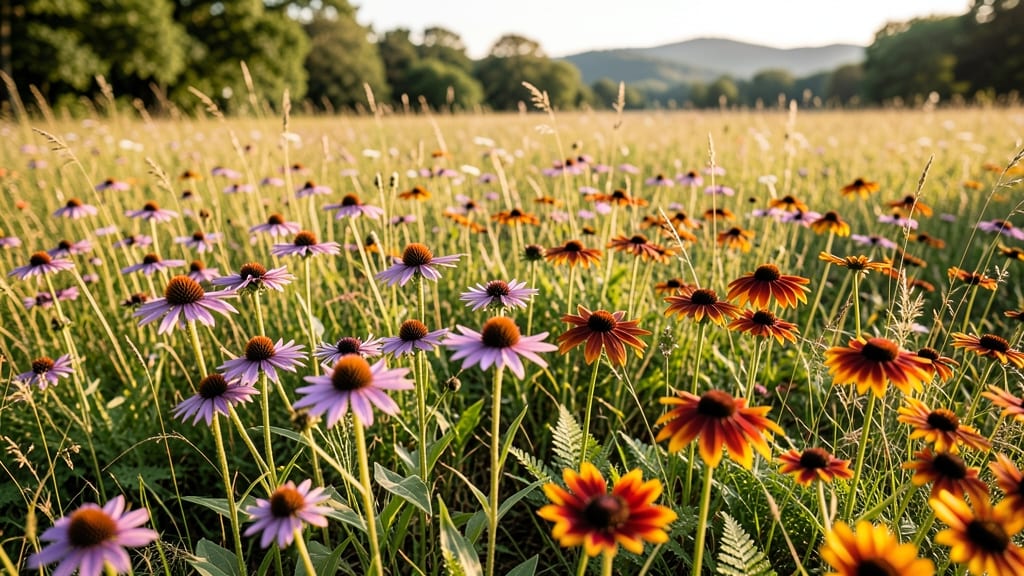
Skip the manicured rows and embrace the wild beauty of a native wildflower drift—a sun-loving garden design that mimics the effortless elegance of a prairie meadow. This low-maintenance approach uses loose clusters of coneflowers, black-eyed Susans, and blanket flowers to create a living tapestry that thrives on neglect while supporting local ecosystems.
Plant seeds or plugs in irregular groupings rather than straight lines, allowing them to spread naturally over time. Choose a mix of heights—tall grasses like little bluestem (3-5 feet) as a backdrop, mid-height perennials like purple coneflowers (2-3 feet), and low-growing wildflowers such as coreopsis (under 1 foot). Water deeply after planting, then let nature take over; these drought-tolerant plants need little care once established.
Perfect for large open spaces, rural properties, or even urban edges, this design eliminates mowing while creating a haven for bees, butterflies, and birds. It’s the ultimate solution for gardeners who want beauty without the upkeep—just sit back and enjoy the show. 🌿
Moon Garden for Evening Pollinators

Extend your garden’s magic into the night with a moon garden designed to glow under the stars and attract nocturnal pollinators like moths and hummingbirds. Unlike daytime flower beds, this design focuses on pale, reflective blooms that open after sunset, creating a serene twilight oasis perfect for summer evenings.
Plant moonflowers (Ipomoea alba) along trellises for their large, fragrant white blooms that unfurl at dusk, evening primrose (Oenothera biennis) for soft pink or yellow flowers that stay open until midnight, and white snapdragons for vertical interest. Add night-scented stocks (Matthiola longipetala) for their intoxicating fragrance after dark. Place your garden near a seating area or path so you can enjoy the show—just be sure to provide shallow water sources for thirsty moths.
This design is ideal for urban gardeners with small patios or romantic gardeners who love evening strolls. The soft lighting and gentle hum of nocturnal visitors create a peaceful retreat that’s as beneficial for wildlife as it is beautiful. 🌿