
Landscaping
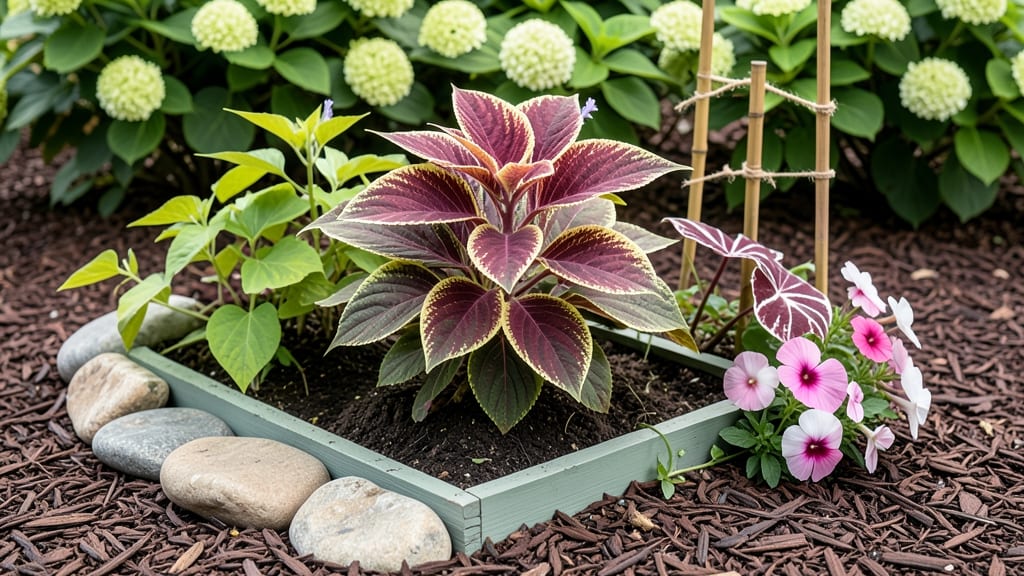
Your flower bed coleus garden design could be the envy of the neighborhood—bold, lush, and effortlessly vibrant even when other plants struggle in partial shade. 🌿 I’ve transformed shady corners into year-round color shows using coleus as the star, and the secret isn’t complicated: it’s all about layered textures, unexpected color blocks, and smart companion plants that keep things thriving from spring to frost.
The magic happens when you pair coleus with plants that love the same conditions—think hostas for softness, ferns for movement, and impatiens for pops of color. A 3-foot-tall coleus like ‘Black Dragon’ can anchor the back, while shorter varieties like ‘Moonlight’ spill over edges.
The key is contrasting leaf shapes: velvety coleus next to spiky hostas or feathery ferns creates instant visual interest. By mid-summer, your bed will burst with jewel-toned foliage that outshines any flower display. The best part?
Coleus keeps its color all season, so you’ll have low-maintenance drama without the fuss of deadheading. Even in winter, the skeletal stems add unexpected structure to the garden. This design works for containers, borders, or full beds—just adjust spacing based on your coleus varieties.
The principles stay the same: height variation, texture play, and shade-loving companions. Let’s make that shady spot shine!
📚 In This Guide
- What you need
- Instructions
- Tips and common mistakes
- Wrapping up and next steps
What you need
- ● Coleus plants (6–12 per square foot, depending on desired density; mix colors for a bold look!)
- ● High-quality potting soil (1–2 bags, moisture-retentive & well-draining)
- ● Organic compost (1 bag, to enrich soil)
- ● Mulch (1–2 bags, shredded bark or pine straw for moisture retention)
- ● Garden gloves (1 pair, for easy handling)
- ● Hand trowel or transplant spade (for digging)
- ● Watering can or hose with a gentle spray nozzle
- ● Pruning shears (for shaping and maintenance)
- ● Slow-release fertilizer (for extra nutrition)
- ● Edging material (stone, metal, or plastic to define beds)
- ● Decorative rocks or pebbles (for a polished finish)
- ● Garden stakes or labels (to track varieties)
- ● Shade cloth (if your area gets intense afternoon sun)
Step-by-step instructions for designing a stunning coleus flower bed
Here's how to create a bold, shade-friendly garden that pops with seasonal color—no green thumb required.
🌿 Step 1: Assess Your Space and Light Conditions
Start by measuring your flower bed dimensions and mapping out sun exposure. Coleus thrives in partial shade (3-6 hours of filtered light daily), so walk through the area at different times to identify sun patterns. Mark the hottest spots—these will need shade protection (like lattice screens) to prevent leaf scorch. I always sketch a rough layout first, noting where existing plants or structures cast shadows.
Test the soil moisture by digging a 2-inch deep hole and checking drainage. If water pools after 30 minutes, amend with 1 inch of coarse sand mixed into the top 6 inches of soil. Coleus roots need oxygen, and soggy soil leads to root rot. This is the moment that matters: proper drainage prevents 90% of common coleus problems.
🎨 Step 2: Plan Your Color Block Layout
Divide your bed into 4-6 color blocks using contrasting hues (think deep purple with chartreuse, or burgundy with lime green). I like to use 12-inch squares for each block—this creates clean lines while allowing plants to fill in naturally. Place taller varieties (like 'Black Dragon' coleus) at the back or center, with shorter types ('Solomon Island Red') along edges.
Space plants 12-18 inches apart—coleus grows bushy but needs airflow to prevent fungal issues. Pro tip: arrange blocks so colors "flow" from one to the next. For example, transition from cool blues to warm oranges in a diagonal pattern. This creates visual movement and makes the bed feel dynamic, not static.
🪴 Step 3: Prepare the Soil and Plant With Precision
Loosen the top 6 inches of soil in each planting hole with a trowel, breaking up any compacted layers. Mix in 1 cup of compost per square foot to boost nutrients—coleus is a heavy feeder and rewards rich soil with vibrant foliage. I always add a handful of perlite to improve drainage in heavier soils.
Remove plants from pots and tease apart roots gently if crowded. Plant at the same depth as their container, pressing soil firmly around the base to eliminate air pockets. Water deeply right after planting to settle roots. Here's the thing—if leaves wilt slightly, don't panic. Coleus often drops a few leaves during transplant shock but recovers within a week.
☀️ Step 4: Mulch and Protect for Long-Term Vibrancy
Spread 2-3 inches of shredded bark mulch over the bed, keeping it 2 inches away from stems to prevent rot. Mulch locks in moisture (critical for shade-loving plants) and suppresses weeds. I use dark brown mulch to complement the bold foliage colors—it makes the bed look finished immediately.
Install drip irrigation or soaker hoses along the bed edges for even watering. Coleus needs 1-1.5 inches of water weekly, but never let soil dry out completely. Test moisture by sticking your finger 1 inch deep—if it feels dry, water lightly. Overhead watering can cause leaf spots, so avoid sprinklers. This prevents the most common mistake: underwatering during hot spells.
✂️ Step 5: Maintain Color and Shape Through the Season
Pinch back leggy stems by one-third when plants reach 6 inches tall to encourage bushier growth. I do this every 4-6 weeks during the growing season. Deadhead spent flowers (yes, even on foliage plants—they sap energy) and trim ragged edges with clean shears. This keeps your design crisp and prevents the bed from looking unkempt.
Fertilize monthly with a balanced liquid fertilizer (10-10-10) diluted to half-strength. Coleus responds dramatically to feeding, especially in containers or poor soil. Watch for yellowing leaves—this usually means it's time to feed again. In late summer, reduce watering slightly to harden off plants for fall. Here's what I do: taper back to 1 inch of water weekly and stop fertilizing after Labor Day to prepare for dormancy.
Tips & tricks for creating stunning coleus color blocks
A few strategic moves will transform your coleus garden from ordinary to showstopping. These are the details that separate a good design from a breathtaking one.
Light Assessment: That 3-6 hours of partial shade is non-negotiable for vibrant coleus. I've learned this the hard way—after planting in full sun, my 'Fireworks' variety turned crispy within days. Walk your space at different times to catch those sneaky sun patterns. If you see hotspots, install shade cloth (30-50% coverage) for the first few weeks until plants establish roots. This prevents the most common mistake: leaf scorch that ruins your color blocks before they even begin.
Color Theory in Practice: When planning your 4-6 color blocks, think about color temperature transitions. I pair cool tones like 'Blue Mist' with warm 'Sunset Glow' in diagonal patterns—this creates visual movement that draws the eye. For maximum impact, use the 60-30-10 rule: 60% dominant color, 30% secondary, and 10% accent. This creates balance while keeping the design dynamic. The 12-inch squares give you perfect proportions without looking too geometric.
Soil Prep Secret: That 1 cup of compost per square foot is just the beginning. For heavy clay soils, I mix in an extra handful of perlite to create tiny air pockets—coleus roots need oxygen more than anything. Here's what nobody tells you: if your soil drains too fast (sandy soils), add a bit of peat moss to retain moisture without suffocating roots. Test your drainage by digging that 2-inch hole and timing how quickly water drains—if it takes longer than 30 minutes, you're golden.
Maintenance Hack: The monthly 10-10-10 fertilizer feeding works wonders, but here's my pro trick: alternate with a fish emulsion every third month. Coleus respond dramatically to organic nutrients, and the extra nitrogen keeps those vibrant colors popping. When you see yellowing leaves between feedings, that's your plant telling you it's hungry—don't wait until it's too late to respond.
Pro Tips for Flower Bed Coleus Garden Design
- A few strategic moves will transform your coleus garden from ordinary to showstopping.
- Light Assessment: That 3-6 hours of partial shade is non-negotiable for vibrant coleus.
- Color Theory in Practice: When planning your 4-6 color blocks, think about color temperature transitions.
Frequently asked questions
Got questions about designing a stunning flower bed with coleus? You’re not alone!
Here are answers to the most common queries to help you create a thriving, shade-loving garden with bold colors and easy care.
Can coleus survive in full sun?
While coleus thrives in partial shade (2–6 hours of sunlight daily), it can tolerate morning sun in hotter climates. Avoid harsh afternoon rays—leaves may scorch or bleach out. If your garden has no shade, opt for sun-tolerant varieties like 'Scarlet Wonder' or 'Wine and Roses'.
How often should I water my coleus flower bed?
Coleus loves consistent moisture but hates soggy roots. Water 1–2 inches per week, adjusting for heat or dry spells. Mulch with shredded bark to retain humidity. Pro tip: Check soil moisture by sticking your finger 1 inch deep—if it’s dry, it’s time to water!
What plants pair well with coleus in a shade garden?
Coleus plays nicely with low-light companions like:
- Ferns (e.g., maidenhair or Boston fern) for texture
- Impatiens for cascading color
- Heuchera (coral bells) for leafy contrast
- Caladiums for tropical flair
Why are my coleus leaves turning yellow or brown?
Yellowing often signals overwatering or poor drainage, while brown edges may mean underwatering or sunburn. Check for:
- Root rot: Ensure pots/beds have drainage holes.
- Pests: Inspect for spider mites or aphids (spray with neem oil if needed).
- Nutrient deficiency: Feed with a balanced liquid fertilizer every 4–6 weeks.
Do I need to winterize coleus in cold climates?
Coleus is tender perennials—they’ll die back in frost. In zones 8–10, mulch heavily to protect roots. For colder areas, dig up tubers or cut back plants, then replant next spring. Pro tip: Take stem cuttings indoors to propagate for next year’s garden!
Wrapping up and next steps
Designing a flower bed with coleus is all about embracing bold colors, low maintenance, and the joy of shade-friendly gardening! 🌿 These versatile plants bring life to partial-shade spots, creating stunning color blocks that evolve with the seasons.
Whether you’re a seasoned gardener or just starting out, your coleus garden will reward you with year-round vibrancy—just remember to prioritize well-draining soil and consistent moisture for the best results.
Ready to transform your space? Grab your gardening gloves and start small—pick a sunny corner, sketch a simple layout, and let your creativity bloom! Need inspiration? Browse Pinterest for coleus color palettes or visit local nurseries to find the perfect varieties for your garden’s personality.