
Container Gardens
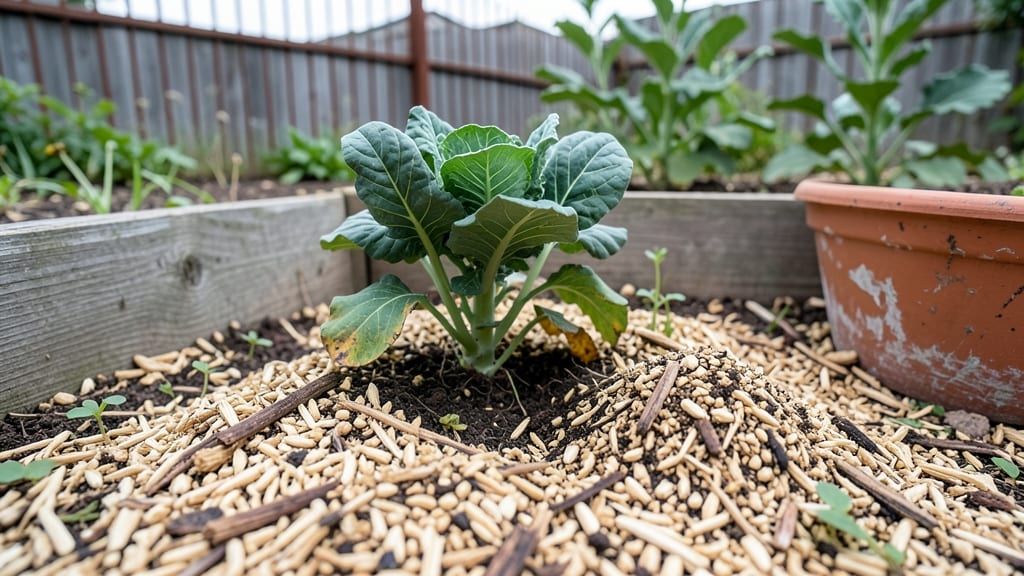
Incorporating sawdust in garden beds enhances soil structure by improving moisture retention, inhibiting weed growth, and introducing organic matter that decomposes slowly to nourish plants. This approach works exceptionally well for acid-loving plants like blueberries and azaleas, though it requires careful balance to prevent nitrogen depletion.
Sawdust acts like a slow-release fertilizer because its cellulose and lignin break down gradually, releasing nutrients over time. 🌱 The key is using it in moderation—too much can create an anaerobic environment that suffocates roots.
I’ve found hardwood sawdust (like oak) works better than softwood (like pine) for most plants, as it’s less acidic and won’t alter soil pH as drastically. For container gardens, mix it with compost at a 1:3 ratio to maintain proper aeration while preventing compaction.
This method isn’t just about soil health—it also reduces watering frequency by up to 30% in dry climates. The best time to apply sawdust is in early spring or late fall, when plants aren’t actively growing.
Just avoid using it near freshly planted seeds or nitrogen-dependent crops like corn, where it could stunt early growth.
💡 In This Article
- How Sawdust Amends Soil Chemistry and Texture
- Best Practices for Applying Sawdust in Garden Beds
How sawdust amends soil chemistry and texture
Sawdust transforms garden soil through its unique chemical composition, primarily made up of cellulose (40-50%) and lignin (20-30%), both of which decompose at vastly different rates. Cellulose breaks down relatively quickly, releasing simple sugars that feed beneficial microbes, while lignin—nature's glue holding plant fibers together—takes years to decompose completely.
This slow-release process creates a sponge-like structure that holds 30-50% more moisture than regular soil, reducing evaporation by up to 40% in dry conditions.
The real magic happens with soil pH. Hardwood sawdust (oak, maple) has a near-neutral pH of 6.0-7.0, making it ideal for most garden plants. Softwood sawdust (pine, cedar), however, contains natural resins that lower pH to 4.5-5.5, creating an acidic environment perfect for blueberries or rhododendrons.
What's fascinating is how this acidification occurs: microbial activity during decomposition produces organic acids that gradually lower the soil's pH over 6-12 months. 🌿 This gradual change is why sawdust works better than sudden pH amendments like sulfur.
Texture improvements come from sawdust's fibrous nature. When mixed into soil, the particles create tiny air pockets that improve aeration while preventing compaction—a common problem in clay-heavy soils. Studies show sawdust-amended soil maintains 20-30% better porosity than untreated soil, which is crucial for root development.
The key is using fresh, untreated sawdust (no chemical treatments) that hasn't begun decomposing, as partially broken-down particles create a dense mat that suffocates roots.
Here's where wood type makes a difference: hardwood sawdust adds carbon-rich organic matter that improves soil structure without altering pH significantly, while softwood sawdust introduces more nitrogen-demand as it decomposes. This is why gardeners often mix sawdust with nitrogen-rich materials like manure or compost to balance the microbial activity.
The decomposition process also releases beneficial compounds like phenolics that act as natural weed suppressants by inhibiting seed germination.
Consider this visual comparison: a soil sample with 2 inches of sawdust will hold water like a damp sponge, while pure garden soil dries out like a cracked riverbed. The moisture retention works because sawdust particles create capillary action—water molecules cling to the fibrous surfaces rather than evaporating quickly.
This is particularly valuable in container gardens where water drains rapidly. For best results, apply sawdust in 1-inch layers and water thoroughly to activate its moisture-holding properties.
What most gardeners don't realize is how sawdust affects soil biology. The cellulose-lignin mix creates microhabitats for beneficial fungi and bacteria that break down the material, releasing nutrients like potassium and phosphorus over time.
This microbial activity also produces humus-like substances that improve soil aggregation—clumping particles together to create stable crumbs. The result is soil that resembles forest floor humus, with excellent water retention and nutrient availability. 🌱