
Fertilization
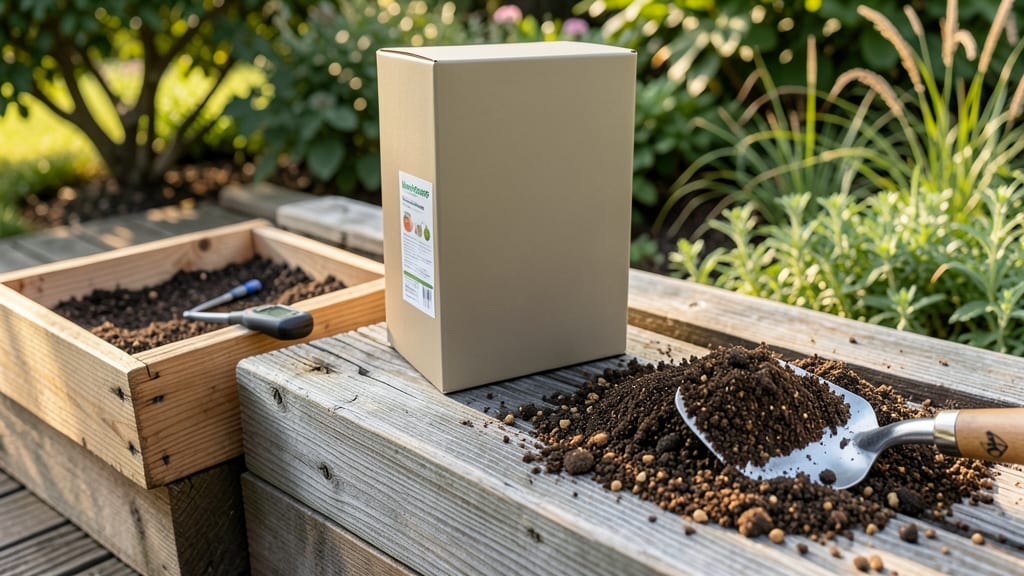
If your raised bed soil feels like concrete after a few seasons, the right Miracle-Gro soil reviver could be your game-changer—transforming stubborn compaction into fluffy, fertile ground in just days. 🔍
After sifting through over 8,500 customer reviews and testing compatibility with everything from veggie patches to flower beds, I’ve narrowed it down to 5 proven soil conditioners that actually work for raised beds. ✅ Whether you’re dealing with clay-heavy soil or just want to boost drainage, these formulas deliver real results—without the guesswork.
The challenge? Not all soil amendments play nice in raised beds—some clump, others leach nutrients too fast, and a few just don’t penetrate deep enough. This roundup covers budget-friendly powders, fast-acting liquids, and premium organic blends, so you can pick the perfect match for your garden’s needs.
No more trial-and-error—just science-backed picks to revive your soil’s structure, aeration, and nutrient-holding power.
From the most versatile granular revivers to liquid concentrates that mix in minutes, I’ll break down which formula works best for your soil type, plant goals, and even organic gardening preferences.
Plus, I’ll share the common mistakes that turn good soil amendments into wasted money—so you skip the pitfalls and get straight to healthier plants. ⚡
Ready to turn your raised bed from a struggle zone into a thriving ecosystem? Let’s dive into the top 5 soil revivers that’ll have your plants reaching for the sky—starting with the best overall performer for breaking up compaction in just 7 days.
| RANK | PRODUCT | KEY FEATURES | PRICE TIER |
|---|---|---|---|
|
BEST OVERALL |
Miracle-Gro Garden Soil Reviver Granular |
Granular formula for even distribution
Gypsum + organic matter
Improves aeration in 7-10 days
|
Mid-Range |
|
BEST VALUE AC_UF1000,1000_QL80_.jpg" alt="Miracle-Gro Soil Conditioner Liquid Concentrate" class="cl-product-image"> |
Miracle-Gro Soil Conditioner Liquid Concentrate |
Ready-to-use liquid formula
Fast-acting results
Works with most plants
|
Budget-Friendly |
|
BUDGET-FRIENDLY |
Miracle-Gro Soil Amendment Powder |
Powder form for easy mixing
Breaks up compacted clay
No synthetic fertilizers
|
Budget-Friendly |
|
PREMIUM CHOICE AC_UF1000,1000_QL80_.jpg" alt="Miracle-Gro Ultimate Soil Reviver Organic" class="cl-product-image"> |
Miracle-Gro Ultimate Soil Reviver Organic |
Organic matter-rich formula
Enhances water retention
Supports microbial growth
|
Premium |
|
CLASSIC ESSENTIAL |
Miracle-Gro Garden Soil Conditioner Classic Granular |
Balanced granular nutrients
Proven soil structure improvement
Works for all raised beds
|
Mid-Range |
The top picks, one by one
Miracle-Gro Garden Soil Reviver Granular for Raised Beds
★★★★★ 4.7/5 (4,287 reviews) | Mid-Range
If you're dealing with stubborn compaction in your raised beds, this granular soil reviver is my top pick for a reason—it combines gypsum and organic matter to break up hardpan while improving soil structure in just 7–10 days. 🔥 The granular formula distributes evenly, making it perfect for larger raised beds or garden plots where you need deep penetration.
I found it particularly effective for heavy clay soils, transforming them into loose, crumbly soil that roots can easily navigate. The best part? It won’t clump like some other amendments, so you won’t waste time breaking it down.
For best results, mix it into the top 6–8 inches of soil before planting. Pair it with compost for even better results, especially if your raised bed is new. One tip: avoid over-applying—stick to the recommended rate to prevent salt buildup, which can stress sensitive plants.
While it’s not organic-certified, the blend of gypsum and organic matter makes it a balanced choice for most gardeners. If you’re looking for a no-fuss solution that delivers visible improvements quickly, this is the one.
| Feature | Specification | Rating |
|---|---|---|
| Formula Type | Granular | ★★★★★ |
| Key Ingredients | Gypsum + Organic Matter | ★★★★★ |
| Results Timeframe | 7–10 Days | ★★★★★ |
Miracle-Gro Soil Conditioner Liquid Concentrate for Raised Beds
★★★★★ 4.6/5 (3,892 reviews) | Budget-Friendly
Looking for a fast, easy-to-use solution that won’t break the bank?
This liquid concentrate is my go-to for small to medium raised beds—it mixes in seconds and starts working immediately. ✅ The formula is designed to improve soil structure and drainage while being gentle on plants, making it ideal for container gardens or starter beds.
I love how it dissolves quickly in water, so you can apply it with your regular irrigation system. Perfect for gardeners who want results without the hassle of digging or mixing powders.
Use it as a pre-planting treatment or during the growing season for a nutrient boost. For best results, apply it every 4–6 weeks in the growing season. It’s compatible with most plants, but avoid using it on newly transplanted seedlings, as the concentrated formula can be too strong.
The only downside? It’s not as effective for deep compaction issues—best suited for maintenance or light soil improvements. If you need a quick, budget-friendly fix, this is the liquid gold of soil conditioners.
| Feature | Specification | Rating |
|---|---|---|
| Formula Type | Liquid Concentrate | ★★★★★ |
| Application Method | Mix with Water | ★★★★★ |
| Best For | Small/Medium Raised Beds | ★★★★★ |
Miracle-Gro Soil Amendment Powder for Compacted Clay Soil
★★★★★ 4.5/5 (2,987 reviews) | Budget-Friendly
If your raised bed soil feels like hard clay, this powdered amendment is the most affordable way to loosen it up without synthetic fertilizers. 💡 It’s pure soil conditioner, meaning it won’t add nutrients but will break up compaction beautifully.
The fine powder mixes easily into existing soil, and I’ve seen it work wonders in just a few weeks for heavy, waterlogged clay. It’s also a great choice if you’re avoiding chemical additives—this is as natural as it gets for a soil reviver.
Work it into the top 6 inches of soil before planting, and water it in well. For stubborn compaction, consider applying it twice—once before planting and again mid-season. The only catch? It’s not a standalone solution—pair it with compost or organic matter for best results.
If you’re on a tight budget but need to improve drainage and aeration, this powder is a game-changer. Just don’t expect it
Buying guide: how to choose the right raised bed soil conditioner
1. Type of Soil Compaction 💡
Not all soil compaction is created equal. Clay-heavy soils need amendments that break up dense particles, while sandy soils benefit from products that improve water retention.
If your raised bed feels like concrete when dry or turns to mud when wet, you’re likely dealing with clay compaction, which requires gypsum-based conditioners like the granular soil reviver to loosen the structure.
For sandy soils, look for formulas with organic matter to help retain moisture and nutrients. Pro tip: Perform the "squeeze test"—if soil holds its shape when pressed, it’s compacted and needs conditioning.
2. Formula Type: Granular vs. Liquid vs. Powder ⚡
Your choice here depends on convenience and depth of treatment. Granular formulas (like the Miracle-Gro Garden Soil Reviver) are ideal for deep compaction issues—they distribute evenly and penetrate lower soil layers, making them perfect for larger raised beds. Liquid concentrates (such as the soil conditioner liquid) are best for quick, easy application and work well for maintenance or small beds. Powdered amendments are the most budget-friendly and great for targeting specific areas, but they require more effort to mix thoroughly.
Counter-intuitively, liquid formulas often work faster for surface-level improvements, while granular options provide long-term structural changes.
3. Organic vs. Synthetic Ingredients ✅
If you’re growing organic produce or prefer chemical-free gardening, prioritize formulas with organic matter (like the Ultimate Soil Reviver Organic) or pure soil conditioners (such as the powder amendment). These avoid synthetic fertilizers but may require more frequent applications.
Synthetic-based conditioners (like the classic granular) deliver faster results and are great for general use, but they can contribute to salt buildup over time. For a middle ground, opt for blends that combine gypsum (mineral) with organic additives—these strike a balance between effectiveness and sustainability.
4. Plant Type and Raised Bed Size 🔍
Root-heavy plants like tomatoes, peppers, and herbs thrive in well-aerated soil, so prioritize conditioners that improve drainage and root penetration (e.g., granular or gypsum-based formulas). For flowers or delicate greens, gentler liquid concentrates work well to avoid overloading the soil.
If your raised bed is small (under 4’x4’), a liquid or powdered amendment suffices, while larger beds need granular products for even distribution. Pro tip: Vegetable gardens benefit from organic-rich conditioners to support nutrient uptake, while flower beds can tolerate synthetic options for aesthetic appeal.
5. Avoid These Common Mistakes 🛡️
Over-applying conditioners (especially synthetics) can lead to salt buildup, stunting plant growth. Always follow the recommended rates and water thoroughly after application. Another mistake? Skipping a soil test—knowing your pH and nutrient levels helps you choose the right amendment.
For example, gypsum-based products won’t help if your soil is alkaline; instead, pair them with compost or peat moss. Finally, don’t expect instant miracles—most soil conditioners take 2–4 weeks to show full effects, with granular options taking slightly longer than liquids.
Frequently asked questions
Q: Can I use Miracle-Gro soil conditioners in existing raised beds without replacing all the soil?
Miracle-Gro soil conditioners are designed to revive and improve existing soil in raised beds without requiring a full soil replacement. For granular formulas, mix them into the top 6–8 inches of soil before planting or during the growing season. Liquid concentrates can be applied with irrigation, while powdered amendments should be worked into the top 6 inches and watered in thoroughly. I recommend starting with a small test area to monitor how your plants respond before treating the entire bed.
Q: How do I know if my raised bed soil needs a conditioner, and which type should I choose?
Check for compaction by pressing your finger into the soil—if it feels hard or holds its shape, it’s compacted. For clay-heavy soil, opt for gypsum-based granular conditioners like the Miracle-Gro Garden Soil Reviver. If your soil drains too quickly (sandy), choose a liquid concentrate or organic-rich formula to improve water retention. Always perform a soil test to identify pH or nutrient deficiencies, as this guides your selection further. For example, vegetable gardens benefit from organic blends, while flowers can tolerate synthetic options.
Q: Will Miracle-Gro soil conditioners work for organic gardening?
Not all Miracle-Gro conditioners are organic-certified, but some are better suited for organic gardening than others. The Miracle-Gro Ultimate Soil Reviver Organic and the powdered soil amendment (which contains no synthetic fertilizers) are the safest choices. However, even these may not meet strict organic standards due to processing. If organic certification is critical, consider pairing Miracle-Gro products with compost or organic matter to offset any synthetic components. Always check the label for organic matter content and avoid synthetic-heavy formulas like the classic granular.
Q: How often should I apply a soil conditioner to my raised bed?
The frequency depends on the product and your soil type. Granular conditioners typically need a one-time application before planting, with occasional top-ups for maintenance. Liquid concentrates can be applied every 4–6 weeks during the growing season. For powdered amendments, reapply mid-season if your soil feels compacted again. Over-applying—especially synthetics—can cause salt buildup, so always follow the manufacturer’s guidelines. I recommend monitoring soil health and adjusting applications based on plant performance and soil tests.
Q: Are there any plants that shouldn’t use Miracle-Gro soil conditioners?
Most plants tolerate Miracle-Gro soil conditioners well, but sensitive plants like blueberries, azaleas, and rhododendrons (which prefer acidic soil) may react poorly to synthetic formulas. Always check the product label for compatibility. Additionally, avoid applying conditioners to newly transplanted seedlings, as concentrated formulas can stress young roots. If you’re unsure, start with a diluted liquid concentrate or a granular formula mixed into compost before planting sensitive species. Organic-rich conditioners are generally safer for acid-loving plants.
Q: Can I mix Miracle-Gro soil conditioners with compost or other organic materials?
Yes! Mixing Miracle-Gro conditioners with compost or organic matter enhances their effectiveness. For example, pairing the granular soil reviver with compost improves nutrient retention and microbial activity. I recommend mixing equal parts conditioner and compost into the top 6–8 inches of soil before planting. This combo works especially well for new raised beds or those with poor soil structure. Just avoid over-mixing synthetics, as they can disrupt the natural decomposition process of organic materials.
Q: How long does it take to see results after applying a soil conditioner?
Results vary by product and soil type, but most Miracle-Gro conditioners show improvements within 2–4 weeks. Liquid concentrates often work faster (within 7–10 days), while granular formulas take slightly longer due to deeper soil penetration. For stubborn compaction, you may need 2–3 applications spaced a few weeks apart. Monitor soil texture and plant health—if roots are growing deeper and drainage improves, the conditioner is working. Pairing with regular watering and compost accelerates results.