
Landscaping
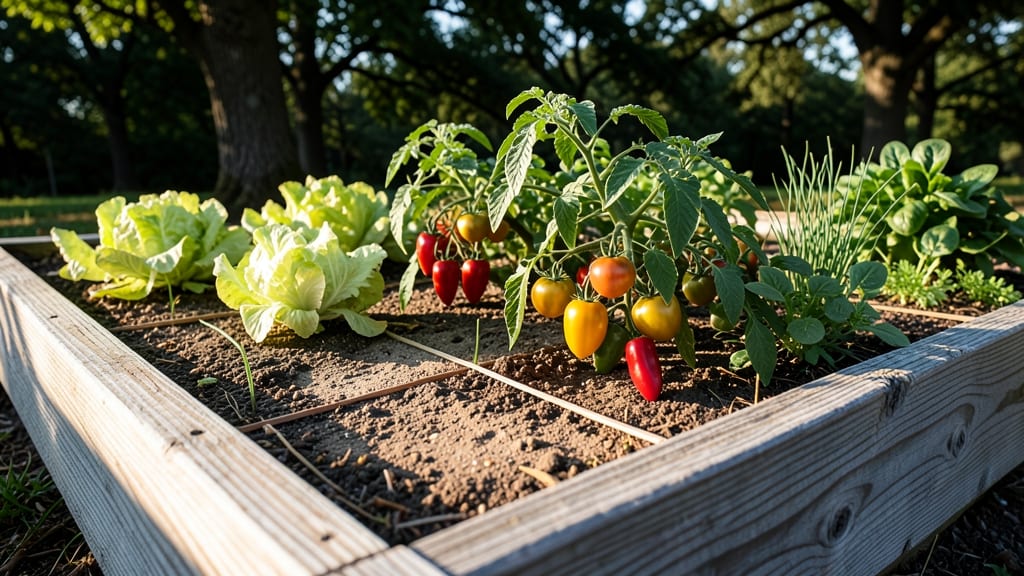
Want to maximize your garden’s productivity in a small space? These 10 raised bed layout ideas use square foot gardening principles to optimize plant diversity, yield, and organization—perfect for beginners and seasoned gardeners alike.
Classic 4x4 Square Foot Grid
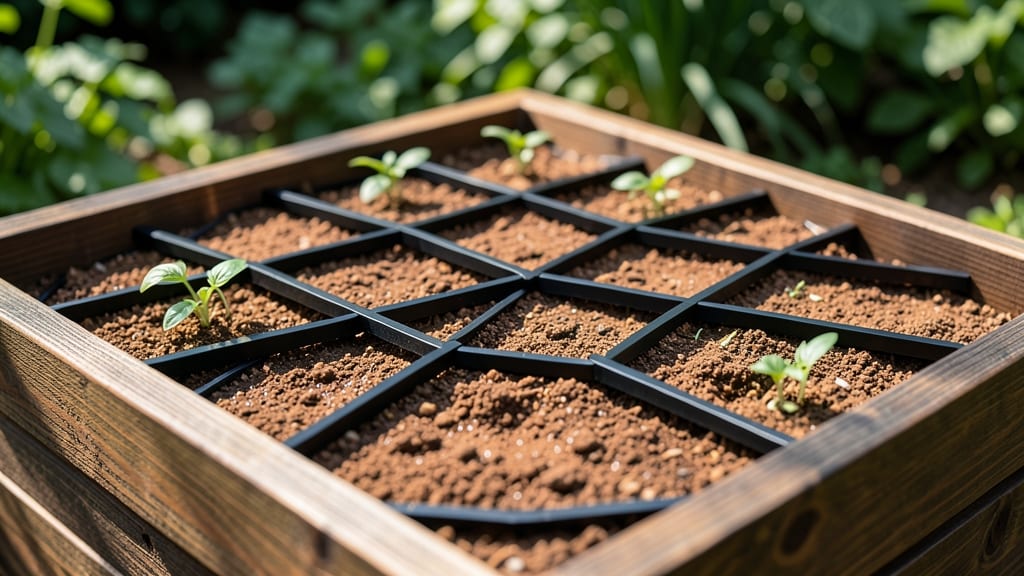
The 4x4 square foot grid is the ultimate beginner’s toolkit for raised bed gardening—think of it as a gardening chessboard where every square has a purpose. This 16-square layout (4 feet by 4 feet) lets you map out plant spacing with surgical precision, ensuring no resources are wasted and every plant thrives in its ideal environment.
Each square represents 1 square foot of growing space, perfect for plotting out plants based on their mature size. For example, place 1 tomato plant per square (they need room to sprawl), 4 onions (smaller footprint), or 16 radishes (tiny but prolific). The grid also makes crop rotation effortless—simply swap plant families each season to prevent soil depletion and pests. Use a simple wooden frame or string to mark your squares, and you’re ready to transform chaos into a productive, organized garden.
This layout is ideal for first-time gardeners or those with limited space who want to see immediate results. It’s also a great way to experiment with different plants without committing to a full-scale garden. Start with this classic grid, and you’ll master the art of efficient planting in no time. 🌱
Vertical Stacking Planters Layout
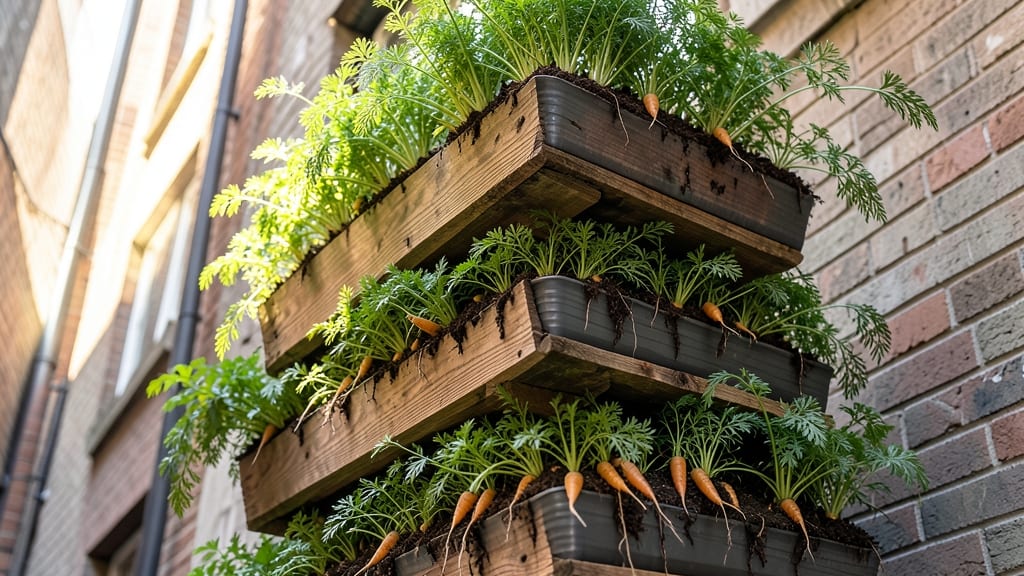
Tired of watching your urban garden space go to waste? This vertical stacking planters layout turns limited square footage into a high-yield growing powerhouse by stacking plants vertically in deep pockets.
Use wooden or plastic vertical planters (like those designed for strawberries) to grow carrots, radishes, and beets in deeper pockets, while shallower ones hold basil, lettuce, or chives. The key is spacing: place deeper-rooted veggies on the bottom and faster-growing herbs on top. This setup maximizes sunlight exposure for all plants while keeping your footprint small—ideal for balconies or patios.
Perfect for renters or small-space gardeners, this method eliminates wasted ground space while giving you a year-round harvest of fresh produce. 🌱
Companion Planting Zones
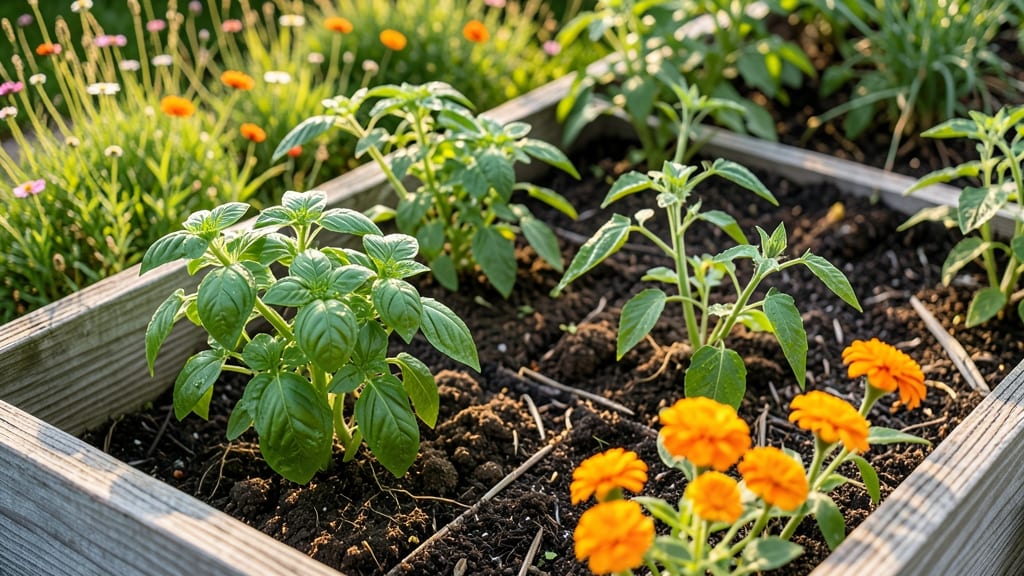
Tired of battling pests and watching your plants struggle? Companion planting zones turn your raised bed into a thriving ecosystem where plants support each other naturally—like basil repelling tomato hornworms or marigolds deterring nematodes in the soil.
Divide your bed into sections pairing proven combos: place carrots with onions or leeks to confuse carrot flies, or nestle peppers near basil to boost flavor and fend off pests. This method also saves space by stacking compatible plants vertically (e.g., tomatoes with bush beans) while improving soil health. Research-backed pairings mean fewer chemicals and more vibrant harvests.
Perfect for urban gardeners or small plots, this layout lets you grow more in less space while creating a self-sustaining garden. 🌟
Spiral Herb Garden Design
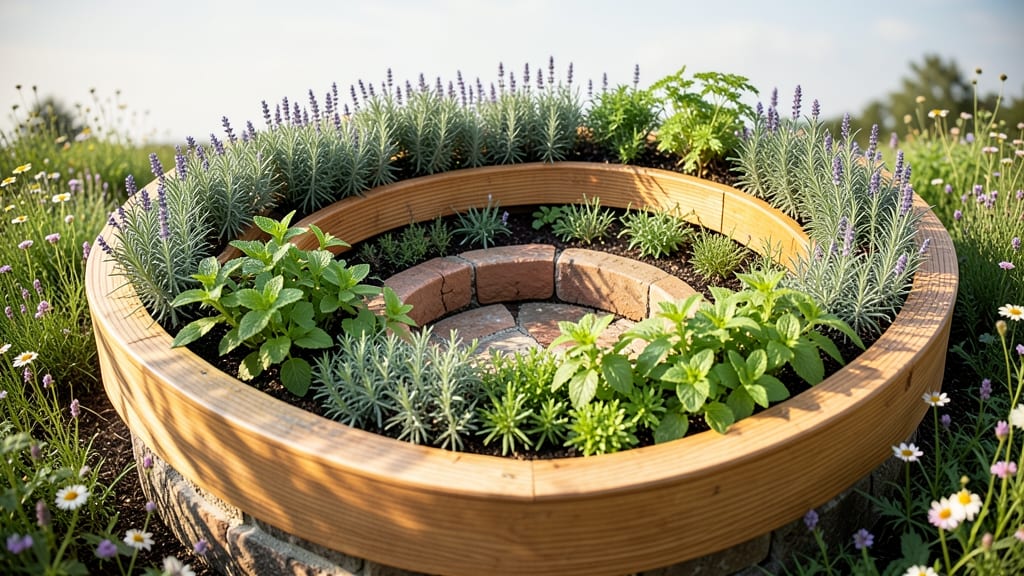
Transform your herb garden into a sun-catching spiral that’s as beautiful as it is functional. This design places each herb—like rosemary (sun-loving) and mint (moisture-loving)—along the curve where they thrive best, creating a low-maintenance, high-aroma space that’s easy to harvest from.
Start by shaping the bed in a spiral 3–4 feet wide, with the center receiving the most sun. Place drought-tolerant herbs (thyme, oregano) near the outer edges, while moisture-loving varieties (parsley, cilantro) nestle closer to the center. The curved design also allows sunlight to reach all plants throughout the day, reducing shade competition.
Perfect for small spaces, urban balconies, or kitchen gardens, this layout turns herbs into a living centerpiece while keeping them within arm’s reach. 🌿
Modular Grid with Adjustable Dividers
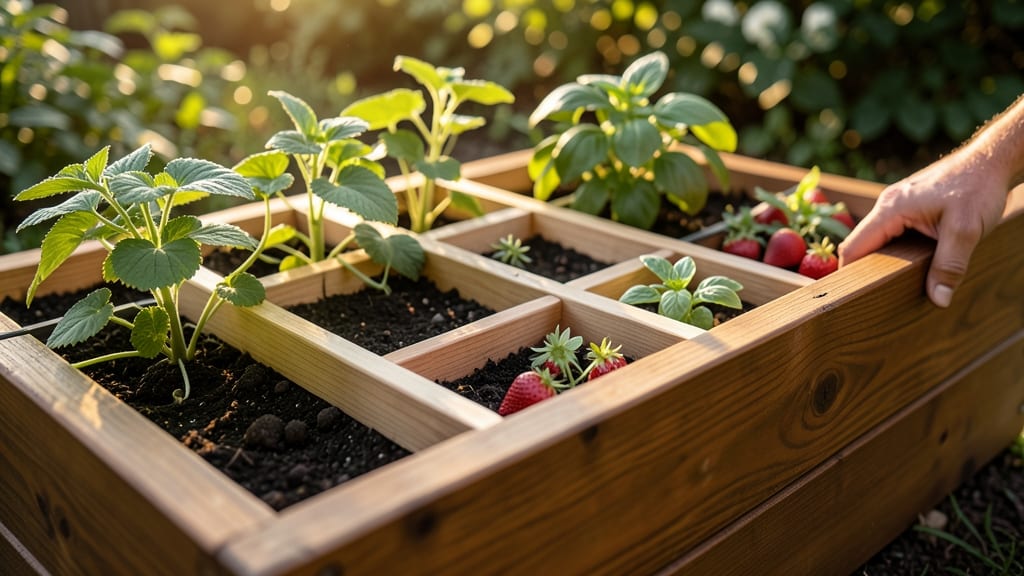
Tired of rigid garden layouts that leave you scrambling when your cucumbers outgrow their space? A modular grid with adjustable dividers solves this by letting you reconfigure your raised bed as plants grow—no wasted real estate or crowded roots.
Start with a grid of removable dividers (wood or plastic) to create custom-sized sections. Plant lettuce and radishes? Use small squares. Ready for vining cucumbers or pole beans? Merge squares into larger zones. The beauty? Dividers can be moved seasonally>—swap tiny spring greens for sprawling summer crops without rebuilding your bed.
This system is a game-changer for urban gardeners> or anyone with limited space. It’s also beginner-friendly, requiring minimal tools and no permanent alterations. 💡
Three-Zone Succession Planting Bed
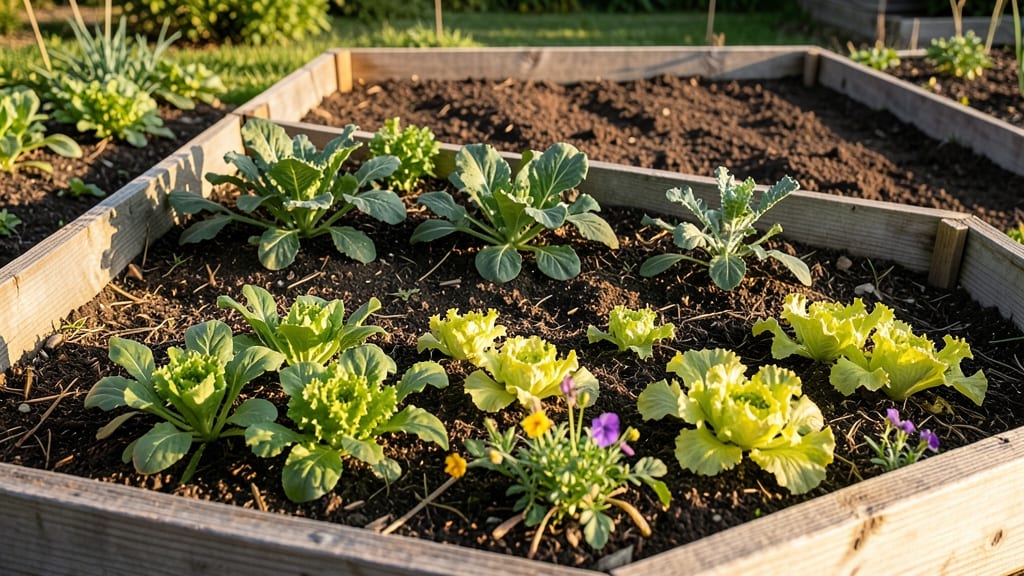
Tired of empty garden beds between harvests? A three-zone succession planting bed transforms your raised bed into a year-round production powerhouse by strategically dividing space for plants with staggered growing seasons.
Start with fast-growing spring crops like radishes or lettuce in the front zone, followed by mid-season plants such as bush beans or zucchini in the middle, and finish with hardy fall crops like kale or carrots in the back. This layout ensures you’re always harvesting while preventing overcrowding—each plant gets the space it needs at the right time. Use simple wooden dividers or string lines to mark zones and adjust as plants mature.
Perfect for small-space gardeners or those who want to minimize waste, this method guarantees fresh produce from early spring through late fall with minimal extra effort. 🌱
Keyhole Garden Layout
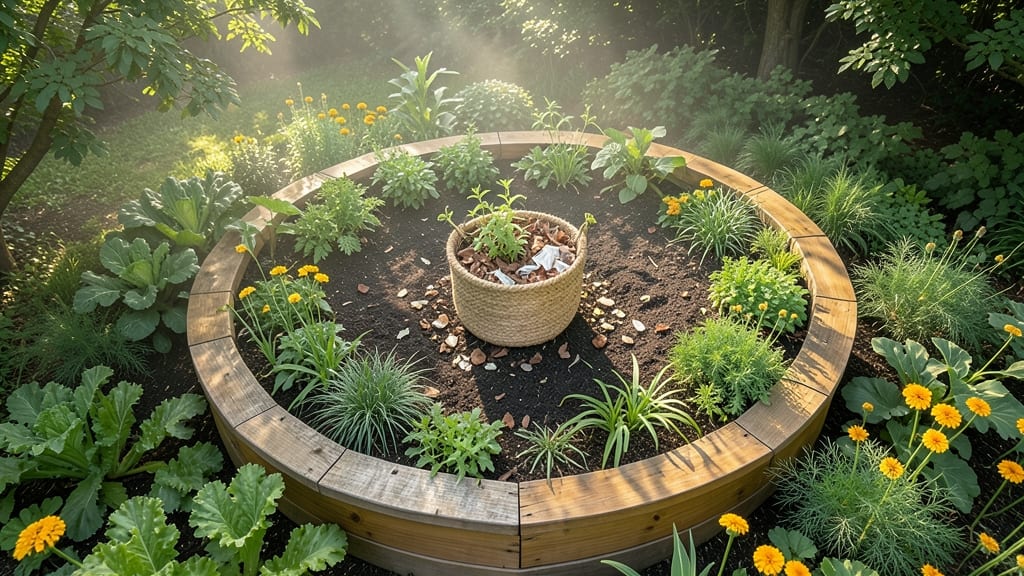
Transform your garden into a self-sustaining ecosystem with the keyhole garden layout, a circular design that marries beauty with efficiency. At its heart lies a compost hub—a central basket where kitchen scraps and yard waste decompose, feeding nutrients directly to the surrounding plants through a wicking system.
This layout thrives in small spaces (as little as 3 feet in diameter) and requires 30-50% less water than traditional beds, thanks to the compost’s moisture-retaining properties. Place leafy greens near the center where nutrients are most concentrated, while tomatoes or peppers can occupy the outer ring for full sun exposure. The circular shape also makes it ideal for accessibility, eliminating the need to step on soil.
Perfect for urban gardeners or those with limited space, this design turns waste into fertility while creating a low-maintenance, high-impact garden feature. 🌱
Salad Bar Raised Bed
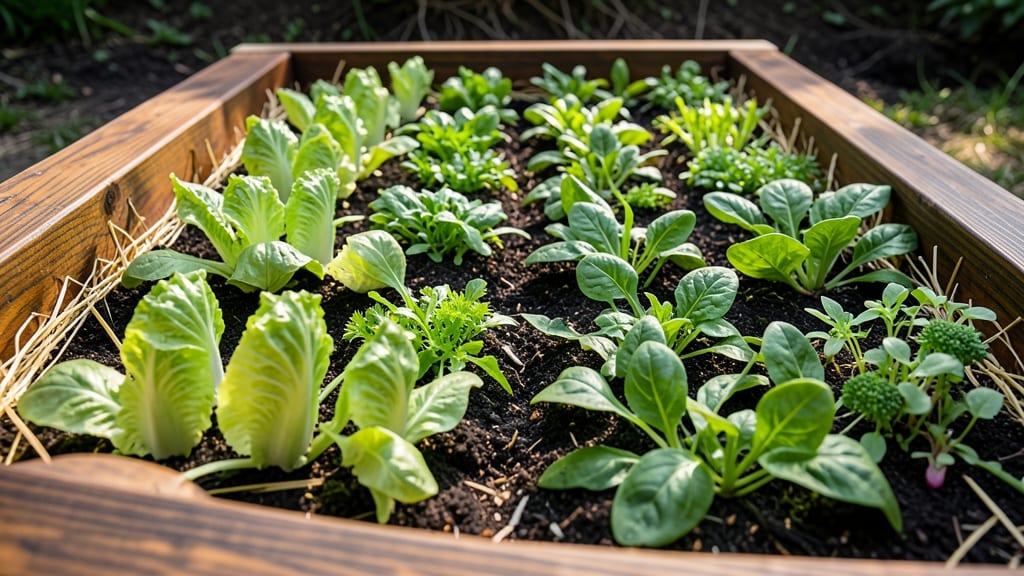
Tired of store-bought salads with wilted greens? A salad bar raised bed transforms your garden into a year-round fresh produce machine. This shallow, high-density layout prioritizes fast-growing greens like lettuce, spinach, and arugula, plus peppery microgreens, all planted in tight rows for maximum harvests.
Start by choosing a 4-foot-long, 10-inch-deep bed for optimal root space. Plant lettuce and spinach in staggered rows (3-4 inches apart) and tuck arugula and microgreens between them for quick turnover. Use drip irrigation to keep leaves crisp, and harvest outer leaves first to encourage continuous growth. This layout thrives with 4-6 hours of sun and works beautifully in partial shade too.
Perfect for urban gardeners, small-space homesteaders, or anyone craving fresh salads straight from the garden. With just one bed, you’ll enjoy a steady supply of crisp, homegrown greens all season long. 🌱
Pocket Planter for Small Seeds
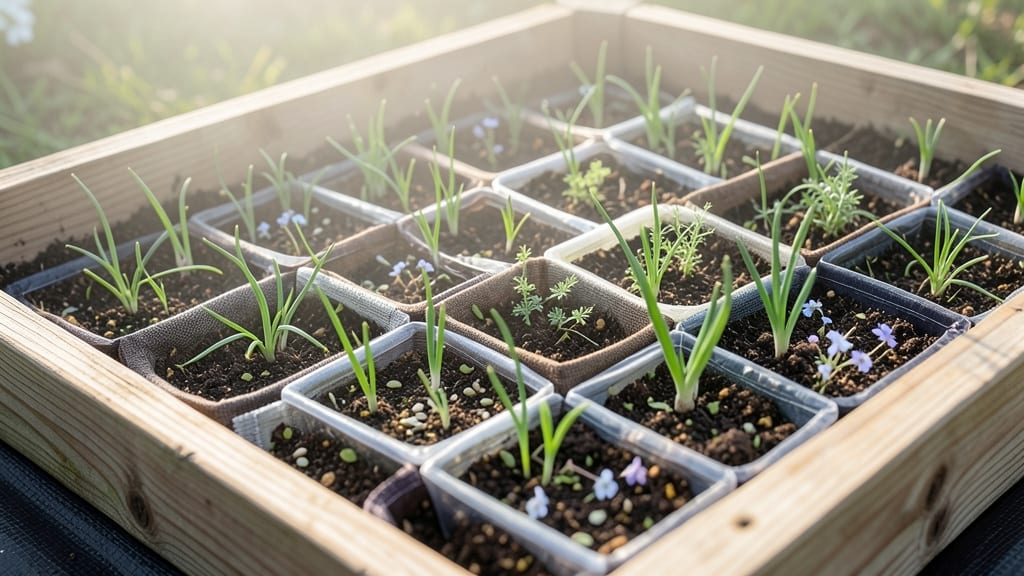
Tired of struggling with tiny seeds that refuse to stay in neat rows? Pocket planters solve this by turning your raised bed into a precision-growing system for delicate seeds like chives, scallions, or tiny flowers—no more guessing where to plant!
These individual fabric or plastic pockets create perfect growing compartments, each holding just 1-2 seeds. The pockets elevate roots for better drainage while keeping soil contained, ideal for renters or urban gardeners with limited space. Simply fill the pockets with potting mix, plant your seeds, and watch them thrive without competition for nutrients.
This layout is perfect for beginners or anyone who wants to grow herbs or microgreens without the fuss of traditional spacing. Plus, the pockets can be easily moved or replaced seasonally—no digging required! 🌱
Sun-Shade Gradient Bed

Struggling with uneven sunlight in your raised bed? A sun-shade gradient bed transforms partial-shade spaces into high-yield gardens by strategically placing plants based on their light needs. Place tomatoes and peppers on the south side where they’ll soak up 6+ hours of direct sun, while lettuce, spinach, and kale thrive on the north side with 3-4 hours of filtered light. This layout works perfectly for urban balconies with afternoon shade or forest-edge gardens.
Start by dividing your bed into two clear zones—south for heat-lovers and north for cool-season crops. Add a mulch layer on the shaded side to retain moisture, and use reflective surfaces (like light-colored stones) near sun-loving plants to boost their energy. You’ll enjoy year-round harvests without fighting for space or light. This design is ideal for gardeners with limited sun exposure who still want a bountiful yield. 💚