
Planting
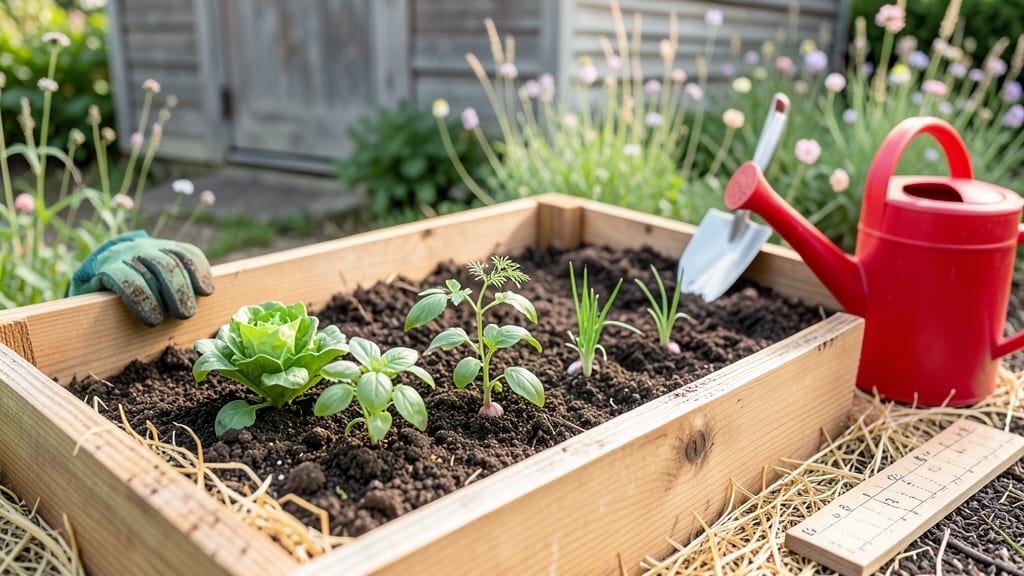
Raised bed gardening spacing vegetables isn't just about fitting plants in—it's about setting them up for maximum growth and minimal competition. 🌱 After years of trial and error (and a few sad, stunted zucchini), I finally cracked the code: spacing isn't arbitrary, it's science.
The right layout means stronger roots, better airflow, and harvests that keep coming all season long—not just a few sad tomatoes fighting for space.
Here's the secret: mature plant size dictates spacing, not how big they are now. A tiny carrot seed needs 2-3 inches of space because it grows deep, while a sprawling cucumber vine needs 12+ inches to stretch out.
Companion planting—pairing plants that help each other (like basil with tomatoes)—can cut your space needs by 30%, but only if you plan it right. And yes, I've learned the hard way that cramming plants together just leads to more work and fewer rewards.
By the end of this, you'll have a customized layout for your bed that accounts for sunlight, water needs, and plant personalities. Imagine rows of vibrant green lettuce tucked between tall, productive tomatoes, all thriving without smothering each other.
The key is balancing root zones, leaf canopies, and growth habits—like giving carrots their space while training cucumbers to climb instead of sprawl.
Whether you're working with a 4x8-foot bed or a tiny 2x4-foot patch, these spacing rules adapt to any size. The best part? You'll waste less seed, pull fewer weeds, and actually enjoy the process instead of fighting your garden. Let's get those plants spaced just right!
📚 In This Guide
- What you need
- Instructions
- Tips and common mistakes
- Wrapping up and next steps
What you need
- ● Raised bed frame: Untreated wood (cedar or redwood), composite lumber, or galvanized metal (4’x8’ or custom size; height: 6–12").
- ● Landscape fabric: 1 roll (3’ wide) to suppress weeds.
- ● Quality soil: 2–3 cubic yards of mix (60% topsoil, 30% compost, 10% perlite/sand for drainage).
- ● Organic mulch: Straw or wood chips (2–3 bags) to retain moisture.
- ● Drip irrigation kit: 50’ tubing + emitters (or soaker hoses).
- ● Garden stakes & twine: 10 stakes (6”–12” long) for trellising.
- ● Measuring tape & string: For precise spacing layouts.
- ● Gloves & knee pads: Because gardening is hard work! 🌱
- ● Soil tester kit: To check pH/nutrients (aim for 6.0–7.0).
- ● Compost thermometer: Monitor heat for seedling safety.
- ● Plant labels: Wooden or metal stakes with markers.
- ● Row covers: Frost protection for early/late seasons.
- ● Wheelbarrow: For hauling soil/mulch (trust us, your back will thank you).
- ● Sunlight: 6+ hours daily for most veggies (check plant tags!).
- ● Level ground: Clear debris/rocks; use a spirit level for flat beds.
- ● Water source: Nearby hose or irrigation hookup.
- ● Planting schedule: Research your frost dates and veggie days to maturity.
Science-backed vegetable spacing for raised beds
Perfect spacing makes all the difference between crowded chaos and thriving plants. Here's how to arrange vegetables like a pro.
📏 Step 1: Research Each Plant's Mature Size and Needs
Every vegetable has unique spacing requirements based on its mature size and growth habit. For example, leafy greens like lettuce and spinach need only 6-12 inches apart in rows spaced 12-18 inches apart, while squash vines spread 3-5 feet in all directions. I always check seed packets or trusted gardening guides for exact measurements—this is where most beginners go wrong.
Group plants with similar spacing needs together in your raised bed layout. For instance, place bush beans (4-6 inches apart) near carrots (2-3 inches apart) but keep them away from sprawling cucumbers. This prevents overcrowding and makes maintenance easier. Sketch a rough plan first to visualize how everything will fit.
📐 Step 2: Plan Your Layout Based on Sunlight and Growth Habits
Arrange taller plants like tomatoes (18-24 inches apart) or corn (12-18 inches apart) on the north side of your raised bed to avoid shading shorter varieties. Leafy greens and herbs can handle partial shade, but vegetables like peppers and eggplants need full sun (6-8 hours daily) and should be placed where they won’t be overshadowed.
Consider vertical growth habits too. Trellises for pole beans or cucumbers save space and improve airflow, which reduces disease risk. I like to place vining plants along the edges of the bed so they don’t compete for sunlight with central crops. For example, a 4-foot trellis along one side can support cucumbers planted 12 inches apart, freeing up space for bush varieties below.
🌱 Step 3: Mark Spacing with Stakes or String for Precision
Before planting, use wooden stakes or a garden twine grid to mark exact spacing. Drive stakes into the soil at the calculated intervals—this ensures you don’t accidentally plant too close. For example, if your bed is 4 feet wide, divide it into 16-inch sections for rows of carrots or radishes. This method prevents the "oops, I planted them too close" mistake that leads to stunted growth.
For round plants like onions or cabbage, use a measuring tape to create a grid. Place the first plant at the corner, then measure the required distance in all directions before adding the next one. If you’re planting in a 4-foot by 8-foot raised bed, you’ll fit about 4 rows of lettuce (12 inches apart) with 18 inches between rows, leaving room for taller plants like peppers in the center.
✂️ Step 4: Thin Seedlings to Maintain Proper Spacing
Even with perfect initial spacing, seedlings often grow too close together. Once they develop 2-3 true leaves, thin them to the recommended distance. For example, if you planted 1-inch-apart radish seeds but they’re now 3 inches tall, thin to 2 inches apart. Use sharp scissors to avoid disturbing roots, and harvest the thinned seedlings for salads—nothing goes to waste!
Thinning isn’t just about space; it’s about airflow. Crowded plants trap moisture, creating ideal conditions for fungal diseases like powdery mildew. You’ll know you’ve thinned correctly when each plant has enough room for its mature leaves to spread without touching neighbors. For instance, basil plants should have 12-18 inches between them to prevent overcrowding and improve flavor.
🌿 Step 5: Adjust for Companion Planting and Pest Control
Some plants benefit from being near each other—this is called companion planting. For example, marigolds (12 inches apart) repel pests like nematodes and can be tucked between rows of tomatoes. On the other hand, avoid planting brassicas (like cabbage) near strawberries, as they compete for nutrients and attract similar pests.
Use spacing to your advantage for natural pest control. For instance, onion sets planted 4-6 inches apart deter carrot flies when interplanted with carrots. Leave 12-18 inches between rows of susceptible crops like lettuce and cabbage to make it easier to spot and remove pests by hand. A well-spaced bed isn’t just about yield—it’s about creating a balanced, resilient garden ecosystem.
Tips & tricks for perfect raised bed vegetable arrangement
Here's what nobody tells you about spacing—these tricks will transform your raised bed from chaotic to thriving.
Plant Size Research: Always verify spacing requirements from seed packets or reputable sources, as generic guides often underestimate mature plant sizes. For example, while seed packets might suggest 12 inches for tomatoes, mature plants actually need 18-24 inches apart to prevent competition. I keep a reference chart next to my planting area to avoid this common mistake.
Sunlight Strategy: The 6-8 hours of full sun requirement isn't just about duration—it's about intensity. Place sun-loving crops like peppers and eggplants where they receive unobstructed morning sunlight, as afternoon shade can significantly reduce yield. I mark my bed's sun exposure throughout the day to plan accordingly, especially in summer when shadows shift.
Vertical Space Hacks: Don't overlook the vertical dimension! Installing a 4-foot trellis along one side of your raised bed can support cucumbers planted 12 inches apart while freeing up valuable ground space for other crops. This technique doubles your yield potential in the same footprint. I've seen pole beans climb to 6 feet on sturdy trellises, producing far more than their bush counterparts.
Precision Planting Tools: Invest in a measuring tape with inch markers and wooden stakes to create a grid system before planting. This visual guide prevents the "too close" mistake that leads to stunted growth. For instance, when planting a 4-foot by 8-foot bed, I divide it into 16-inch sections for rows of carrots, ensuring perfect alignment every time.
Pro Tips for Raised Bed Gardening Spacing Vegetables
- Here's what nobody tells you about spacing—these tricks will transform your raised bed from chaotic to thriving.
- Plant Size Research: Always verify spacing requirements from seed packets or reputable sources, as generic guides often underestimate mature plant sizes.
- Sunlight Strategy: The 6-8 hours of full sun requirement isn't just about duration—it's about intensity.
Frequently asked questions
Got questions about spacing your raised bed veggies like a pro?
Here are the most common ones—plus science-backed answers to keep your garden thriving!
Why does spacing matter in raised beds?
Proper spacing prevents competition for nutrients, water, and sunlight. Crowded plants lead to disease, poor airflow, and smaller harvests. Think of it like a cozy (but not cramped) dorm room—every plant gets enough room to shine!
When is the best time to plant vegetables in a raised bed?
Timing depends on your climate and crop type. Cool-season veggies (like lettuce or peas) thrive in early spring or fall, while warm-season plants (tomatoes, peppers) need soil temps above 60°F (15°C). Check your last frost date and plant seeds or transplants 2–4 weeks before warm weather arrives.
Can I use the same spacing for all vegetables?
Nope! Each plant has unique needs—leafy greens (like spinach) can be planted 4–6 inches apart, while squash or pumpkins need 3–5 feet of space to sprawl. Always check seed packets or a spacing guide for specifics!
What if my raised bed gets too hot or cold?
Use mulch (straw, grass clippings) to regulate temps and retain moisture. For extreme heat, try shade cloth (30–50% coverage). In cold snaps, row covers or cold frames can protect tender plants. Monitor soil temps—most veggies prefer 60–75°F (15–24°C).
What if my plants still look crowded after spacing?
Thin seedlings early to avoid stress! Use clean scissors to snip (not pull) weaker plants at soil level. For root crops (carrots, beets), thin gradually to prevent disturbing roots. Bonus: Those thinnings make great microgreens or compost!
Pro Tip:
Sketch a simple layout before planting—label rows and spacing. Use stakes or markers to guide seedlings. Rotate crops yearly to prevent soil depletion and pests. Happy gardening!
Wrapping up and next steps
Mastering raised bed gardening spacing for vegetables isn’t just about aesthetics—it’s the secret to a thriving, high-yield harvest! 🌱 By following science-backed layouts and optimizing airflow, you’ll reduce pests, maximize growth, and enjoy fresher produce with less effort.
Whether you’re a beginner or a seasoned gardener, these tips will help you design a productive, low-maintenance garden that’s as rewarding as it is beautiful.
Ready to put your newfound knowledge to work? Start small—try planting a single raised bed with your favorite veggies using the spacing guidelines above. Track your progress, adjust as needed, and soon, you’ll be reaping the benefits of a well-structured, bountiful garden! Happy growing! 🌿