
Tools
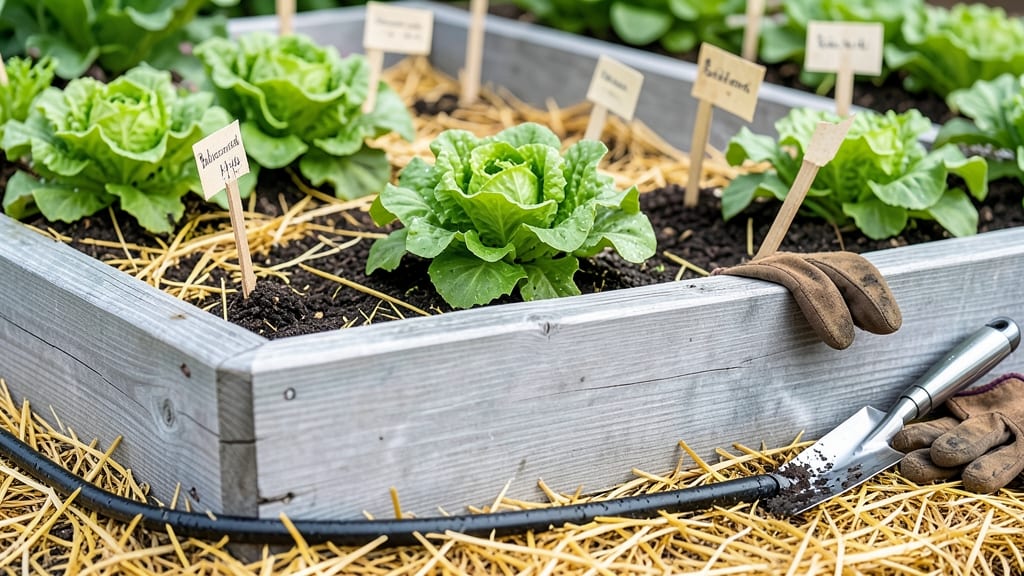
Creative outdoor raised garden bed ideas can transform your yard into a thriving, low-maintenance garden without breaking the bank.
Tired of expensive cedar or treated wood raised beds that rot within a few years? You’re not alone—many gardeners crave durable, budget-friendly alternatives that last longer and blend seamlessly into their outdoor space.
From repurposed bricks and cinder blocks to recycled metal and even old furniture, unconventional materials offer endless design possibilities while saving money. Whether you’re a beginner or a seasoned gardener, these ideas make it easier to build a bed that fits your style and your wallet.
Below, I’ll share 10 unexpected materials for raised beds, step-by-step DIY tips, and creative designs to inspire your next project—no fancy tools required.
10 Unconventional raised garden bed materials that save money & last longer
If you're tired of watching your raised garden beds degrade after just a few seasons, it's time to think outside the cedar box. The good news? You don't need to spend hundreds on traditional materials.
With a little creativity, you can build durable, budget-friendly raised beds using items you might already have lying around. These unconventional materials not only save money but often outlast their pricier counterparts.
I've tested many of these materials in my own garden, and some have lasted 10+ years with minimal maintenance. The key is choosing materials that resist rot, pests, and weathering while still allowing proper drainage and aeration for your plants. Let's explore the best options that won't break the bank.
| Material | Durability | Cost (Est.) | Pros | Cons |
|---|---|---|---|---|
| Bricks | 20+ years | $15-$30/bed | Weatherproof, reusable, aesthetic | Heavy, needs mortar |
| Cinder Blocks | 15+ years | $20-$40/bed | Strong, no mortar needed, stackable | Can leach chemicals, ugly if not dressed |
| Stone (Fieldstone) | 30+ years | $30-$60/bed | Natural, timeless, pest-proof | Expensive if buying new, irregular shapes |
| Pallet Wood | 3-7 years | $0-$20/bed | Free/cheap, easy to assemble | Needs sealing, limited lifespan |
| Recycled Metal | 25+ years | $50-$150/bed | Rust-resistant, modern look, durable | Can get hot in sun, heavier than wood |
| Repurposed Furniture | 5-10 years | $0-$50/bed | Free if salvaged, unique designs | May need repairs, limited size options |
| Concrete Blocks | 20+ years | $25-$50/bed | Extremely durable, weatherproof | Heavy, can crack if not reinforced |
| Brick Pavers | 15+ years | $20-$45/bed | Lightweight, easy to install, uniform | May shift over time, needs edging |