
Tools
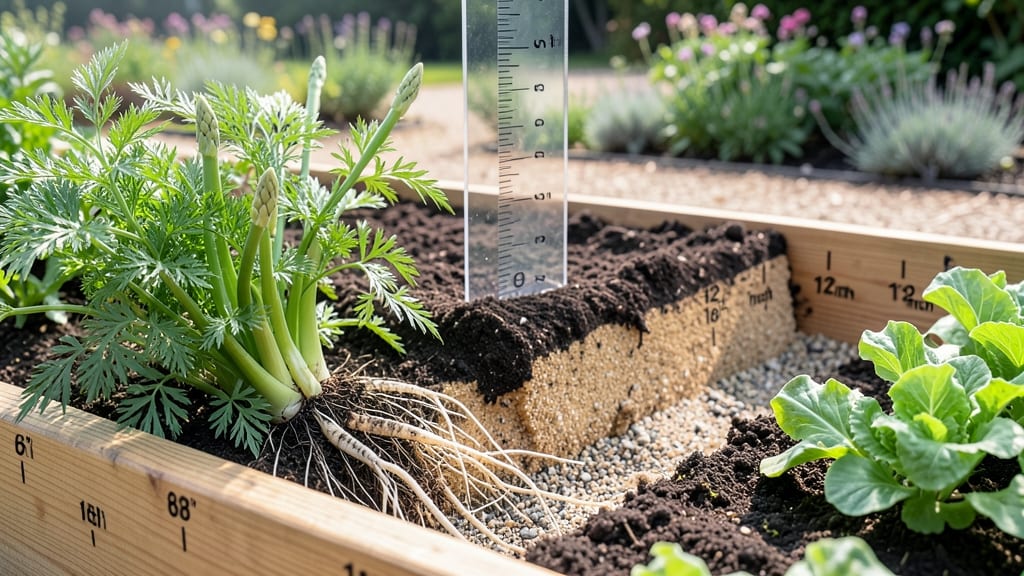
The optimal raised garden bed depth is 12 to 18 inches, allowing sufficient root growth for most vegetables while preventing soil compaction and improving drainage. Deeper beds (up to 24 inches) benefit root crops like carrots or potatoes, while shallower beds (6-12 inches) work for herbs and leafy greens.
Choosing the right raised garden bed height isn't just about aesthetics—it directly impacts your plants' ability to thrive. 🌱 A 12- to 18-inch depth gives most vegetables enough room to develop strong root systems while preventing soil from becoming too dense.
This ideal height also improves drainage, which is especially critical in rainy climates or when using heavy soils. For deeper-rooted plants like sweet potatoes or asparagus, extending to 24 inches ensures they won't become root-bound, while shallow beds (6-12 inches) suit herbs and greens perfectly without wasting space.
What many gardeners overlook is how bed height affects soil temperature and moisture retention.
Taller beds warm up faster in spring, giving you an earlier planting window, while shallower beds dry out quicker in hot weather. 💧 If you're working with clay soil or limited space, consider building beds in tiers or using lightweight growing mediums to maximize root space without excessive depth.
💡 In This Article
- How Root Zone Depth Affects Plant Growth
- Choosing Raised Bed Depth by Plant Type
How root zone depth affects plant growth
The root zone depth in raised beds directly influences a plant's ability to access nutrients, water, and stability. Roots need space to explore—shallow beds (6 inches) restrict growth, forcing plants to compete for resources in a confined area.
This leads to stunted development, especially for vegetables like tomatoes whose roots can spread 2-3 feet wide and 18-24 inches deep. The deeper the root zone, the more efficiently plants can absorb moisture during dry spells and recover from drought stress.
Soil aeration is another critical factor. Compacted soil in shallow beds creates anaerobic pockets where roots suffocate, while deeper beds allow oxygen to penetrate freely. 🌱 For example, carrots need 12-18 inches of loose soil to develop their taproots—any shallower, and they'll fork or grow stunted.
The science here involves root pressure: deeper beds reduce resistance, letting roots push downward naturally. Even leafy greens benefit from 8-12 inches of depth, as their fibrous roots spread horizontally but still need vertical space for stability.
Water retention plays a surprising role too. Deeper beds hold moisture longer because they're less exposed to evaporation. A 12-inch bed loses water 30-50% slower than a 6-inch one, thanks to reduced surface area.
This is why raised beds outperform in-ground gardens during heatwaves—consistent moisture levels reduce transplant shock and improve yield. The trade-off? Deeper beds require more soil mix and initial labor, but the long-term benefits for root crops like potatoes (which need 18-24 inches) make it worthwhile.
Temperature gradients also shift with depth. Shallow beds warm up faster in spring, giving early starts to cold-sensitive plants like basil, but they overheat quicker in summer.
Deeper beds maintain cooler, more stable temperatures at root level—ideal for heat-loving crops like peppers. 🌡️ This thermal buffering explains why raised beds often produce earlier harvests in cool climates.
The key is matching depth to your climate: in hot zones, prioritize deeper beds; in temperate areas, 12-18 inches strikes the perfect balance.
One often-overlooked mechanism is root pruning. When roots hit hardpan or bed boundaries, they release stress hormones that trigger flowering—this is why container-grown tomatoes often fruit earlier. In raised beds, controlling depth lets you time this response.
For example, a 12-inch bed for tomatoes encourages bushier growth, while 18+ inches promotes taller vines. The root-to-shoot ratio becomes your tool for shaping plant architecture.
Consider this comparison: a 6-inch bed limits herbs like thyme to shallow roots, while a 12-inch bed lets their woody stems anchor deeply. The difference? Herbs in deeper beds survive winter better and regrow faster in spring.
This principle scales to all plants—depth isn't just about size, but about creating the right environmental conditions for each species' root biology.