
Tools
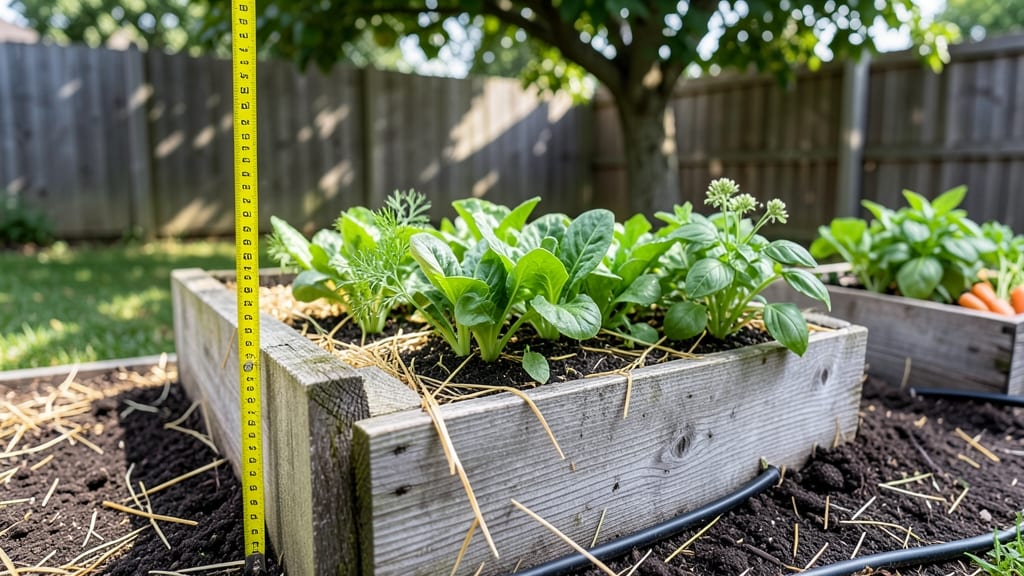
The ideal garden bed height for most vegetables and herbs is 6 to 12 inches, balancing root depth needs with drainage efficiency while reducing soil compaction and improving accessibility for planting and maintenance. Raised beds typically sit 4 to 6 inches above ground for airflow and weed control.
Determining the right bed height comes down to two key factors: your plants' root systems and how you want to manage your garden. Shallow-rooted plants like lettuce or basil thrive in beds just 6 inches deep, while deeper-rooted crops such as carrots or tomatoes need the full 12-inch range. 🌱 The extra height also prevents soil compaction from foot traffic, which keeps roots healthy and oxygen flowing.
I've found that beds between 8-10 inches strike the best balance for most home gardens—deep enough for most veggies but still manageable for weeding and harvesting.
For raised beds specifically, the 4-6 inch elevation above ground isn't just about aesthetics—it's a strategic move. This height improves drainage by preventing waterlogging while keeping weeds at bay. The extra space also lets you use lighter, more fertile soil mixes that wouldn't work in ground-level beds.
Pro tip: If you're building your own, use untreated wood or cedar for longevity, and consider adding landscape fabric at the bottom to block invasive roots from creeping in.
💡 In This Article
- How Root Depth and Soil Structure Influence Garden Bed Height
- Practical Guide to Choosing Garden Bed Height by Plant Type
How root depth and soil structure influence garden bed height
The science behind ideal garden bed height starts with understanding how plants breathe and grow. Most vegetables and herbs develop root systems that extend downward in direct proportion to their above-ground growth.
For example, leafy greens like spinach typically have roots that spread 6-8 inches deep, while carrots can push roots down 12+ inches to access moisture. The bed height must accommodate this vertical growth while maintaining proper soil aeration - roots need oxygen as much as water and nutrients.
Soil compaction is where bed height becomes critical. In-ground beds often suffer from foot traffic compaction, which can reduce pore space by up to 40% in the top 6 inches. This creates anaerobic zones where roots suffocate.
Raised beds solve this by elevating the planting surface, allowing roots to expand freely without being crushed. The 4-6 inch elevation standard creates a buffer zone that prevents compaction while still maintaining good drainage - water moves through the soil at about 0.5 inches per hour in well-structured beds.
Drainage mechanics change dramatically with height. A 6-inch deep bed might retain water for 24-48 hours after heavy rain, while a 12-inch bed drains in 12-24 hours due to increased vertical space. This difference prevents root rot in moisture-sensitive plants like tomatoes.
The elevated sides of raised beds also create a natural moisture gradient - outer layers dry faster than center areas, which mimics natural forest floor conditions where plants experience varying moisture levels.
Microbial activity thrives in this optimal structure too. The top 6 inches of soil contain 80-90% of all beneficial microbes, while deeper layers have specialized organisms that break down organic matter.
A properly sized bed maintains this microbial balance by preventing waterlogging (which kills aerobic microbes) while keeping the soil loose enough for root exploration. The elevated design also reduces soil-borne diseases by limiting splash from rain or irrigation.
Consider the texture differences too - a 6-inch bed feels firm underfoot, while a 12-inch bed has that satisfying looseness that tells you roots can spread freely. This structural difference affects everything from seedling establishment to mature plant stability.
For instance, tomato plants in 10-inch deep beds develop 30% stronger root systems than those in compacted in-ground soil.
What most gardeners don't realize is how bed height affects temperature regulation. Deeper beds maintain more stable soil temperatures year-round - the 8-10 inch range keeps roots in the optimal 60-75°F zone longer during spring and fall.
This temperature consistency translates to 20% faster growth for cool-season crops like broccoli and lettuce.