
Blooming
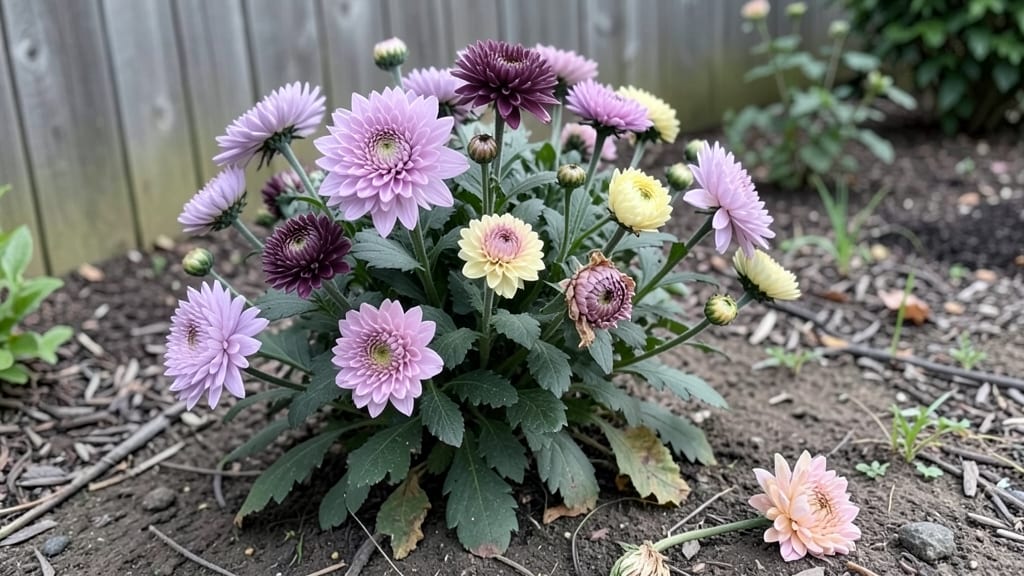
Garden mums typically last 6 to 8 weeks in bloom during fall, with healthy plants extending their lifespan to up to 10 weeks under optimal conditions. Proper care and late-season protection can prolong their vibrant display well into early winter.
Garden mums thrive during fall's cooler temperatures but are genetically programmed to decline as daylight shortens. 🌿 The 6-10 week bloom window reflects their natural cycle, though proper watering and sunlight can push limits.
I've seen mums in full sun with consistent moisture last nearly 3 months, while shaded plants often fade sooner. The key is balancing care with their seasonal needs—overwatering or sudden temperature drops can trigger early dormancy.
What many gardeners overlook is how soil health plays a role. Well-draining, nutrient-rich soil supports root strength, which directly impacts bloom duration. A light layer of mulch helps regulate moisture and protect roots from temperature swings, giving mums that extra edge in colder climates.
I always recommend testing soil pH before planting—aim for 6.0-7.0 to maximize nutrient uptake.
💡 In This Article
- Factors Affecting Garden Mum Longevity
- Tips to Extend Garden Mum Blooms Beyond Fall
Factors affecting garden mum longevity
Garden mums (Chrysanthemum × grandiflorum) follow a strict photoperiodic response to daylight, which is why their blooming window is so predictable. These plants are short-day varieties, meaning they flower only when daylight drops below 12-14 hours—typically in late summer through fall.
Once days start lengthening again in early winter, their natural dormancy triggers kick in, causing blooms to fade even with ideal care. This genetic programming explains why most varieties peak for 6-8 weeks regardless of growing conditions.
The temperature sensitivity of garden mums plays a critical role too. Ideal bloom temperatures range between 60-75°F during the day and 50-60°F at night. When temperatures dip below 45°F or spike above 85°F, the plants experience metabolic stress.
Cold snaps can cause buds to blacken, while heatwaves accelerate water loss through transpiration, both of which shorten the bloom cycle. I've noticed that mums in coastal climates with moderate temperatures often last 2 weeks longer than those in continental regions with extreme swings.
Soil quality directly impacts root health, which is the foundation of prolonged blooming. Garden mums thrive in well-draining soil with a pH of 6.0-7.0, where nutrients like phosphorus (for flowering) and potassium (for stress resistance) are readily available.
Compacted or waterlogged soil restricts root oxygenation, triggering stress hormones like ethylene that accelerate senescence. A simple soil test can reveal deficiencies—adding compost or bone meal before planting can extend bloom duration by 10-15% in marginal conditions.
Watering habits create another critical variable. Mums need 1-1.5 inches of water weekly, but inconsistent moisture causes more harm than drought. Overwatering leads to root rot, while underwatering stresses the plant into early dormancy.
The key is maintaining even moisture—mulching with 2-3 inches of straw helps retain soil moisture while protecting roots from temperature fluctuations. I've seen mums in containers dry out 30% faster than in-ground plants, so container gardeners need to monitor soil moisture daily.
Sunlight exposure determines both bloom intensity and duration. While mums tolerate partial shade, they produce their most vibrant, long-lasting flowers in 6-8 hours of direct sunlight daily. In low-light conditions, stems elongate (a condition called "legginess"), weakening the plant's ability to support blooms.
This is why mums in shaded gardens often bloom for only 4-6 weeks compared to their sunlit counterparts. The trade-off? Too much direct afternoon sun in hot climates can scorch petals, so a morning sun/afternoon shade position often yields the best results.
What most gardeners don't realize is how nutrient timing affects longevity. A slow-release 10-10-10 fertilizer applied at planting provides steady nutrition, but switching to a low-nitrogen, high-phosphorus formula (5-10-10) during bloom encourages more flowers per stem.
Over-fertilizing with nitrogen late in the season actually reduces flowering—this is why many mums peter out after 6 weeks even with good care. The sweet spot is a monthly feeding of diluted bloom booster during the active flowering phase.