
Lawn
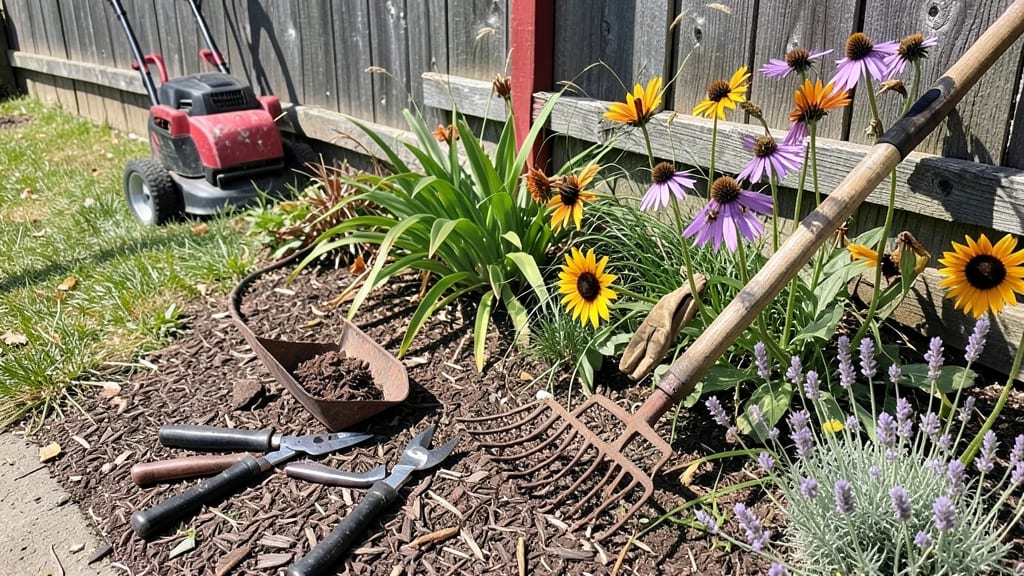
Maintaining your lawn and flower bed maintenance involves consistent seasonal care—think regular mowing, proper watering, diligent weeding, and strategic fertilizing—to keep everything lush and thriving, while mulching and pruning help protect plants from pests and environmental stress.
Lawn and flower bed maintenance isn't just about making your outdoor space look good—it's about creating the right conditions for healthy growth all year round. 🌱 The key is balancing moisture, nutrients, and protection, which means adjusting your routine based on the season. For example, spring is all about aerating compacted soil and encouraging new growth, while summer focuses on deep watering to combat heat stress. I've found that mulching in late spring not only suppresses weeds but also retains moisture and regulates soil temperature, giving your plants a real advantage during hot months.
What often trips people up is the timing of fertilizing—too early in spring can burn tender new shoots, while waiting too long means missed growth opportunities. A slow-release fertilizer applied in early fall gives roots a head start for next year's blooms.
And don't overlook the power of pruning: cutting back dead growth in early spring removes hiding spots for pests and improves airflow, which prevents fungal diseases like powdery mildew that can devastate flower beds.
💡 In This Article
- Seasonal Lawn and Flower Care Calendar
- Pro Tips for Preventing Common Lawn and Flower Problems
Seasonal lawn and flower care calendar
The foundation of healthy lawns and flower beds lies in understanding how seasonal changes affect plant growth. In spring, focus on aerating your lawn—using a core aerator to pull out small soil plugs—when soil temperatures reach 55-60°F.
This process relieves compaction from winter frost and allows water, air, and nutrients to penetrate deeper, promoting root development. 🌱 For flower beds, remove winter mulch and prune back dead growth to encourage fresh foliage and blooms, typically between late March and April depending on your climate zone.
Summer shifts the priority to watering efficiency—most lawns need 1-1.5 inches of water per week, delivered in deep, infrequent sessions (like twice weekly) to encourage deep root growth. For flower beds, apply a 2-3 inch layer of mulch in early summer to retain moisture and block weeds.
The ideal mulch—whether shredded bark or straw—should stay 2-3 inches away from plant stems to prevent rot while still protecting roots from temperature swings. 💧
Fall is when you fertilize for next year's growth, using a slow-release, high-nitrogen fertilizer in late September or early October before the first frost. This timing allows roots to absorb nutrients before dormancy sets in.
For flower beds, divide and transplant perennials after they've finished blooming, and add a layer of compost to replenish nutrients. In colder climates, protect tender perennials with 4-6 inches of straw mulch to insulate roots from freezing temperatures.
Winter care is often overlooked, but it's critical for long-term health. Avoid walking on frozen lawns to prevent soil compaction, and remove fallen leaves from flower beds to prevent smothering plants.
In areas with heavy snow, use a lightweight snow blanket over delicate perennials to prevent crown damage. 🌨️ The key in winter is preparation—cleaning up debris and sharpening tools now ensures you're ready to hit the ground running in spring.
Environmental factors like rainfall and temperature can shift these timelines. For example, in drought-prone areas, summer watering may need to be adjusted to early morning sessions to reduce evaporation, while in humid climates, you might need to space out fertilizing to prevent nutrient runoff during heavy rains.
Always check soil moisture by digging 2-3 inches deep—if it's dry, it's time to water.
Pro tip: Keep a simple garden journal to track when you perform tasks each year. Note the first frost date, bloom times, and any adjustments you make—this becomes your personalized care calendar over time. 📅