
Diseases
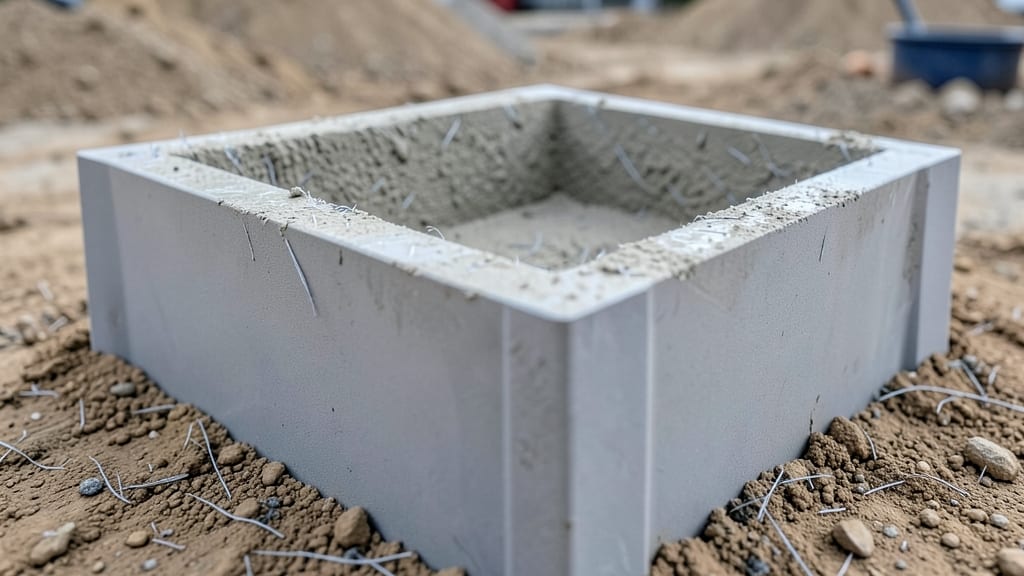
Cracked and deteriorating concrete raised beds ruin gardening plans faster than weeds take over. These 10 proven mold designs and prevention strategies will help you build beds that last decades—not seasons—while keeping your plants thriving.
Reinforced Steel Mesh Concrete Raised Bed Mold
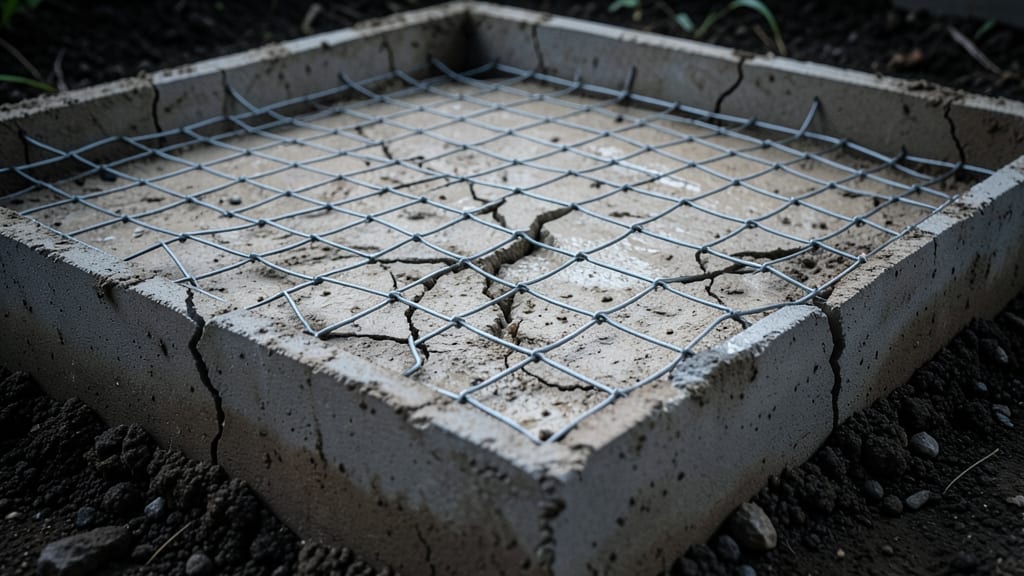
Struggling with heavy clay soil that turns your concrete raised beds into a cracked, crumbling mess? A reinforced steel mesh mold is the game-changer you need—this grid of galvanized steel embedded in your concrete prevents horizontal splitting and keeps beds structurally sound for 20+ years.
Unlike standard concrete, which cracks under clay soil’s expansion-contraction cycles, steel mesh absorbs tension, reducing fractures by up to 90%. Use ½-inch galvanized mesh (like chicken wire but stronger) laid horizontally at the base and mid-height of your mold before pouring concrete. For extra durability, pair it with expansion joints every 4 feet to handle seasonal shifts.
This method is ideal for gardeners in clay-heavy regions or those building long-term beds for perennial plants. The upfront effort pays off with decades of crack-free growing space—no more replanting due to structural failure! 💪
Fiberglass Mesh Concrete Raised Bed Mold
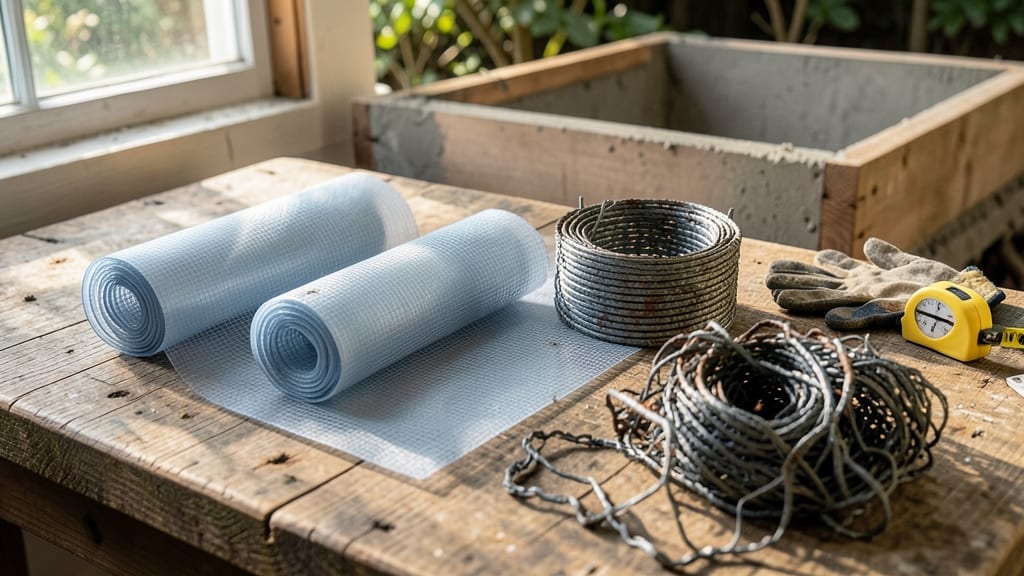
Struggling to lift heavy steel mesh for your raised beds? A fiberglass mesh concrete mold offers the same reinforcement without the bulk—weighing up to 80% less than steel while reducing cracks by 70%. This lightweight solution lets you DIY without straining your back or breaking your budget.
Unlike steel, fiberglass won’t rust or corrode, making it ideal for humid climates or coastal gardens where salt air accelerates metal deterioration. Simply cut the mesh to fit your mold, embed it during pouring, and enjoy a smooth, long-lasting finish that won’t warp over time. It’s especially great for smaller beds (under 4’x8’) where heavy materials would be impractical.
Perfect for urban gardeners, balcony growers, or anyone with limited strength, this mesh lets you build durable beds without the heavy lifting. Your plants—and your back—will thank you. 💪
Polyethylene Concrete Waterproofing Membrane Mold
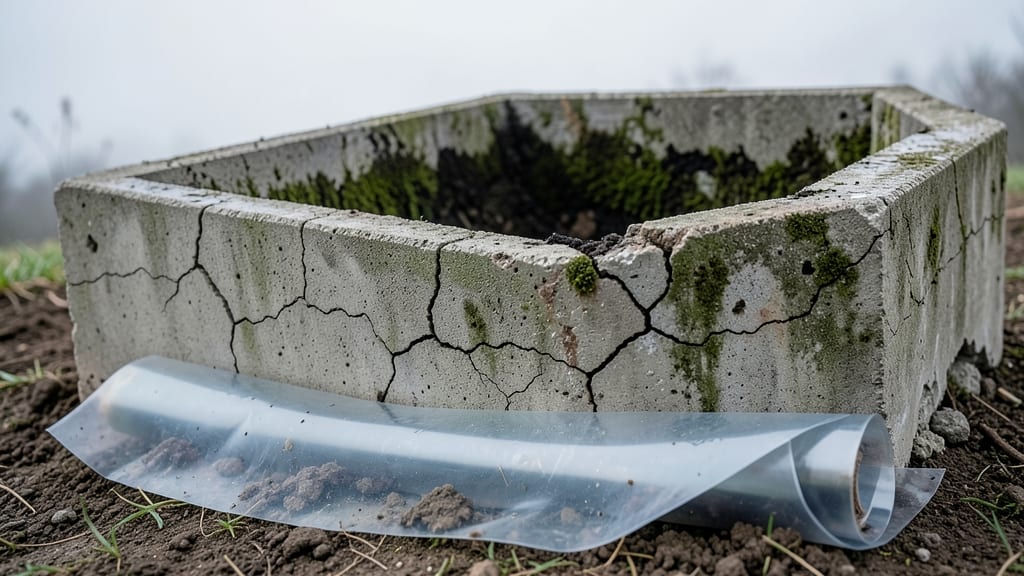
Tired of concrete raised beds that crumble from constant moisture or develop moldy corners that ruin your soil? A polyethylene waterproofing membrane is your secret weapon for moisture-prone gardens, creating a barrier that stops water seepage before it causes erosion or fungal growth.
This flexible, black membrane rolls out like plastic sheeting but acts like armor for your concrete. Lay it directly against the mold before pouring, ensuring no water seeps through cracks or weak spots. It’s especially critical in low-lying areas or regions with high rainfall, where standard concrete fails within a few years. The membrane also prevents internal corrosion—the silent killer of long-term beds—by keeping concrete dry from the inside out.
Ideal for basement gardens, shaded beds, or coastal areas, this solution turns problematic moisture into a non-issue. Your plants will thrive in stable, mold-free soil for years longer than untreated beds. 🌱
Expansion Joint Concrete Raised Bed Mold
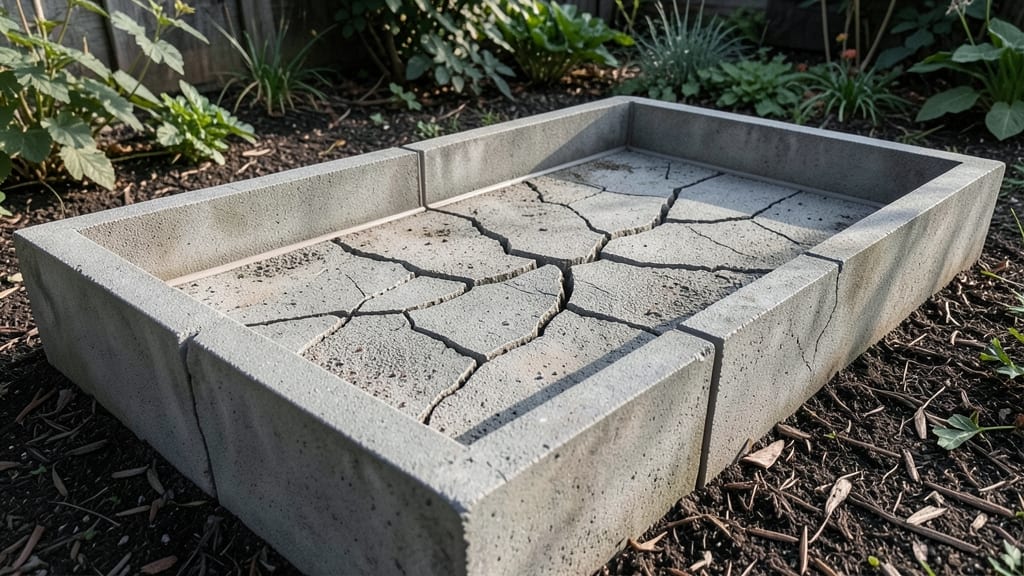
Frost heaves and summer heat can turn your concrete raised beds into a patchwork of unsightly cracks—but expansion joints are the secret weapon against this seasonal sabotage. These strategic gaps (typically ¼-inch wide) act like shock absorbers, allowing your bed to flex with ground movement instead of shattering under pressure.
Install compression strips (like foam or rubber) between concrete sections every 4–6 feet, then fill the joints with a flexible sealant after curing. This prevents the popcorn cracking that plagues freeze-thaw climates, where water expands in cracks and ruins beds within years. For extra protection, add joints at corners and where the bed meets the ground.
Gardeners in northern or mountainous regions will see the biggest benefits, but even temperate zones experience enough seasonal shifts to warrant this simple upgrade. With expansion joints, your beds stay intact—no more replanting due to structural failure! ✨
Epoxy-Coated Concrete Raised Bed Mold
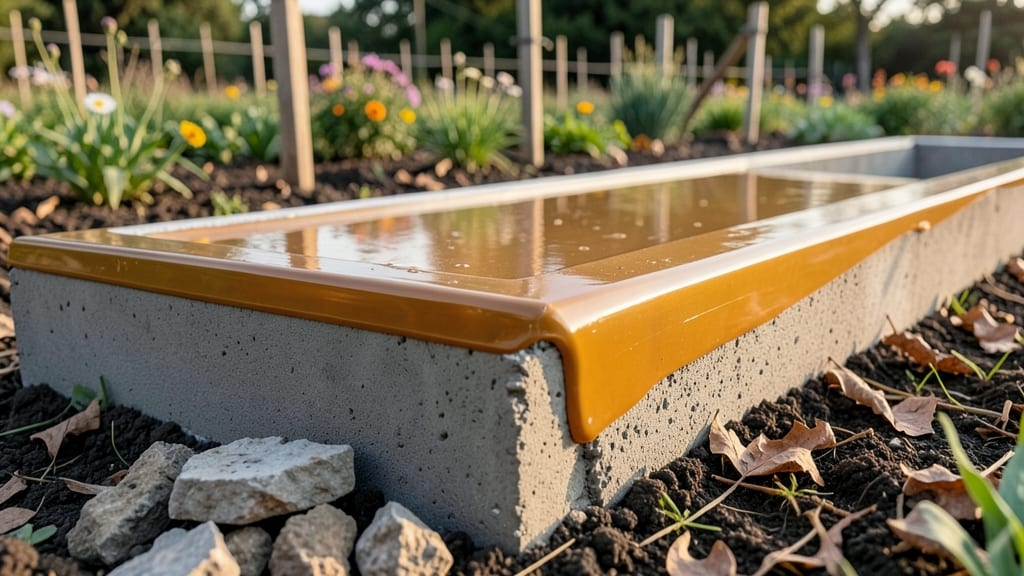
Tired of your concrete raised beds crumbling under acidic soil conditions? An epoxy-coated concrete mold is your secret weapon—this industrial-grade coating creates a chemical barrier that protects against the erosion caused by low-pH soils, keeping your beds intact even when standard concrete would dissolve.
The epoxy layer acts like armor, shielding the concrete from the corrosive effects of acidic organic matter (like pine needles or compost tea) that slowly break down unprotected surfaces. Simply apply a two-part epoxy resin to your mold before pouring concrete, and you’ll get a smooth, non-porous finish that resists staining and extends the bed’s life by up to 50% in acidic conditions. It’s especially valuable for vegetable gardens where soil amendments fluctuate.
Perfect for gardeners in pine-heavy regions or those growing acid-loving plants like blueberries, this method ensures your beds stay sturdy and mold-resistant for years. Your soil’s pH won’t stand a chance! ✨
Modular Concrete Block Raised Bed Mold
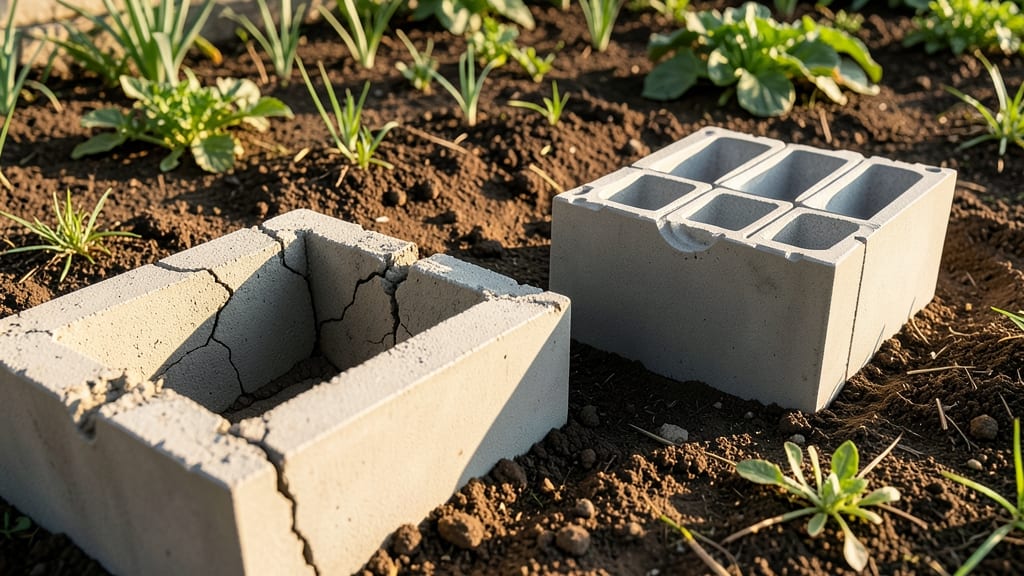
If you’ve ever poured concrete for a raised bed only to watch it crack and crumble within a year, modular concrete block molds offer a revolutionary alternative—no mixing, no mess, and no permanent repairs. These interlocking blocks snap together like LEGO, creating a mold-free system where damaged sections can be swapped out without tearing up the whole bed.
Each block is pre-formed with reinforced edges to prevent shifting, and their hollow cores reduce weight while allowing roots to breathe. For beginners, this means zero concrete-mixing headaches—just stack, fill with soil, and plant. The real game-changer? If one block cracks or shifts over time, you simply replace that section, saving both money and labor compared to rebuilding an entire bed.
Perfect for urban gardeners with limited space or first-time builders, this system turns raised bed construction into a low-stress, high-reward project. No more waiting for concrete to cure or dealing with mold-prone pours—just plug-and-play gardening from day one. 🌱
Geotextile Fabric-Lined Concrete Raised Bed Mold
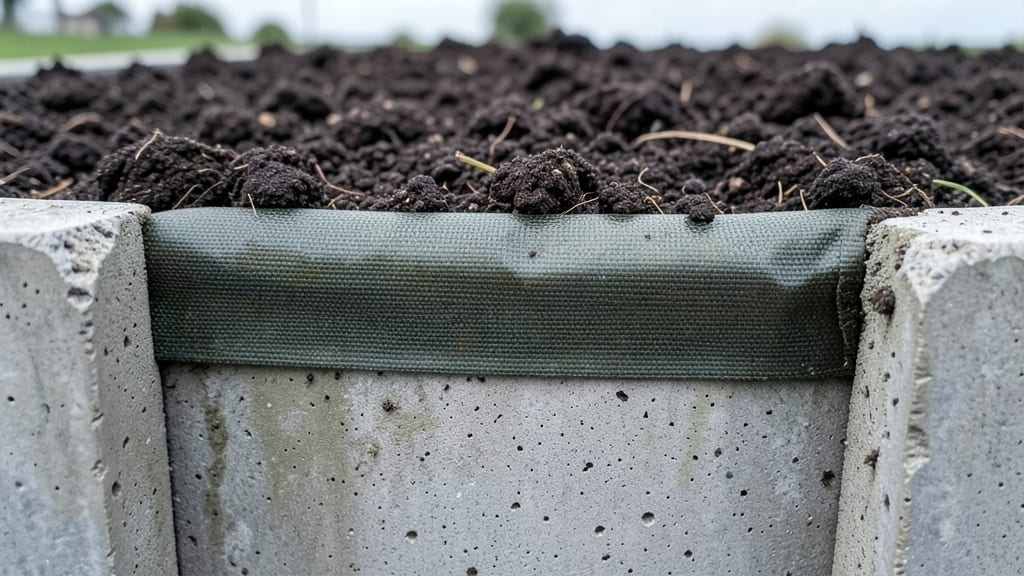
Fighting persistent mold growth in your concrete raised beds? A geotextile fabric lining acts like an invisible shield between your concrete and soil, blocking root intrusion and stopping organic matter from degrading the structure. This breathable yet sturdy barrier keeps moisture balanced while preventing the black mold that turns fertile soil into a breeding ground for fungi.
Simply lay the fabric directly against your mold before pouring concrete—no special tools required. The fabric’s porous yet durable design allows water to drain while blocking invasive roots and soil particles that accelerate deterioration. Studies show this method extends bed lifespan by 30%, making it ideal for heavy-use vegetable gardens or perennial beds where long-term stability matters most.
Perfect for gardeners who want low-maintenance durability without chemical treatments, this fabric-lined approach keeps your beds mold-free and your plants thriving for years. 🌱
Pre-Cast Concrete Raised Bed Mold with Integral Waterproofing
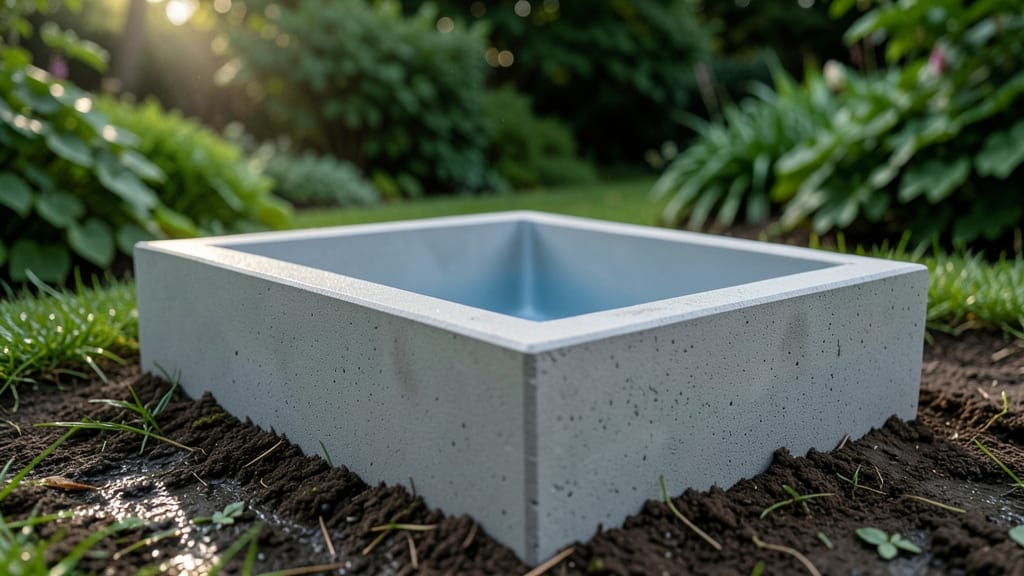
Drowning in moisture problems? A pre-cast concrete raised bed mold with integral waterproofing is your all-in-one solution—these factory-sealed units arrive with built-in moisture barriers, eliminating the guesswork of DIY waterproofing and saving you hours of labor down the road.
Unlike traditional concrete that requires separate waterproofing membranes or sealants, these molds feature integrated waterproofing layers during manufacturing, creating a seamless barrier against seepage. Ideal for basements, patios, or low-lying garden areas, they prevent mold growth and soil erosion while maintaining structural integrity. Simply assemble the pre-cast panels (like giant puzzle pieces) and fill with soil—no extra treatments needed.
Perfect for urban gardeners or anyone short on time, these molds cut installation time by 50%+ while delivering professional-grade durability. Your plants will stay happy in stable, dry conditions—no more soggy roots or crumbling edges! 🌱
Bamboo Reinforcement Concrete Raised Bed Mold
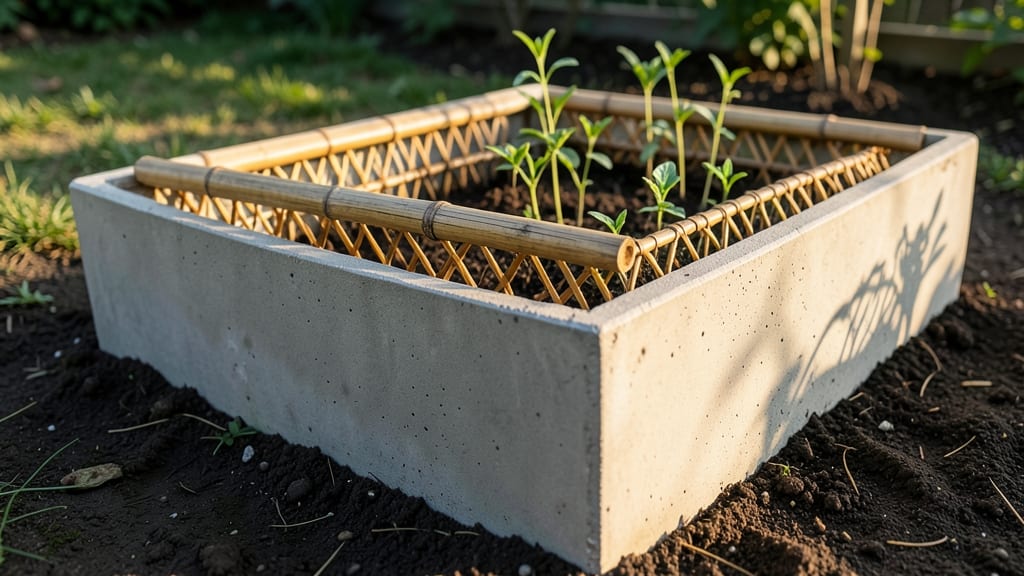
Want a concrete raised bed that’s as kind to the planet as it is to your plants? Bamboo reinforcement offers a zero-synthetic solution that blends natural strength with eco-conscious gardening. Unlike steel or fiberglass, bamboo fibers absorb shock while adding natural insulation, keeping roots cooler in summer and warmer in winter—perfect for organic gardeners who prioritize sustainability.
Simply chop bamboo into ½-inch strips and weave them into your concrete mold before pouring. The fibers create a self-reinforcing lattice that reduces cracks by up to 60% while improving thermal regulation. For best results, mix 10% bamboo fibers by volume into your concrete batch—no special tools required. This method also resists mold growth better than untreated concrete, thanks to bamboo’s natural antimicrobial properties.
Ideal for small-scale permaculture gardens or urban homesteaders, this approach lets you build durable beds without synthetic additives. Your soil—and the planet—will thank you for the long-term, low-impact upgrade. 🌿
Polypropylene Fiber Concrete Raised Bed Mold

Looking to build commercial-grade raised beds that outlast seasonal wear and tear? A polypropylene fiber concrete mold transforms your concrete mix into a self-reinforcing powerhouse, eliminating the shrinkage cracks that plague standard concrete and turn beds into a maintenance nightmare.
These ultra-fine synthetic fibers—typically 0.25% to 0.5% by volume of your concrete mix—create a three-dimensional reinforcement network that absorbs tension from drying, temperature shifts, and ground movement. Unlike steel or mesh, polypropylene fibers distribute stress evenly throughout the concrete, reducing cracks by up to 95% while improving impact resistance. For large-scale projects (think agricultural plots, community gardens, or nursery beds), this means fewer repairs, longer lifespans, and beds that stay intact under heavy use. Simply blend the fibers into your mix before pouring—they’re lightweight, non-corrosive, and easy to work with.
This method is a game-changer for commercial growers, landscape contractors, or anyone tackling massive garden projects. The upfront cost is offset by decades of crack-free performance, making it the smartest investment for high-volume gardening. Your beds will stay sturdy enough to handle year-round planting and heavy machinery—no more patching or replanting due to structural failure! 🌟