
Vegetables
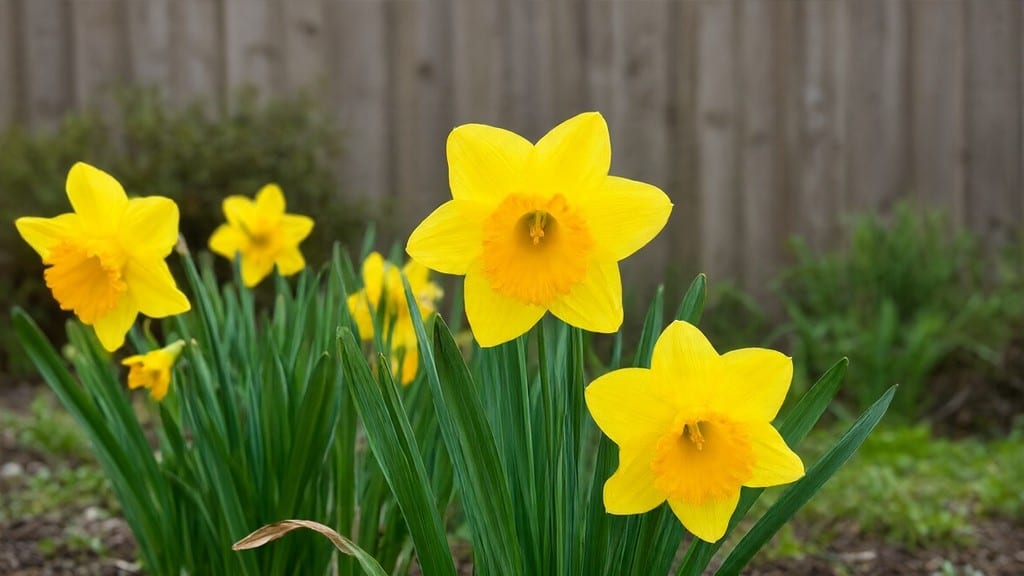
Gardens with daffodils turn even the dreariest winter landscape into a bold statement of spring—and once planted, they multiply into golden carpets that outlast any other spring bulb. 🌱 I’ve watched my own clumps triple in size over five years, their trumpet-shaped blooms pushing through snow to announce the season’s arrival with unmatched reliability.
The magic lies in their low-maintenance nature: they thrive in full sun or partial shade, tolerate poor soil, and come back stronger every year.
Pair them with early-blooming perennials like hellebores or fritillaries for layered color, or let them naturalize under fruit trees where their early pollinators won’t compete with blossoms. Even in rocky soil or between stepping stones, they’ll return season after season.
What you’ll end up with is a garden that wakes up before everything else—bright yellows, whites, or oranges lighting up the landscape when little else is green. The scent is subtle but cheerful, and the effect is pure spring magic without the fuss of annuals.
Plus, they’re deer-resistant, which means fewer battles over your early blooms.
Whether you’re designing a cottage-style border, a pollinator-friendly meadow, or just brightening up a dull corner of the yard, daffodils deliver instant impact with zero effort. Here’s how to make them the star of your spring show—without the work of cut flowers or the upkeep of annuals.
📚 In This Guide
- What you need
- Instructions
- Tips and common mistakes
- Wrapping up and next steps
What you need
- ● Daffodil bulbs: Choose Narcissus varieties (e.g., 'Tête-à-Tête,' 'Ice Follies,' or 'Jersey'). Buy 10–20 bulbs for a small garden bed or 50+ bulbs for a bold display.
- ● Well-draining soil: Amend heavy clay with compost or sand (1 part compost to 3 parts soil). Aim for a pH of 6.0–7.0.
- ● Organic fertilizer: A balanced 10-10-10 or bulb-specific fertilizer (e.g., 5-10-10) to boost blooms.
- ● Mulch: 2–3 inches of shredded bark, pine straw, or straw to retain moisture and suppress weeds.
- ● Garden trowel or bulb planter (for precision planting).
- ● Garden fork or shovel (to loosen soil).
- ● Measuring tape or ruler (for spacing bulbs 4–6 inches apart).
- ● Gloves (to protect hands from thorns or sharp soil).
- ● Watering can or hose with a gentle spray nozzle (daffodils hate soggy roots!).
- ● Decorative rocks or edging (to frame beds and deter critters).
- ● Slow-release fertilizer spikes (for hands-off nutrition).
- ● Bird netting (if squirrels or deer are a problem—daffodils are toxic to them!).
- ● Companion plants: Try grape hyacinths, crocuses, or ferns for layered color.
How to design a naturalizing daffodil garden
Here's the foolproof method I've used to create drifts of daffodils that multiply yearly and bloom like clockwork.
🌱 Step 1: Select the Perfect Planting Site
Daffodils thrive in full sun—at least 6 hours daily—but tolerate light shade in hot climates. I always choose spots with well-draining soil because bulbs rot in soggy conditions. Avoid low-lying areas where winter water pools. Test drainage by digging a 6-inch hole, filling it with water, and timing how long it takes to drain: under 1 hour is ideal.
This is the moment that matters: pH matters less than drainage, but slightly acidic to neutral (6.0-7.0) ensures vibrant blooms. Amend heavy clay with 2-3 inches of compost mixed into the top 12 inches of soil. I mark potential planting areas with flags so I don’t forget—daffodils spread slowly at first, and patience pays off.
🪴 Step 2: Plant Bulbs at the Right Depth and Spacing
Use 3-inch deep holes, spaced 4-6 inches apart in rows 8-12 inches apart. Plant bulbs with their pointy ends up—this ensures they grow straight. I like to plant in clusters of 5-7 bulbs for a natural look, mimicking how they’d grow in the wild. Cover with 2 inches of soil and water deeply to settle everything.
Don’t skip the watering—new roots need moisture to establish before dormancy. If planting in fall, aim for 4-6 weeks before the first hard frost. In warmer climates, plant in late fall or early winter when soil temps drop to 60°F or below. Overcrowding now leads to weak blooms later, so resist the urge to pack them tightly.
☀️ Step 3: Mulch and Protect Through Winter
Spread 2-3 inches of mulch (like shredded bark or leaves) over the planting area to insulate bulbs and retain moisture. This prevents soil heaving in freeze-thaw cycles, which can expose bulbs to cold. I use pine straw because it breaks down slowly and adds organic matter as it decomposes.
In zones with sub-zero winters, add a 4-inch layer of straw mulch for extra protection. Remove mulch in early spring once shoots emerge—never mulch after growth starts, or you’ll smother new foliage. The goal is to shield roots from extremes, not suffocate them.
✂️ Step 4: Encourage Naturalization and Maintenance
Let foliage yellow naturally after blooming—6-8 weeks of photosynthesis fuels next year’s flowers. I resist the urge to cut back too soon; weak stems mean fewer blooms next spring. Once leaves brown completely, trim them at the base but leave the bulb in the ground. Daffodils multiply underground, and undisturbed bulbs spread faster.
Fertilize once a year in early fall with a balanced bulb fertilizer (like 10-10-10) applied 2 inches away from the planting area. Over-fertilizing leads to lush foliage but fewer blooms. After 3-4 years, you’ll see natural drifts forming—this is the magic of daffodils. They’re the only spring bloomers that truly naturalize without intervention.
🌿 Step 5: Divide and Expand Over Time
After 5-7 years, dig up clumps in early fall when foliage fades. Split bulbs with a clean knife, discarding soft or shriveled ones. Replant healthy offsets immediately in their new spots—daffodils hate being left out of the ground. I always mark new areas with biodegradable flags so I remember where I’ve planted.
This is where it gets fun: each bulb produces 2-3 offsets yearly, so a single planting can become a 50-bulb drift in a decade. The key is patience—daffodils take 2-3 years to reach peak bloom, but once established, they’re low-maintenance, deer-resistant, and come back bigger every year. That’s the power of naturalizing perennials.
Tips & tricks for perfect naturalizing daffodil gardens
Creating drifts of daffodils that multiply year after year is all about the details—here's what I've learned after years of trial and error.
Soil Drainage Test: That 6-inch hole test in Step 1 is non-negotiable. I've seen daffodils rot in soggy soil within weeks, no matter how healthy they looked at planting. If water doesn't drain in under an hour, amend with 2-3 inches of coarse sand mixed into the bottom of the hole before planting. The roots need oxygen just as much as water.
Planting Clusters: The clusters of 5-7 bulbs in Step 2 create that magical natural look, but spacing matters just as much. I always measure between the outer edges of the clusters, not the centers—this prevents overcrowding as they spread. Think of them as little islands rather than single plants.
Winter Protection Strategy: In sub-zero zones, that extra 4-inch straw mulch layer makes all the difference. I've seen bulbs survive -20°F winters with this protection, but without it, they heave out of the ground. The key is to add it before the first hard frost, not after—once the ground freezes, it's too late to help.
Foliage Timing: Those 6-8 weeks of yellow foliage in Step 4 are absolutely critical. I've cut stems too soon after blooming, and the next year's flowers were half the size. The leaves are the plant's energy factory—don't rob it of its power source before it's ready to store energy for next spring.
Pro Tips for Gardens With Daffodils
- Creating drifts of daffodils that multiply year after year is all about the details—here's what I've learned after years of trial and error.
- Soil Drainage Test: That 6-inch hole test in Step 1 is non-negotiable.
- Planting Clusters: The clusters of 5-7 bulbs in Step 2 create that magical natural look, but spacing matters just as much.
Frequently asked questions
Got questions about growing and maintaining daffodils in your garden? Here are some of the most common ones—plus expert tips to keep your spring blooms thriving for years!
When is the best time to plant daffodils for spring blooms?
Plant daffodils in fall, about 6–8 weeks before the ground freezes (typically October–November in most U.S. zones). This gives bulbs time to root before winter, ensuring vibrant spring blooms. Avoid planting in summer or early fall—they need cold dormancy to thrive!
How do I keep daffodils coming back every year?
Daffodils are perennial and will naturalize over time, but a few tricks help:
- Leave foliage until it yellows and dies back (6–8 weeks after blooming) to feed the bulb.
- Plant bulbs in well-draining soil (they hate soggy roots!).
- Divide crowded clumps every 3–5 years in late summer.
Are daffodils deer- or rodent-proof?
Yes! Daffodils are toxic to deer, rabbits, and squirrels thanks to their bitter taste. The bulbs contain lycorine, a natural deterrent. Plant them near high-traffic areas to protect other plants—your garden (and critters!) will thank you.
What can I plant with daffodils for a fuller garden?
Pair daffodils with complementary perennials for a low-maintenance, long-blooming display:
- Early spring: Crocuses, hellebores, or grape hyacinths.
- Mid-season: Tulips, bleeding hearts, or ferns.
- Late spring/summer: Daylilies, catmint, or ornamental grasses.
Why aren’t my daffodils blooming this year?
No blooms? Check these fixes:
- Not enough sun: Daffodils need 6+ hours of sunlight daily.
- Overwatering: Bulbs rot in soggy soil. Water only when the top inch is dry.
- Young bulbs: Give them 2–3 years to establish before expecting flowers.
- Nutrient deficiency: Add bone meal in fall for a phosphorus boost.
Wrapping up and next steps
Transforming your garden into a daffodil haven is easier than you think—and the rewards are endless! 🌼 These cheerful blooms not only brighten up spring but also thrive with minimal effort, naturalizing year after year.
Whether you’re a seasoned gardener or just starting, the key is to embrace their resilience and let them work their magic.
Ready to dive in? Start small—plant a few bulbs this fall, and watch your garden burst into color next spring. Need inspiration? Sketch a simple layout, gather your supplies, and let nature do the rest! 🌱
Your future self (and your happy daffodils) will thank you!