
Pruning
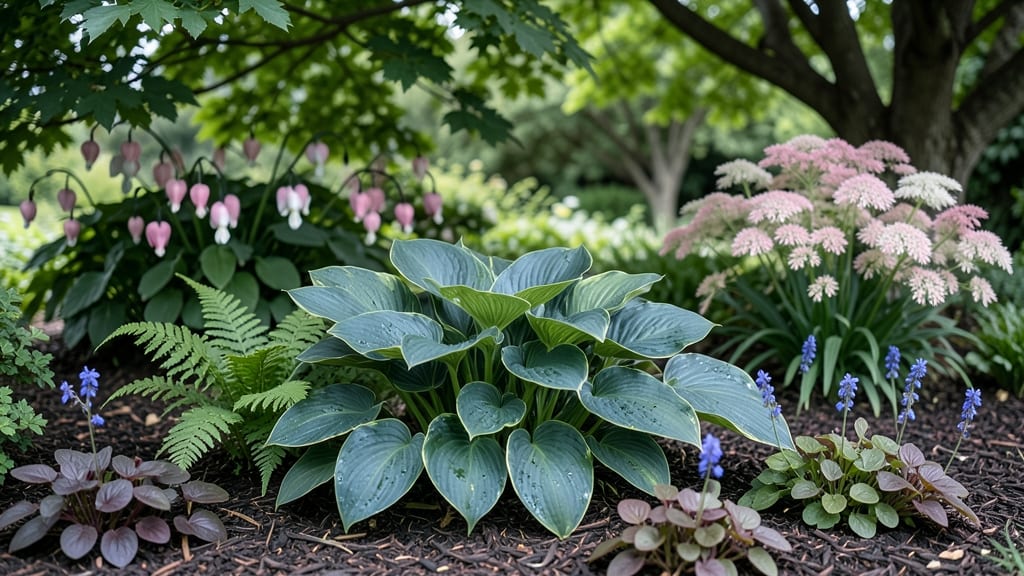
Creating a flower bed under tree isn’t about fighting for light—it’s about embracing the dappled magic. 🌿 I’ve turned my shady corner into a lush, low-maintenance garden where hostas, ferns, and bleeding hearts thrive where others fail.
The key? Choosing plants that love shade and knowing how to prep the soil so roots don’t compete with the tree’s hungry system.
Start with a 3-inch layer of mulch to keep moisture in and weeds out, then mix in compost to give plants a nutrient boost without overwhelming the tree. Space plants 12-18 inches apart—closer for ground covers like ajuga, wider for larger perennials like astilbe.
Avoid digging too deep; tree roots are shallow and spread far, so keep your bed’s edges 6-12 inches away from the trunk.
You’ll end up with a garden that feels like a secret retreat—soft textures, velvety leaves, and bursts of color when others fade. The best part? Once established, these plants need far less watering than sunny beds, and they’ll reward you with blooms from spring through fall.
Think of it as a no-fuss, high-impact upgrade to your yard’s shadiest spot.
Works for any mature tree—oak, maple, or even a sprawling pine—just adjust mulch depth based on your climate. Here’s how to make it happen without stressing the tree (or your back).
📚 In This Guide
- What you need
- Instructions
- Tips and common mistakes
- Wrapping up and next steps
What you need
- ● Soil amendments: 2–3 bags (10–20 lbs each) of compost or well-rotted manure
- ● 1 bag (10–15 lbs) of peat moss or coconut coir (for moisture retention)
- ● 1 bag (10–15 lbs) of pine bark fines or perlite (for aeration)
- ● Mulch: 2–3 cubic feet of wood chips or pine straw (to suppress weeds and retain moisture)
- ● Plants (shade-tolerant varieties): 5–10 hostas, heucheras, or bleeding hearts (partial shade lovers)
- ● 3–5 ferns (e.g., maidenhair or ostrich fern) for texture
- ● 1–2 shade-loving perennials (e.g., astilbe or foamflower)
- ● Hand tools: 1 garden trowel (for digging small holes)
- ● 1 pruners (for trimming plants or tree roots if needed)
- ● 1 garden fork (to loosen compacted soil)
- ○ Optional (but helpful): 1 wheelbarrow (for hauling mulch/soil)
- ● 1 hose with spray nozzle (for gentle watering)
- ● 1 landscape fabric (to block weeds if mulching)
Step-by-step guide to creating a stunning flower bed under a tree
Here's how to transform that tricky shaded spot into a vibrant, low-maintenance garden oasis.
🌱 Step 1: Assess the Light and Soil Conditions
First, observe your tree's canopy during different times of day to understand the light patterns. Most trees create dappled light—bright spots that move as the sun shifts. Note which areas receive 2-4 hours of direct sun (ideal for shade-tolerant flowers) versus deeper shade (better for ferns or hostas). Dig a small hole in the bed to check soil moisture—if it stays damp for days, your spot has poor drainage.
I like to test the soil's acidity with a simple kit too. Many shade-loving flowers prefer slightly acidic to neutral soil (pH 6.0-7.0). If your soil is heavy clay or very sandy, you'll need to amend it later—just note the texture now. This step prevents costly mistakes later when plants struggle to thrive.
✂️ Step 2: Clear and Prepare the Space
Remove any weeds, grass, or debris from the area using a garden fork or trowel. Work in sections about 2 feet wide to avoid exhausting yourself. I recommend pulling weeds when the soil is moist (after watering) so they come out cleaner. If you hit rocks or roots, mark their location with flags—you'll want to avoid disturbing them when planting.
Once cleared, loosen the top 6 inches of soil with a garden fork, breaking up any compacted layers. This improves root penetration and drainage. If your soil is very dense, mix in 2-3 inches of compost (from your materials) to enrich it naturally. Spread it evenly and fork it in gently—don't pile it; you want a gradual blend.
🌿 Step 3: Choose the Right Plants for Your Light Conditions
For partial shade (2-4 hours of sun), select flowers like bleeding heart, astilbe, or ferns that thrive in dappled light. If your spot is deep shade, opt for hostas, lungwort, or Japanese painted ferns. I always group plants with similar light needs together—this creates a cohesive look and ensures each plant gets the right conditions.
Space plants according to their mature size. Most shade perennials need 12-24 inches apart for proper airflow. Dig holes twice as wide as the root ball but only as deep as the container's root level. This prevents burying stems too deep, which can cause rot. Water each plant deeply after planting to settle the soil around the roots.
💧 Step 4: Mulch and Establish a Watering Routine
Apply 2-3 inches of mulch (like shredded bark or pine needles) over the soil surface, keeping it 2 inches away from plant stems to prevent rot. Mulch retains moisture, regulates soil temperature, and suppresses weeds. I use a light-colored mulch in shaded areas because it reflects what little light reaches the plants.
Water deeply 2-3 times per week for the first month, then taper to once a week once established. Check moisture by sticking your finger 1 inch into the soil—if it's dry, water again. Avoid overhead watering in the evening to prevent fungal diseases. Most shade plants prefer consistent moisture but hate soggy roots, so adjust based on rainfall.
☀️ Step 5: Maintain and Enjoy Your Shade Garden
Fertilize lightly in early spring with a balanced, slow-release fertilizer (like 10-10-10) to support new growth. Shade plants grow slower than sun-lovers, so they don’t need heavy feeding. Remove spent blooms regularly to encourage more flowers and keep the bed looking tidy. I also prune any leggy or overgrown foliage in late summer to maintain shape.
Watch for pests like slugs or aphids—shade gardens can attract them due to higher humidity. If you spot damage, treat with neem oil or insecticidal soap early. After the first year, your bed should establish well, requiring minimal care. Step back and enjoy the serene, colorful space you’ve created under that tree!
Tips & tricks for perfect shade garden planting
Here's what I learned after transforming my own shady garden spots—these little details make all the difference.
Light Mapping: I can't stress enough how important it is to map your light patterns before planting. Use a simple whiteboard or sketchpad to mark the areas that get 2-4 hours of sun during different times of day. This helps you visualize where to place sun-lovers versus shade-tolerant plants. I made the mistake of planting bleeding heart in deep shade once—it struggled terribly until I moved it to a sunnier spot under the tree's dappled light.
Soil Test Savior: Don't skip the soil test! I've seen many gardeners assume their soil is fine, only to plant shade-loving flowers that fail because the pH was way off. Aim for that slightly acidic to neutral range (pH 6.0-7.0) for most shade plants. If your soil is clay-heavy, mix in compost gradually—don't dump it all at once. I learned this the hard way when my hostas wilted after I over-amended with compost.
Planting Depth: When planting perennials, dig holes twice as wide as the root ball but only as deep as the container's root level. Burying stems too deep causes rot, while planting too shallow exposes roots to drying out. I always check the root flare (where roots meet stem) to make sure it's just above soil level. This small detail prevents so many common planting failures.
Mulch Magic: Use light-colored mulch like pine straw or shredded bark in shaded areas—it reflects what little light reaches your plants. Keep that 2-3 inch layer but maintain a 2-inch gap around stems to prevent rot. I've seen many gardeners pile mulch right against stems, which actually suffocates the plant. A proper mulch ring creates a moisture barrier that helps shade plants thrive.
Pro Tips for Flower Bed Under Tree
- Here's what I learned after transforming my own shady garden spots—these little details make all the difference.
- Light Mapping: I can't stress enough how important it is to map your light patterns before planting.
- Soil Test Savior: Don't skip the soil test!
Frequently asked questions
Got questions about creating a stunning flower bed under tree? You’re not alone! Here are some of the most common concerns—and their solutions—to help you design with confidence.
What are the best flowers for a dappled-light flower bed?
Choose shade-tolerant perennials like heuchera (coral bells), hostas, astilbes, or bleeding hearts. For color, try impatiens, begonias, or foxgloves. Avoid sun-lovers like marigolds or lavender—they’ll struggle in low light. Pro tip: Mix evergreens (like ferns or ivy) for year-round texture!
When is the best time to plant a flower bed under a tree?
Spring or early fall are ideal—soil is warm enough for roots to establish, but summer heat and winter frosts won’t stress new plants. Avoid planting in late summer or winter, as extreme temps can stunt growth. Pro tip: If your tree has shallow roots (like oaks), wait until after its peak growth season to minimize competition.
How do I protect my flower bed from tree roots?
Use root barriers (buried plastic or metal sheets) if roots are aggressive, or mulch heavily (3–4 inches) to discourage spread. For established trees, create a raised bed with compost-rich soil to give flowers a nutrient boost. Pro tip: Avoid piling mulch against the tree trunk—keep it 6+ inches away to prevent rot.
Can I use annuals in a dappled-light bed?
Annuals like impatiens, coleus, or caladiums thrive in shade and offer quick color. Just replant them yearly. For longer-term beauty, pair annuals with perennials (e.g., heuchera + impatiens). Pro tip: Deadhead spent blooms to encourage more flowers all season.
Why are my flowers wilting or yellowing under the tree?
Common causes: too much shade (move sun-loving plants), root competition (add mulch or barriers), or poor drainage (amend soil with compost). Check for pests (like slugs) or fungal issues (yellow spots = overwatering). Pro tip: Water deeply but less frequently—shade-loving plants hate soggy roots!
How can I add height and texture to my under-tree bed?
Layer plants by height: tall grasses (like carex) or ornamental grasses at the back, medium shrubs (e.g., hydrangeas) in the middle, and low ground covers (like ajuga) in front. Add focal points with containers or a small sculpture. Pro tip: Ferns and heleborus add lush texture without stealing light!
Wrapping up and next steps
Creating a flower bed under tree is a rewarding way to transform shady spaces into lush, vibrant gardens—even with dappled light! 🌿 By choosing the right plants, preparing the soil, and maintaining your bed, you’ll craft a thriving oasis that adds elegance and life to your outdoor space.
The key is patience and the right selection; soon, your shade garden will be the envy of the neighborhood.
Ready to take the next step? Start small: pick one or two shade-loving plants to test your new flower bed, and expand as you gain confidence. Happy gardening—your garden awaits! 🌸