
Landscaping
Maximize your backyard harvest without expanding your space. These 10 innovative garden bed layouts prove that small areas can yield big results—whether you're growing vegetables, herbs, or flowers—using creative designs and smart planting techniques.
Raised Bed Vegetable Spirals
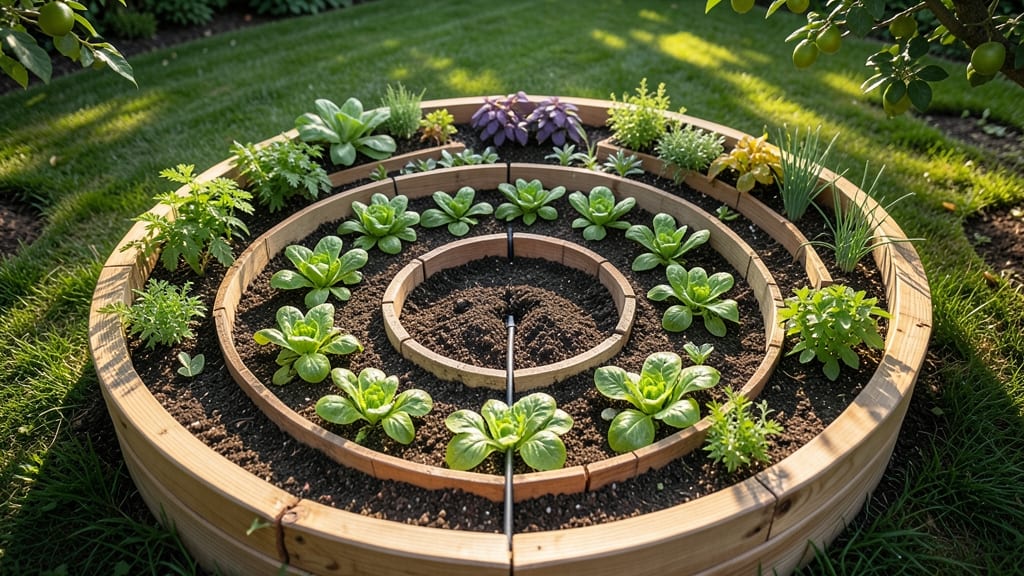
Turn your small backyard into a high-yield garden with raised bed vegetable spirals—a space-saving design that grows more in less room. These spiraling paths create a natural gradient of soil depth, perfect for shallow-rooted crops like lettuce, spinach, and herbs while reducing water waste by keeping plants closer together.
Start by shaping your bed in a spiral or circular pattern, using bricks or stones to create raised edges. Plant taller crops like basil or Swiss chard in the center, where soil is deeper, and shorter greens like arugula or microgreens toward the outer edges. The spiral design also makes harvesting easier—no more bending over! Mulch with straw to retain moisture and suppress weeds, ensuring your plants thrive with minimal effort.
This design is a game-changer for urban gardeners, beginners, or anyone with limited space—it’s efficient, beautiful, and packed with flavor. 🌱
Keyhole Garden Beds
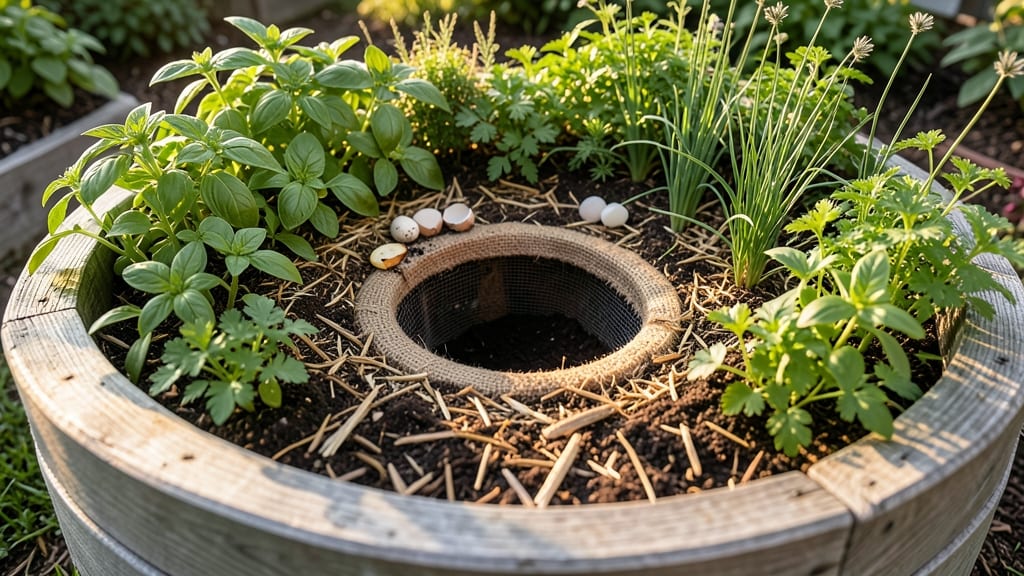
Tired of hauling compost bags to your garden beds? The keyhole garden bed solves that with a built-in compost hub at its center, turning waste into instant fertility while you harvest. This circular design minimizes water waste by keeping soil moisture trapped near the roots of your plants.
The secret lies in the central compost basket—simply add kitchen scraps, grass clippings, or fallen leaves, and the nutrients slowly enrich the soil as you harvest. It’s perfect for tropical plants like peppers and eggplants or high-yield crops such as tomatoes and bush beans. The circular shape also allows you to reach every plant without stepping on the soil, keeping it compact and weed-free.
This low-maintenance design is ideal for urban gardeners, small backyards, or anyone who wants to reduce waste while boosting harvests. Plus, the compost hub means you’ll never run out of rich soil again! 🌱
Vertical Pallet Herb Gardens
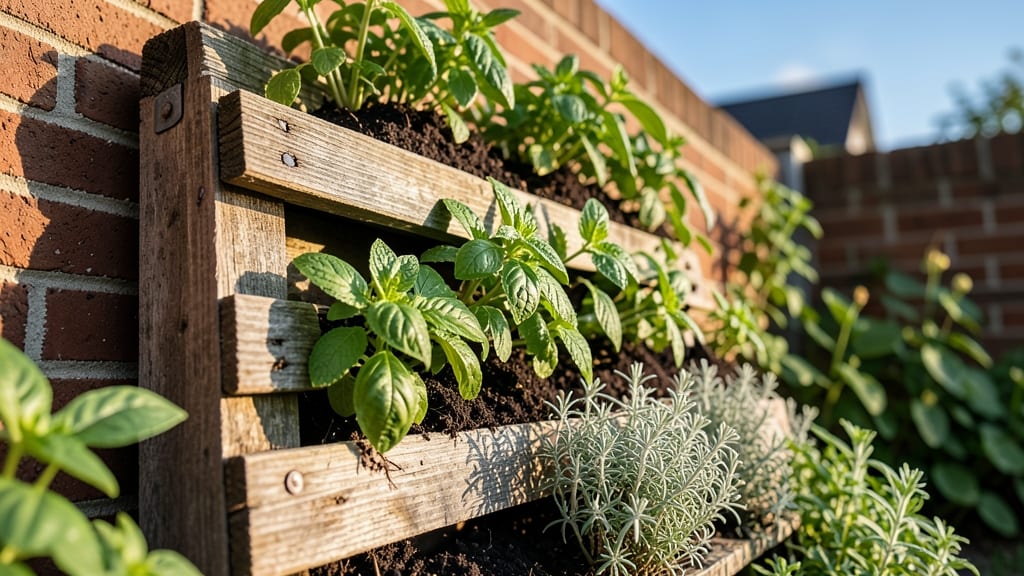
Turn clutter into a culinary garden with a vertical pallet herb garden—a brilliant way to reclaim unused wall space or fences in urban backyards. This DIY project repurposes old wooden pallets into a space-saving growing system perfect for sun-loving herbs like basil, mint, and thyme.
Start by sanding and sealing the pallet to prevent splinters, then line the slats with landscape fabric to retain moisture. Fill the gaps with well-draining potting mix and plant your herbs in rows or clusters, ensuring each variety has enough room to spread. Hang the pallet with sturdy brackets or lean it against a fence—no ground space required! For best results, place it in a spot with at least 6 hours of sun and water deeply 2-3 times per week, adjusting for your climate.
This solution is perfect for urban gardeners, renters, or anyone with limited square footage who still wants fresh herbs within arm’s reach. Plus, the rustic charm adds character to any backyard. 💚
Square Foot Gardening Grids
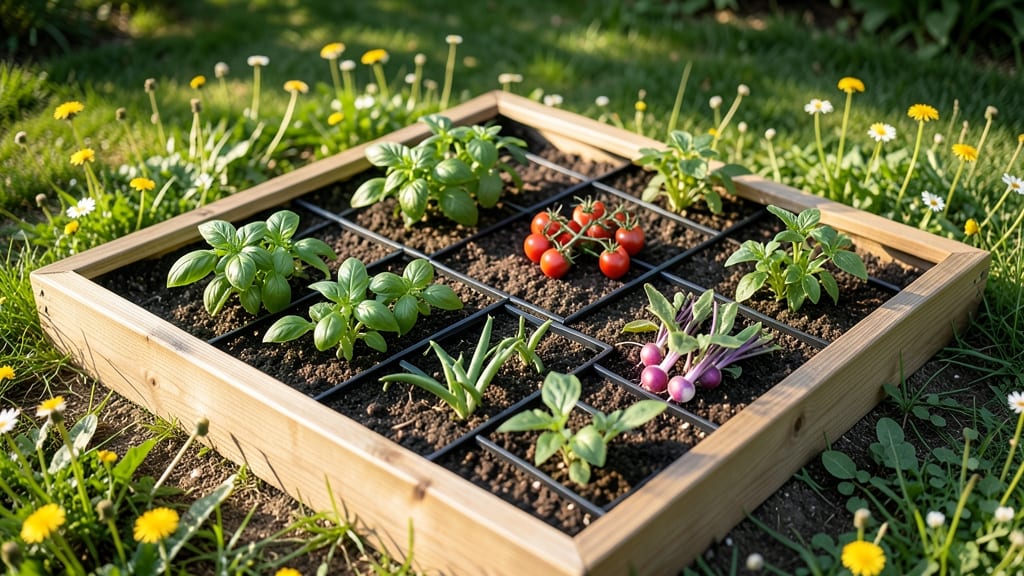
Turn your backyard into a high-yield, organized garden with square foot gardening grids—a system that lets you grow 16 different crops in just a 4x4-foot bed. This isn’t just efficient; it’s beginner-friendly, with clear boundaries that eliminate guesswork about spacing and crowding.
Divide your bed into a 16-square-foot grid (1-foot squares) and plant according to Mel Bartholomew’s classic guide: 1 plant per square for large crops (like tomatoes), 4 plants for medium crops (like carrots), or 16 seeds for tiny ones (like radishes). The system also includes a companion planting chart to boost yields and deter pests naturally. Perfect for urban gardeners or anyone who wants to grow more without expanding their footprint.
This method cuts down on weeds, simplifies irrigation, and makes crop rotation effortless. It’s the ideal solution for those who love structure but still want a bountiful, diverse harvest. 💡
Hügelkultur Mound Beds
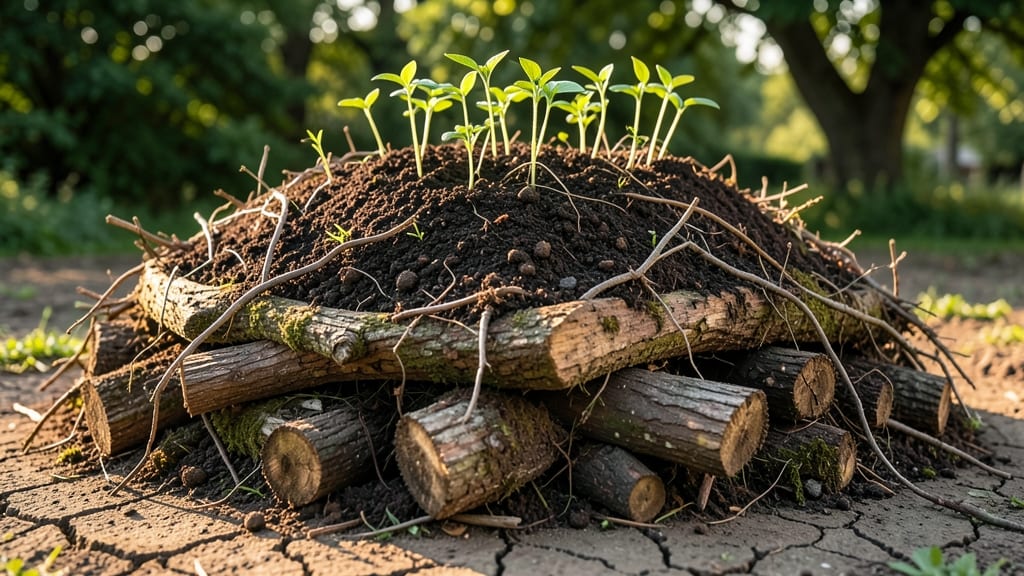
If you’ve ever struggled with poor soil or drought conditions, Hügelkultur mound beds might just be your solution. This German-inspired, no-dig method repurposes buried logs, branches, and compost to create nutrient-rich, moisture-retaining mounds that stay fertile for years—without tilling or disturbing the earth.
Start by piling branches, wood chips, and compost in a long, winding mound (3–4 feet high and wide). Top with mulch and soil, then plant drought-resistant herbs like rosemary or lavender at the base, where moisture lingers, and late-season crops like kale or carrots on top. The decomposing wood slowly releases nutrients, while the structure retains water—ideal for hot, dry climates. Over time, the mound becomes a self-sustaining ecosystem.
Perfect for eco-conscious gardeners or those with rocky, sandy, or compacted soil, these beds require almost no maintenance after setup. Plus, they blend seamlessly into natural landscapes, making them a stealthy yet powerful addition to any backyard. 🌿
Tiered Planter Boxes for Flowers
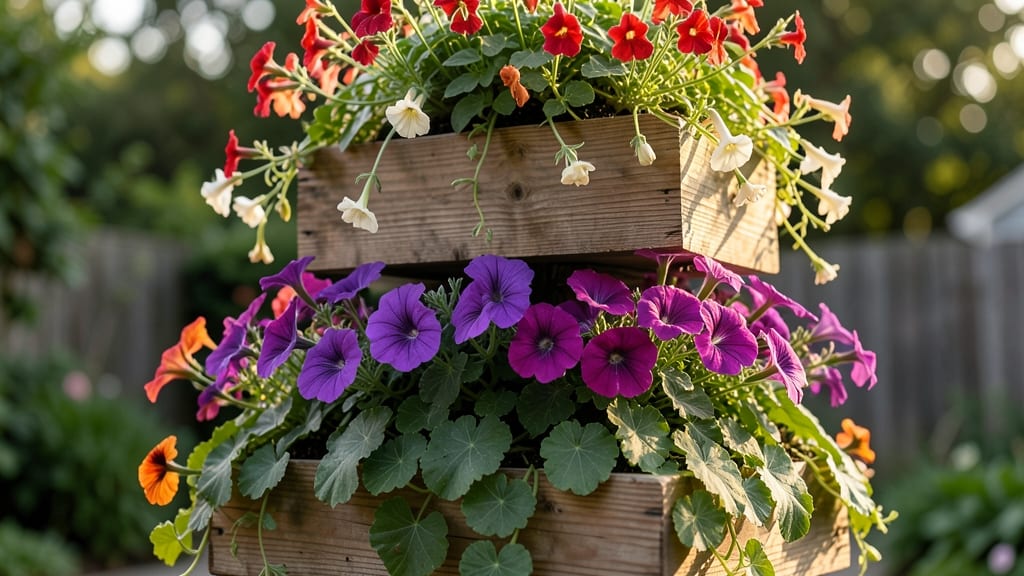
Transform your small backyard into a vibrant vertical oasis with tiered planter boxes—a clever way to grow more flowers in less space. These multi-level designs let you cultivate cascading petunias, cheerful nasturtiums, or trailing snapdragons, all while adding dramatic height and visual interest to your garden. The cascading habit of these plants naturally spills over each tier, creating a lush, layered look that draws the eye upward.
Start by selecting a sturdy, weather-resistant material like cedar or composite wood for your planter box, then divide it into 2-4 tiers using built-in shelves or stacked containers. Fill each level with well-draining potting mix and plant your flowers, spacing them so their trailing stems can spill gracefully over the edges. Place your tiered box in a spot with full sun to partial shade (depending on your flower varieties) and water consistently—trailing plants often need more frequent moisture to keep their stems lush. For extra drama, mix colors like purple petunias with fiery red nasturtiums or soft white snapdragons with deep burgundy foliage.
This design is perfect for urban gardeners, small-space enthusiasts, or anyone who loves a show-stopping focal point. The vertical growth maximizes your footprint while giving pollinators a buffet of blooms—plus, you’ll enjoy months of color without sacrificing precious ground space. 🌻
Lasagna Garden Beds
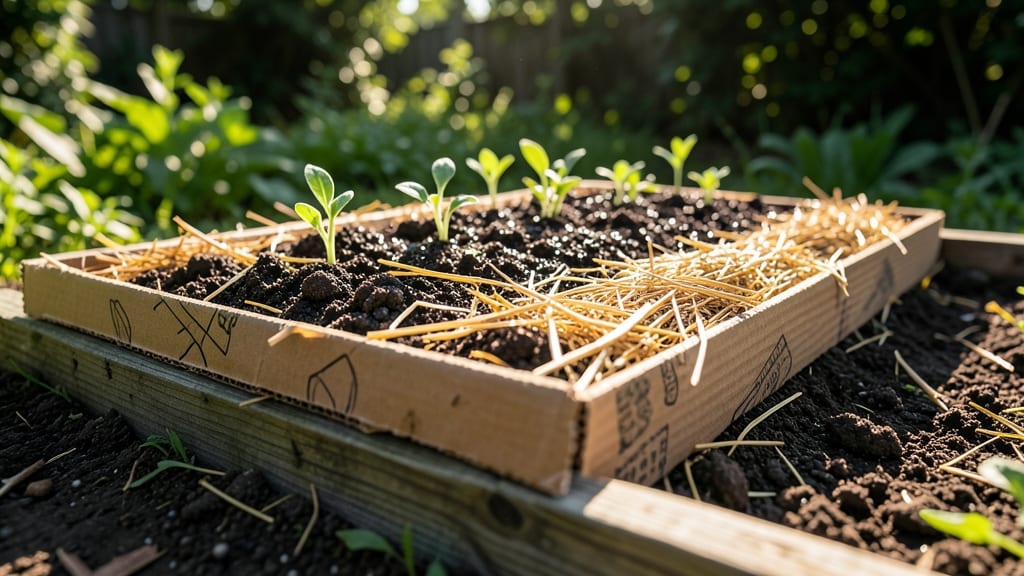
Skip the backbreaking work of tilling and transform your backyard with lasagna garden beds—a no-dig method that builds rich, fertile soil in just a few weeks. This technique uses layers of cardboard, compost, and mulch to create a nutrient-packed bed that mimics the natural decomposition process of a compost pile, but with instant results.
Start by laying down heavy-duty cardboard (no tape or staples) to smother weeds, then add alternating layers of compost, straw, or leaves, and finished compost. Top with 2-3 inches of mulch to retain moisture and prevent erosion. You can plant directly into this bed once the layers settle—perfect for carrots, lettuce, tomatoes, or even flowers. The beauty of this method is that it improves soil quality over time, making it ideal for beginners or poor soil conditions.
This budget-friendly approach requires minimal tools and effort, yet delivers dramatic results. Whether you're reviving a neglected patch of land or starting fresh, lasagna beds turn gardening from a chore into a rewarding process. 🌱
Spiral Herb Garden with Stone Edging
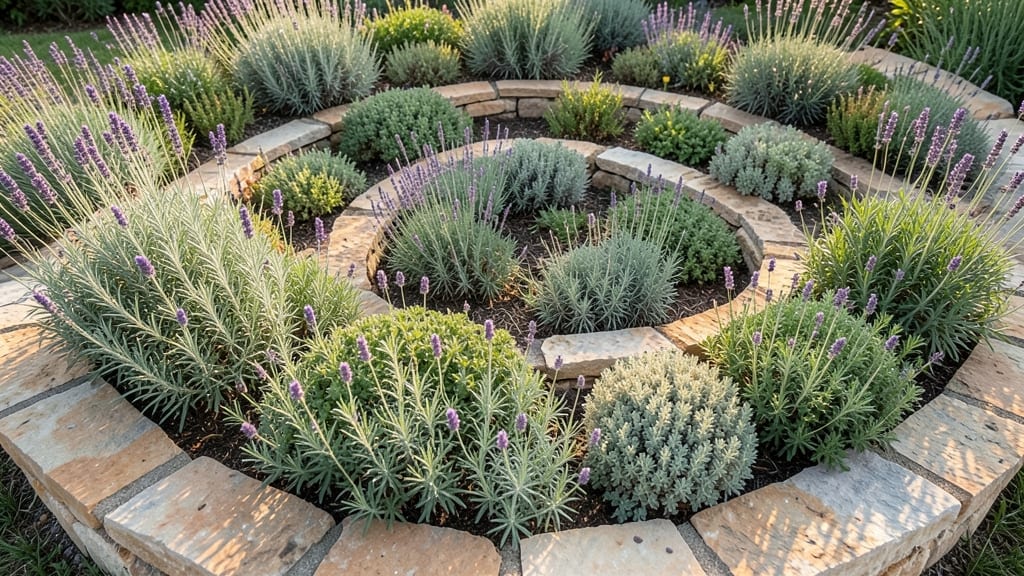
Transform your backyard into a fragrant, low-maintenance oasis with a spiral herb garden framed by natural stone edging. This design blends edible herbs like rosemary and thyme with ornamental varieties such as lavender and oregano, creating a sensory-rich space that’s as beautiful as it is functional.
Start by shaping your bed in a spiral pattern (3–4 feet wide) using a garden hose or string as a guide. Line the edges with flat stones or fieldstone to contain the soil and add rustic charm. Plant taller herbs like rosemary and lavender along the outer curve where they’ll get full sun, while shorter varieties like thyme and chives thrive in the inner spiral. Mulch with gravel or wood chips to suppress weeds and retain moisture—ideal for drought-prone climates or Mediterranean-style gardens.
This design is perfect for cottage garden lovers, pollinator-friendly spaces, or anyone who wants year-round greenery with minimal upkeep. The stone edging also creates a natural barrier against pets or curious children while adding timeless elegance. 🌷
Container Stacking for Compact Veggies
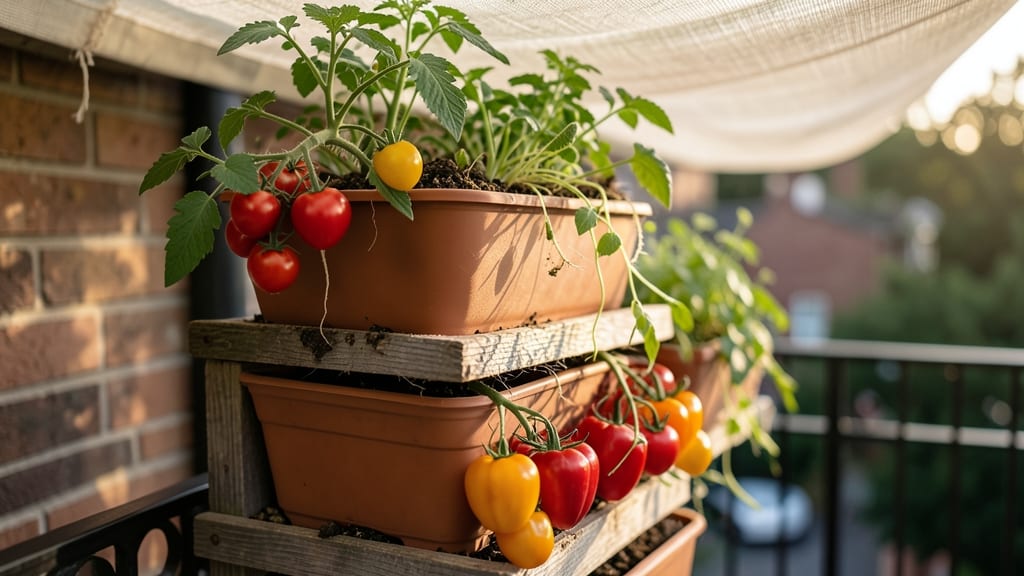
Turn your balcony or tiny backyard into a mini veggie powerhouse with stacked container gardening—a clever way to grow cherry tomatoes, peppers, and bush beans without sacrificing square footage. This vertical approach lets you grow three times as many plants in the same footprint, making it ideal for renters, urban dwellers, or anyone with limited space.
Start with lightweight, durable containers (fabric grow bags or plastic pots with drainage) and stack them using sturdy brackets or a DIY wooden frame. Place the tallest plants—like indeterminate cherry tomatoes—on the bottom for stability, mid-height peppers in the middle, and bush beans on top where they’ll get plenty of light. Use a balanced fertilizer every 2-3 weeks to fuel rapid growth, and water from the top to ensure even moisture distribution. The key is choosing compact varieties that thrive in containers, such as 'Tiny Tim' tomatoes or 'Patio' peppers.
This method is perfect for small-space gardeners who want a bountiful harvest without the footprint—and it’s easy to move around if you need to adjust for sunlight or seasonal changes. Plus, the vertical display adds a modern, functional touch to any patio or balcony. 🌱
Moon Garden Beds with Night-Blooming Flowers

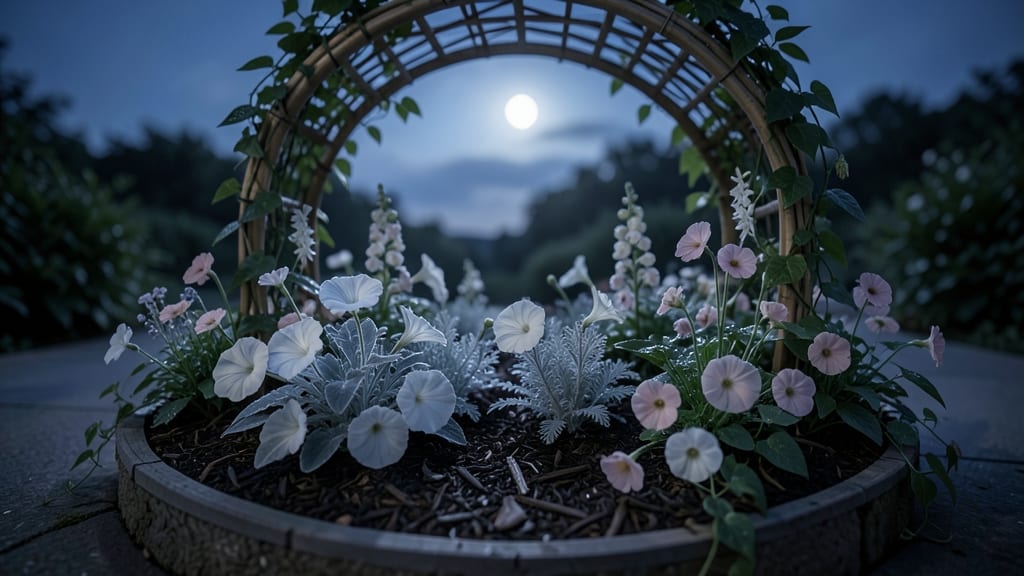
Transform your backyard into an enchanting evening retreat with a moon garden bed—a dedicated space for night-blooming flowers that glow under moonlight and attract pollinators after dark. Unlike daytime gardens, these pale blooms create a serene, almost mystical atmosphere perfect for small spaces where scent and subtle beauty take center stage.
Start with white and silver foliage like lamb’s ear (Stachys byzantina) as a backdrop, then add moonflower (Ipomoea alba), which unfurls its giant white blossoms at dusk, and night-blooming jasmine (Cestrum nocturnum) for its intoxicating fragrance. Pair these with evening primrose (Oenothera biennis) and four o’clocks (Mirabilis jalapa) for vibrant pops of color that emerge as daylight fades. Plant in well-draining soil with partial shade to full sun, and water deeply in the evening to encourage nocturnal blooming.
This design is ideal for romantic gardeners, small-space enthusiasts, or anyone who loves creating twilight ambiance—plus, the extra pollinators will thank you! ✨