
Tools
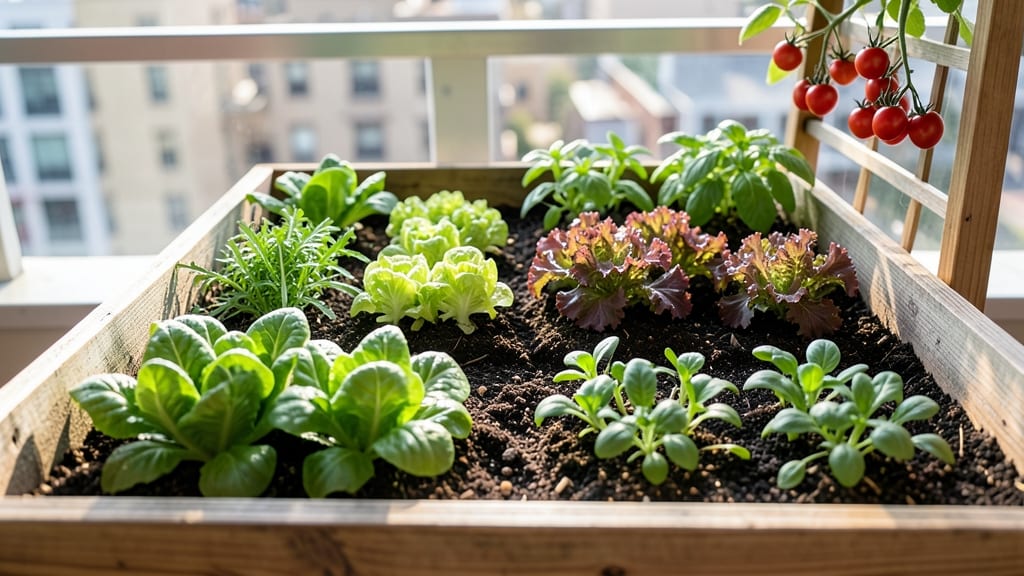
Maximizing small spaces doesn’t mean sacrificing a thriving garden. These 10 raised bed layout ideas prove that even urban balconies and tiny yards can grow lush vegetables, herbs, and flowers with smart design and vertical thinking.
Square Foot Gardening Grid Layout
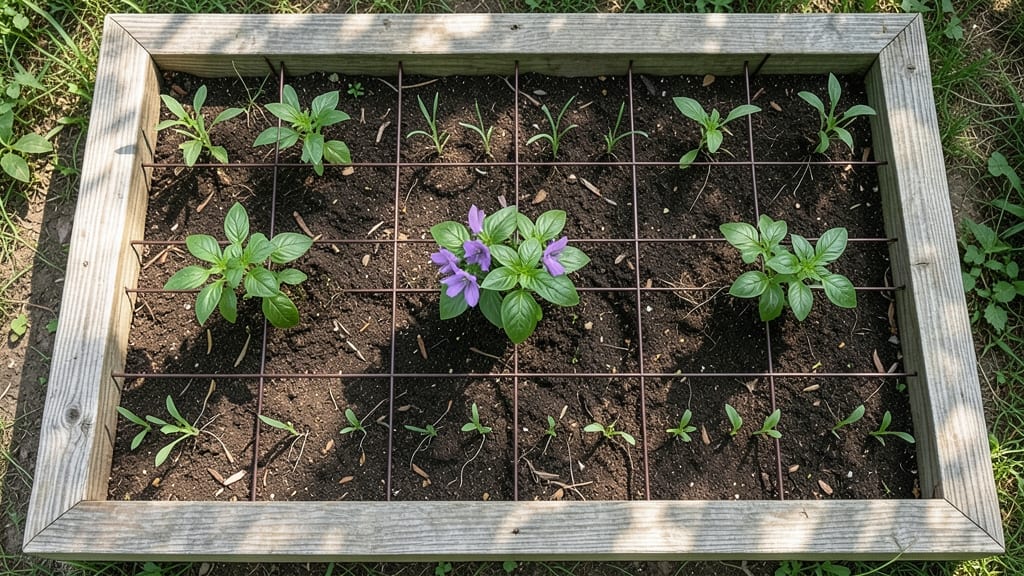
If you’ve ever struggled with overcrowded plants or wasted space in your raised bed, the square foot gardening grid layout is your solution. This method divides your bed into a precise 1-foot grid, allowing you to plant the right number of each crop in every square—no guesswork, no wasted soil.
Developed by gardening expert Mel Bartholomew, this system uses a simple grid (like a checkerboard) where each square holds a specific number of plants based on their mature size. For example, a 16-square tomato plant gets its own square, while 16 lettuces share one. The grid also reduces water waste by keeping plants close together, so you only water what you need. Perfect for beginners or those with limited water access, it’s a game-changer for small plots.
This layout isn’t just efficient—it’s also customizable. Swap out plants seasonally or adjust spacing for larger crops like bush beans or carrots. Whether you’re growing veggies or flowers, the grid ensures every inch of your raised bed works harder. 🌱
Tiered Raised Bed Stacking System
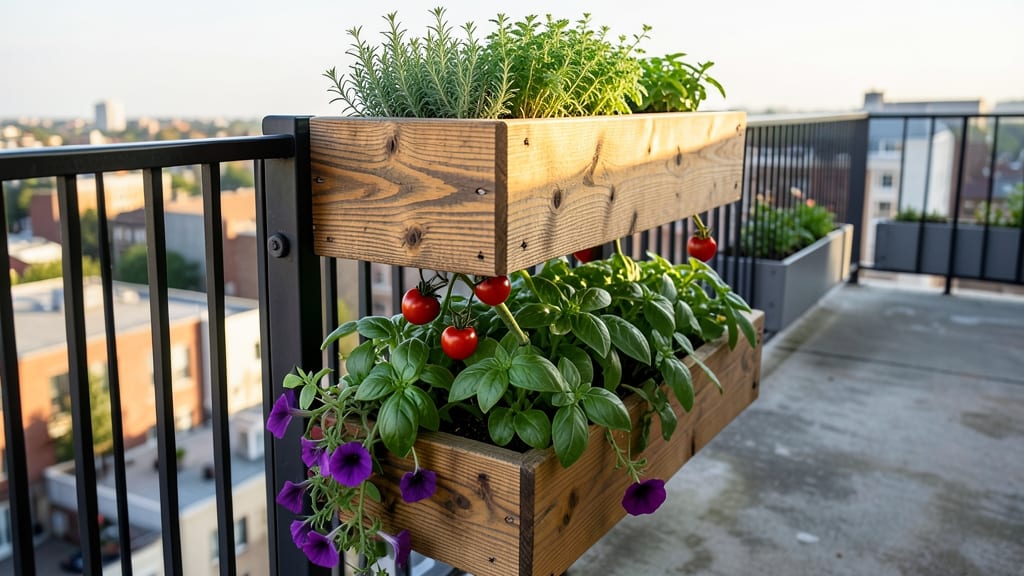
Transform a narrow balcony into a three-dimensional garden with a tiered raised bed stacking system. This vertical solution lets you grow more in less space—ideal for urban dwellers with limited floor area but sturdy railings or decks.
Start with lightweight, rot-resistant cedar or composite beds (12–18 inches deep per tier) and stack them vertically, ensuring each level has drainage holes and weight-bearing support. Plant shallow-rooted crops like lettuce, herbs, and dwarf tomatoes on top tiers where sunlight is brightest, while deeper-rooted veggies like carrots or radishes thrive in the bottom beds. Use succession planting to maximize harvests year-round.
This system is perfect for renters or small-space gardeners who want high yields without sacrificing aesthetics. Plus, the cascading greenery adds a lush, dynamic look to any patio. 🌿
Spiral Herb Garden Design
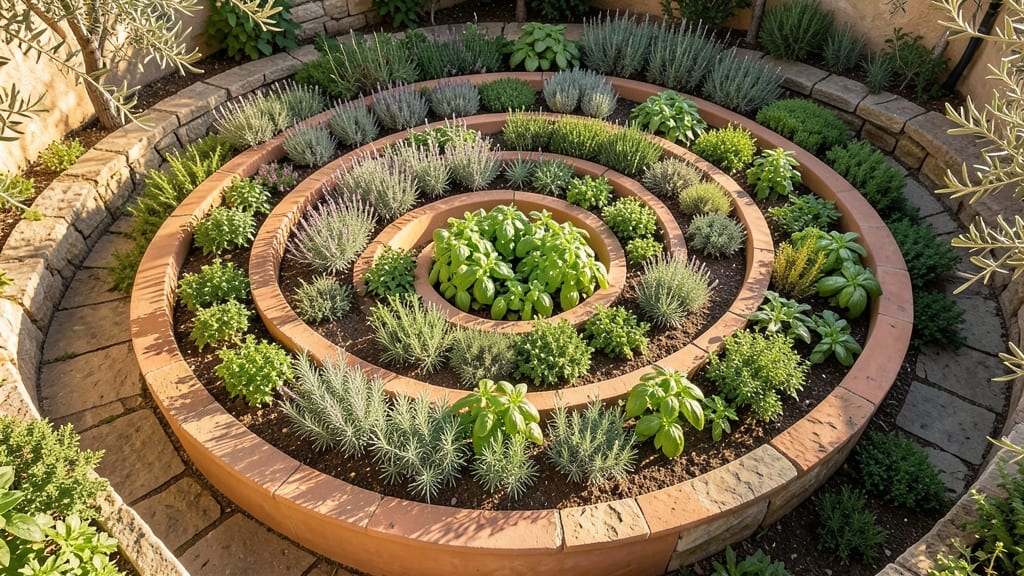
Bring the charm of a Mediterranean courtyard into your small garden with a spiral herb garden design. This elegant layout not only maximizes sunlight exposure for sun-loving herbs but also creates a visually stunning focal point that draws the eye and invites exploration.
Start by building a circular raised bed with a gentle spiral shape, ensuring the center receives at least 6 hours of sun while outer edges get partial shade. Plant drought-tolerant herbs like rosemary and thyme at the center, where they thrive in full sun, then transition to parsley and cilantro along the outer curves. The spiral design naturally directs water toward the center, keeping roots evenly moist without overwatering.
Perfect for urban gardeners or anyone with limited space, this layout transforms a simple raised bed into a fragrant, functional work of art. Plus, the curved edges make harvesting and maintaining your herbs a joy. 🌿
Keyhole Garden with Center Compost
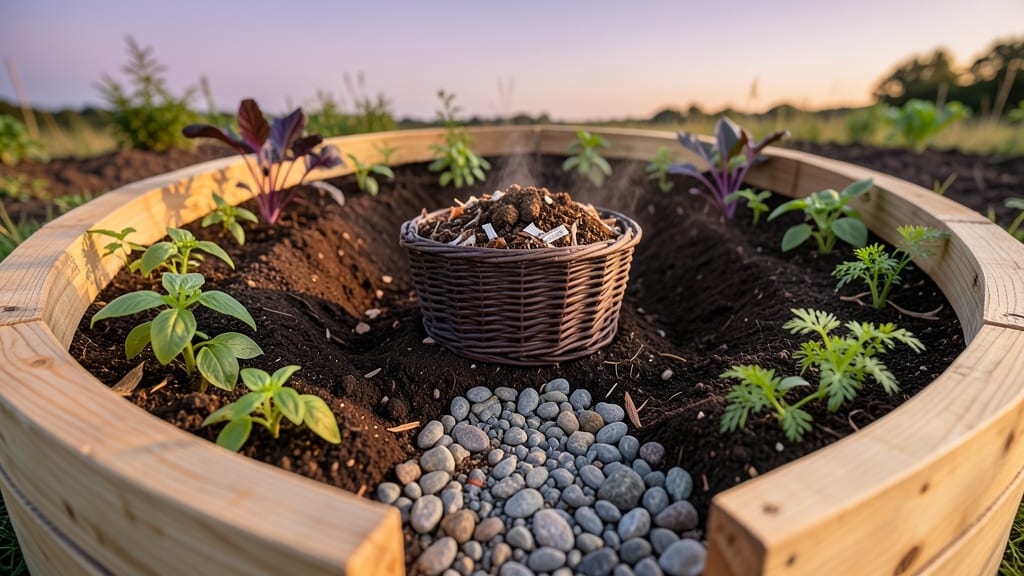
If you’re tired of hauling compost from the bin to your garden every few weeks, the keyhole garden is your answer. This circular, African-inspired design places a center compost basket at the heart of the bed, feeding your plants continuously while reducing waste—no more digging or carrying heavy bags of compost.
Build a circular raised bed (3–4 feet wide) with a compost-filled hole in the middle, surrounded by a path for easy access. Plant drought-tolerant crops like carrots, leafy greens, and marigolds around the edges, where roots can draw nutrients from the compost. The design also retains moisture better than traditional beds, making it ideal for dry climates or water-conscious gardeners. Simply add kitchen scraps or yard waste to the compost basket as you go—your plants will thank you!
This low-maintenance layout is perfect for eco-conscious gardeners who want to minimize waste and maximize efficiency. Plus, the self-sustaining nature means less work for you and healthier soil for your crops. 💚
Window Box Raised Bed Conversion
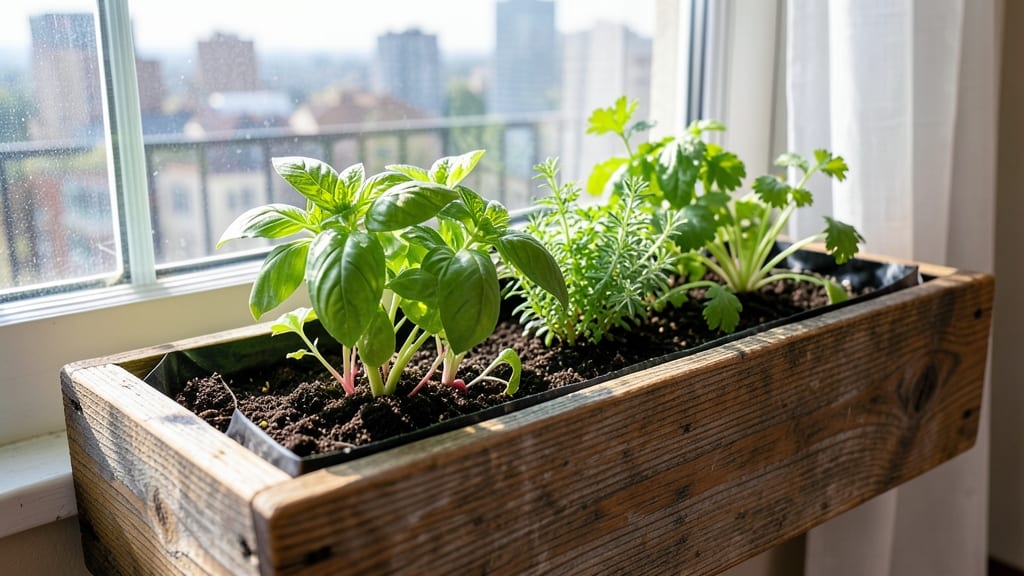
Turn your empty windowsill into a thriving micro-garden with a window box raised bed conversion—perfect for renters or urban dwellers craving fresh herbs and greens without yard space. This clever hack repurposes traditional decorative boxes into functional growing containers, bringing the garden indoors where sunlight streams through.
Start with a deep window box (at least 10 inches deep) to accommodate root growth, and fill it with well-draining potting mix mixed with compost. Plant fast-growing herbs like basil, parsley, and chives alongside microgreens (such as radish or broccoli sprouts) for quick harvests. Place the box in a south- or west-facing window to ensure 4–6 hours of sunlight daily, and water gently from the bottom to avoid over-saturating shallow roots.
This layout is ideal for beginners, balcony gardeners, or anyone with limited space—it’s portable, low-maintenance, and delivers fresh ingredients year-round. Plus, the cascading greenery adds charm to any urban view. 🌱
Mixed Border Raised Bed with Companion Planting
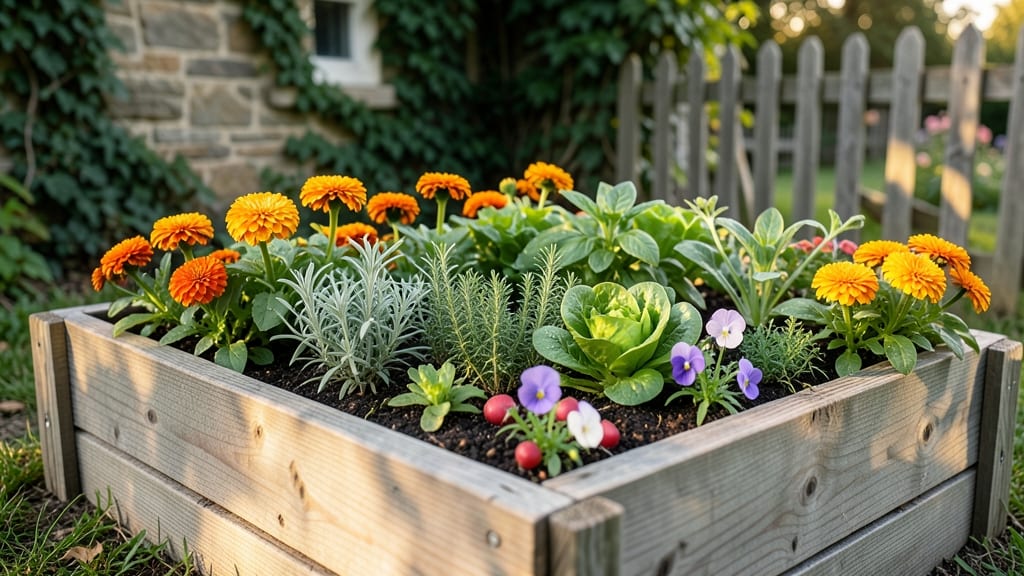
Channel your love for classic cottage gardens into a pest-free raised bed with a mixed border design. This layout blends ornamental flowers with edible crops, creating a stunning visual while naturally repelling insects like aphids and mosquitoes—no chemicals needed.
Start by planting marigolds along the edges (their strong scent deters pests) and intersperse them with tomatoes, basil, and nasturtiums. The marigolds’ bright blooms add color, while nasturtiums act as a trap crop for squash bugs. For a traditional look, use 18-inch spacing between rows and mix heights—tall sunflowers in back, medium basil in the middle, and low lettuce in front. Mulch with straw to retain moisture and suppress weeds.
This design is ideal for small yards where you want both beauty and bounty. It’s especially rewarding for gardeners who love seasonal color and want to reduce pesticide use—all while keeping your garden thriving. ✨
Modular Raised Bed Puzzle System
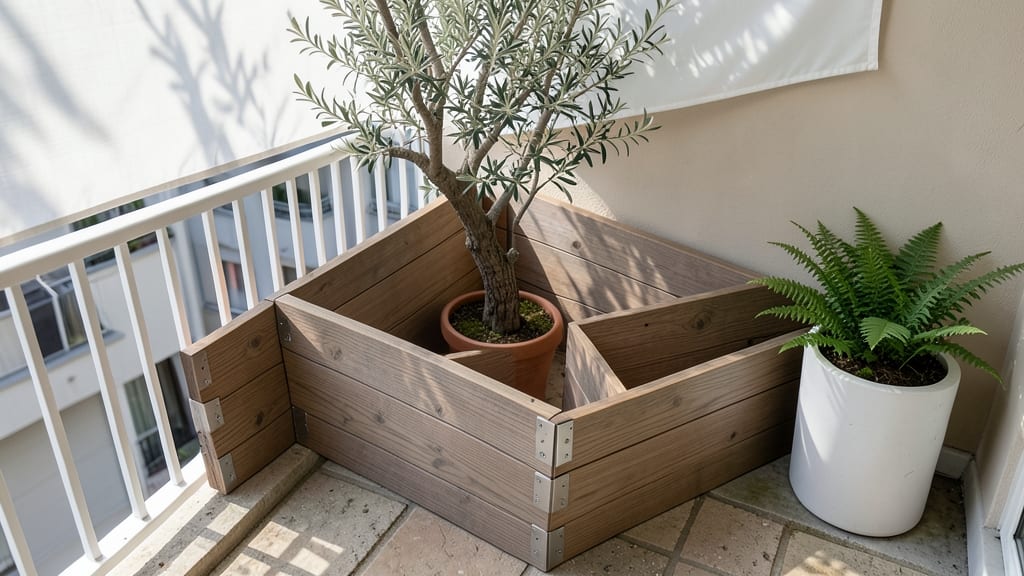
Tired of rigid rectangular raised beds that waste space or force you into awkward corners? A modular raised bed puzzle system lets you snap together interlocking panels to create custom shapes that hug your patio’s edges, wrap around trees, or fill odd nooks—no measuring tape required.
These systems use pre-cut, interlocking cedar or composite panels (often 12–18 inches wide) that click together like a 3D puzzle. Plant colorful peppers, Swiss chard, or nasturtiums in geometric patterns or free-form curves, and rearrange panels next season if your space changes. The lightweight design makes them easy to move, and built-in drainage holes prevent waterlogging. Ideal for creative gardeners who love modern aesthetics or renters who need portable setups.
Whether you’re designing a minimalist concrete patio garden or a whimsical backyard art piece, this system turns limitations into opportunities—no permanent structures or wasted soil required. 💡
Hanging Pocket Raised Bed for Vertical Growth
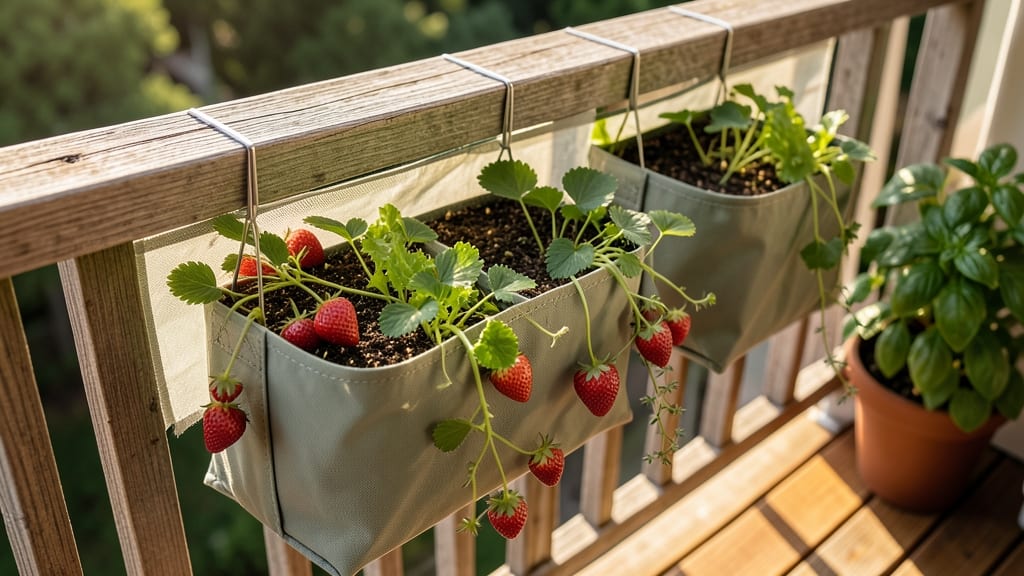
Turn your balcony or patio into a vertical edible paradise with a hanging pocket raised bed, where trailing plants like strawberries, lettuce, and thyme cascade beautifully while maximizing every inch of space. These lightweight, fabric-walled pockets attach directly to walls or railings, making them perfect for renters or urban gardeners with limited floor area.
Choose durable, breathable fabric pockets (12–18 inches deep) to accommodate root growth, and fill them with a moisture-retentive potting mix mixed with compost. Plant strawberries along the edges for easy harvesting, while leafy greens and herbs thrive in the center pockets. For best results, place your setup in a location with at least 6 hours of sunlight and water daily to keep the soil consistently moist—just be mindful of overwatering, as fabric pockets drain differently than traditional beds.
This space-saving solution is ideal for small-space gardeners, renters, or anyone craving fresh produce without sacrificing style. The cascading greenery adds a lush, dynamic touch to any outdoor area while keeping your harvest within arm’s reach. 🌱
Moon Garden Raised Bed with Night-Blooming Flowers
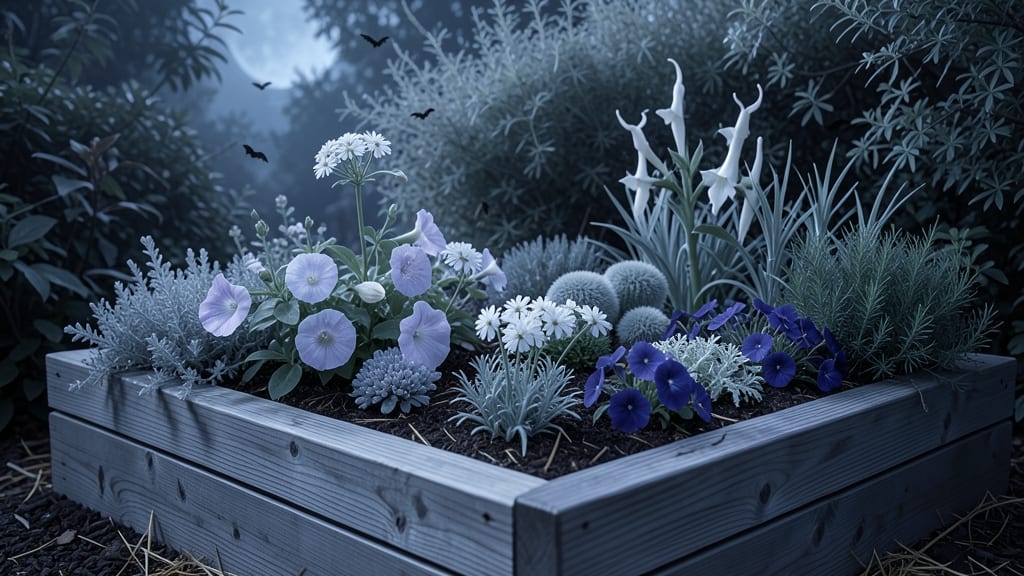
Turn your garden into a magical nocturnal oasis with a moon garden raised bed—a secretive retreat that blooms after sundown to attract moths, bats, and other night-flying pollinators. Unlike daytime gardens, this layout thrives in the quiet hours, creating a serene, luminous display that transforms your yard into a twilight sanctuary.
Start with a circular or crescent-shaped raised bed (3–4 feet wide) filled with silver foliage plants like lamb’s ear or dusty miller to reflect moonlight, while white or pale flowers such as **moonflower (Ipomoea alba), evening primrose (Oenothera biennis), and four o’clocks (Mirabilis jalapa) open their blooms at dusk. Add night-scented plants like night-blooming jasmine or gardenia to lure pollinators with fragrance. Place the bed where it receives partial shade during the day to conserve moisture and full moonlight exposure at night.
This design is perfect for small gardens, urban courtyards, or pollinator enthusiasts** who want to support nocturnal wildlife while adding a whimsical, otherworldly touch. Watch as your garden comes alive under the stars—no artificial lights needed! ✨
Salad Bar Raised Bed with Succession Planting

Tired of harvesting a single batch of greens and then waiting months for the next? A salad bar raised bed with succession planting turns your compact space into a year-round salad factory. This system lets you stagger plantings every 2-3 weeks, ensuring a steady supply of crisp lettuce, peppery arugula, and tender herbs like cilantro and chives—no empty gaps in your harvest calendar.
Start with a narrow, 4-foot-wide raised bed (ideal for small spaces) and divide it into sections. Plant fast-maturing greens like radishes (25 days) and baby lettuce (30 days) in one corner, then follow with slower growers like kale (50 days) and swiss chard (40 days) in the next. Use shade cloth in summer to protect heat-sensitive greens, and mulch with straw to retain moisture. The key is timing: as you harvest outer leaves, inner plants fill the space, creating a self-sustaining cycle.
This layout is a game-changer for urban gardeners, busy families, or anyone who loves fresh salads. With minimal extra work, you’ll enjoy homegrown greens from spring through fall—and even overwinter varieties like spinach or kale in mild climates. 🌱