
Tools
Small spaces shouldn’t limit your gardening dreams. These elevated garden bed ideas maximize vertical space, improve drainage, and create customizable growing zones—all while preserving soil quality and extending your growing season.
Cedar Raised Bed with Built-In Trellis
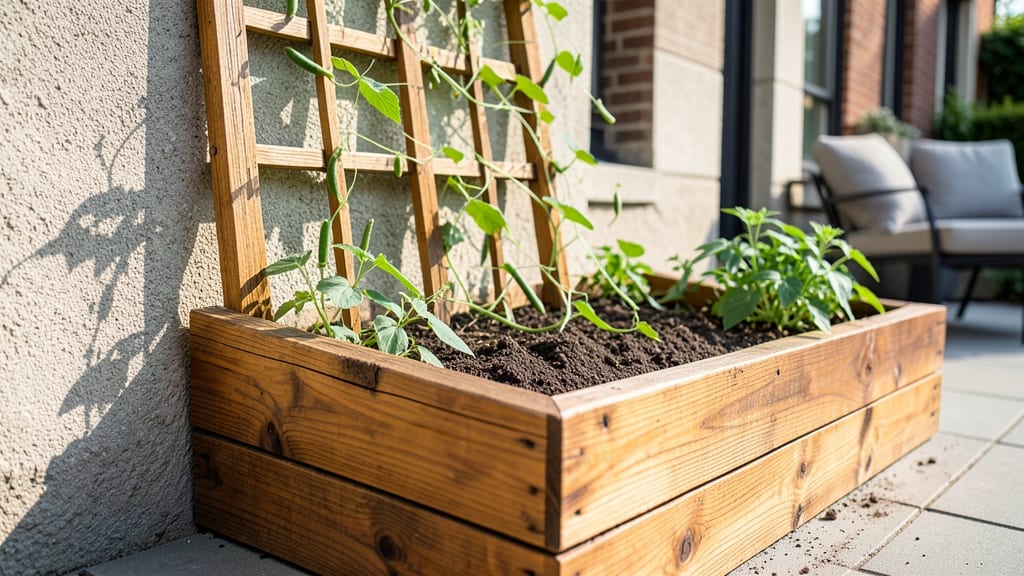
Double your harvest in tight spaces with a cedar raised bed that doubles as a built-in trellis—perfect for growing cucumbers, beans, or peas without taking up extra yard space. This two-in-one design lets you grow upward while keeping your soil contained, making it ideal for balconies or urban patios where every inch counts.
Start by building a standard cedar raised bed (at least 12 inches deep) but add a vertical lattice along one side using untreated cedar slats. Plant pole beans or bush cucumbers at the base, then train vines upward as they grow. The natural cedar resists rot and pests, while the trellis keeps plants off the ground, reducing disease risk. For small spaces, opt for a 4x4-foot bed—it fits most balconies while yielding enough for fresh eating.
This setup is a game-changer for urban gardeners who want big harvests without big footprints. Plus, the vertical growth adds visual interest while keeping your garden tidy and productive. 🌱
Stackable Plastic Crate Garden Tower
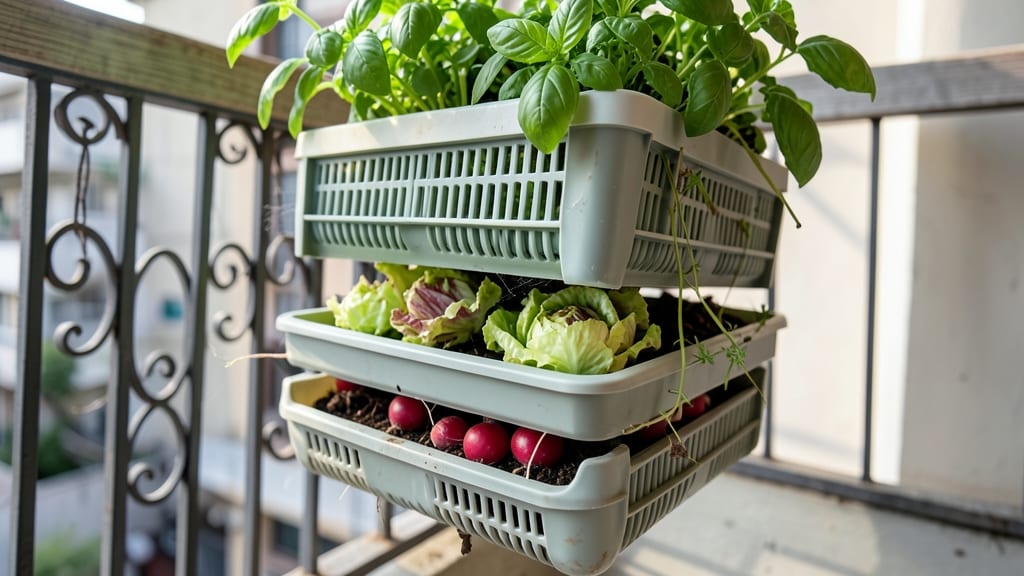
If you’re a renter with limited space or a balcony gardener, a stackable plastic crate garden tower turns wasted vertical space into a thriving mini-farm. Each tier (typically 12"–18" deep) lets you grow different plants—herbs on top, lettuce in the middle, and radishes below—while keeping roots easily accessible for pruning or pest checks.
These towers are lightweight (under 20 lbs when empty) and often come with drainage holes to prevent soggy soil. Use well-draining potting mix and group plants by sunlight needs: full sun for tomatoes, partial shade for greens. The modular design means you can add or remove tiers as your green thumb grows—ideal for experimenting with new crops.
Perfect for urban gardeners or anyone who wants low-maintenance, high-yield growing without permanent installations. 🌱
Pallet Wood Vertical Planter Box
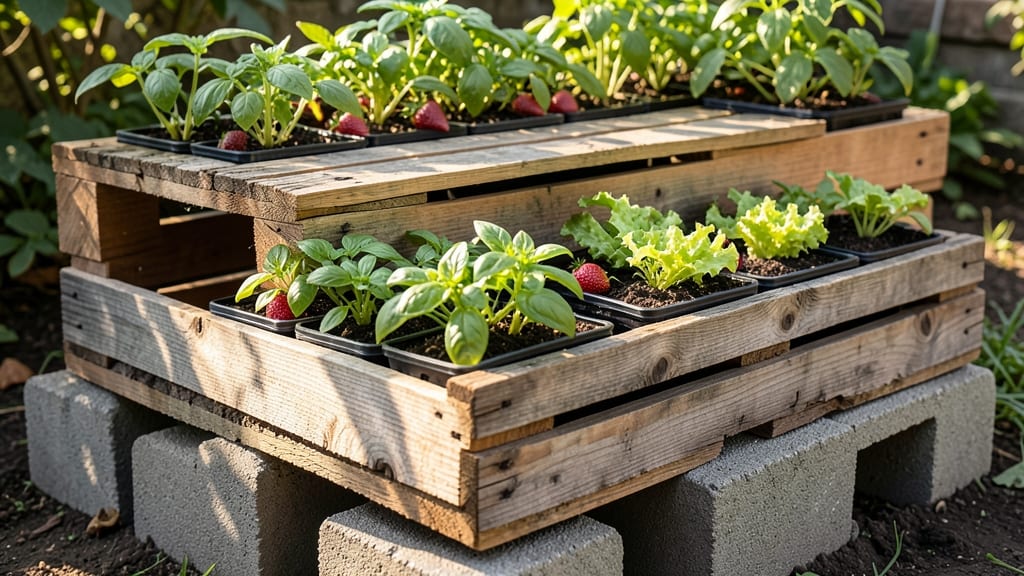
Turn a free pallet into a vertical gardening powerhouse without breaking the bank. This upcycled planter box transforms discarded wood into a space-saving, customizable growing system perfect for shallow-rooted veggies like lettuce, strawberries, or herbs.
Start by sanding and sealing the pallet to prevent splinters and weather damage. Mount it vertically against a fence or wall using sturdy brackets, then fill the gaps between slats with moisture-retentive soil. The customizable height lets you grow more in less space, while the natural wood aesthetic adds rustic charm to urban gardens.
Budget-conscious gardeners and urban dwellers will love this solution—it’s durable, eco-friendly, and gives you instant vertical growing real estate. 🌱
Hanging Fabric Pocket Planters
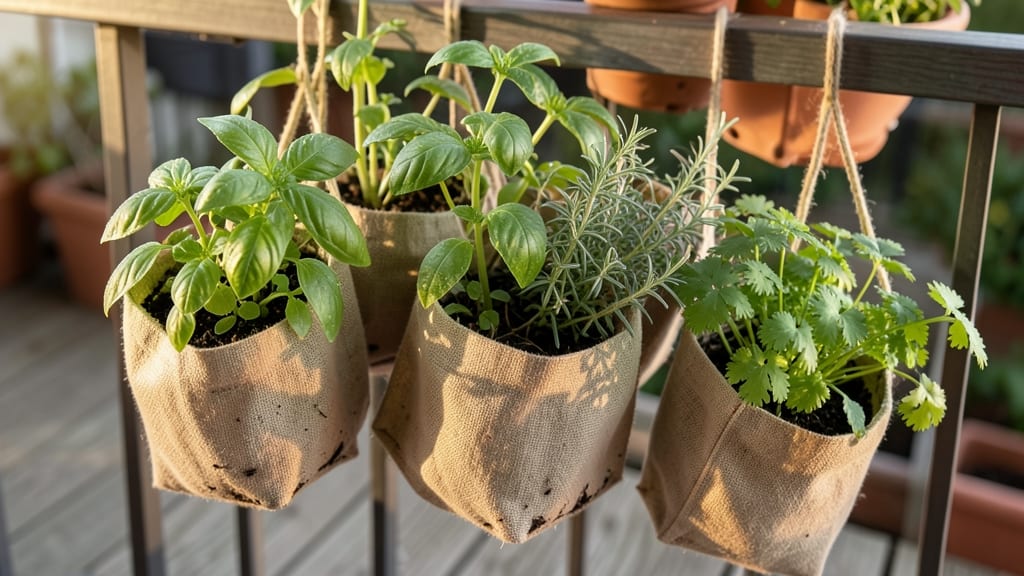
Transform your tiny balcony or windowsill into a thriving herb garden with hanging fabric pocket planters. These lightweight, breathable pockets eliminate soil compaction while providing excellent drainage—ideal for moisture-sensitive herbs like basil, thyme, or cilantro.
Simply fill each pocket with a lightweight potting mix, add your seedlings, and hang at eye level for easy harvesting. The fabric material allows roots to breathe while preventing overwatering, making them perfect for patio renters or urban gardeners with limited floor space. You can even move them to follow the sun!
Microgreens lovers will adore how these pockets create a self-contained growing system—just add seeds, water, and sunlight for quick harvests. No soil spills, no heavy lifting, just fresh greens at your fingertips. 🌱
Corner Pocket Planter with Drainage Holes
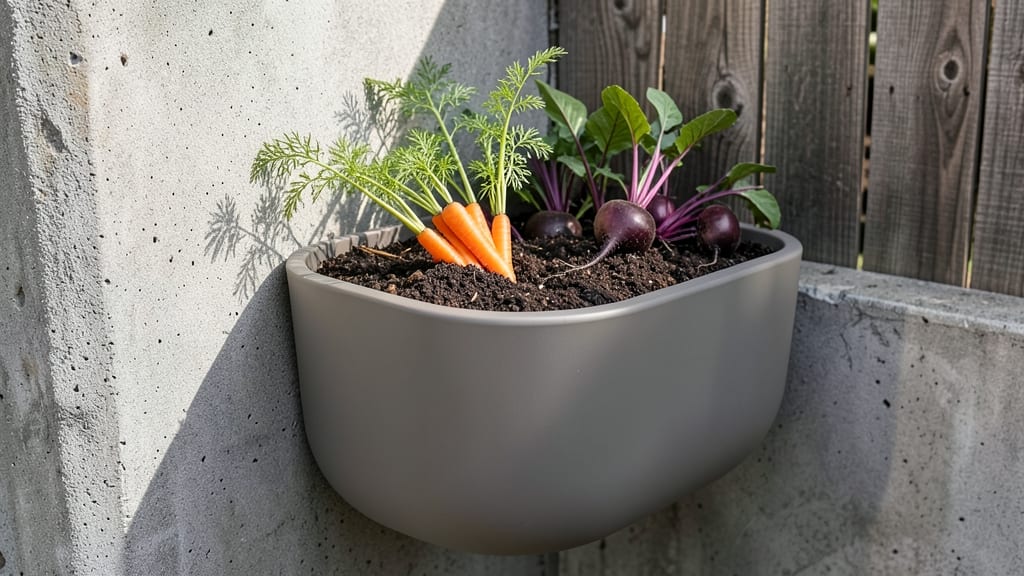
Tight corners in your urban garden don’t have to go to waste—this corner pocket planter turns dead space into a productive growing zone while solving two common problems: soil spillage and root depth limitations. Designed to hug walls or fences, it cradles deep-rooted crops like carrots or beets that struggle in shallow containers, all while keeping soil contained and moisture locked in.
Look for models with pre-drilled drainage holes to prevent waterlogging, and choose a fabric or plastic liner that wicks moisture without degrading. The snug fit against walls also creates a microclimate that retains heat, extending your growing season for cool-season crops. For best results, pair with a lightweight potting mix enriched with compost—this ensures roots have room to stretch while preventing compaction.
Urban gardeners with limited floor space or renters who need a low-commitment, high-impact solution will love this design. It’s the perfect way to grow root vegetables without sacrificing precious square footage. 🌱
Tiered Galvanized Metal Planter Stand
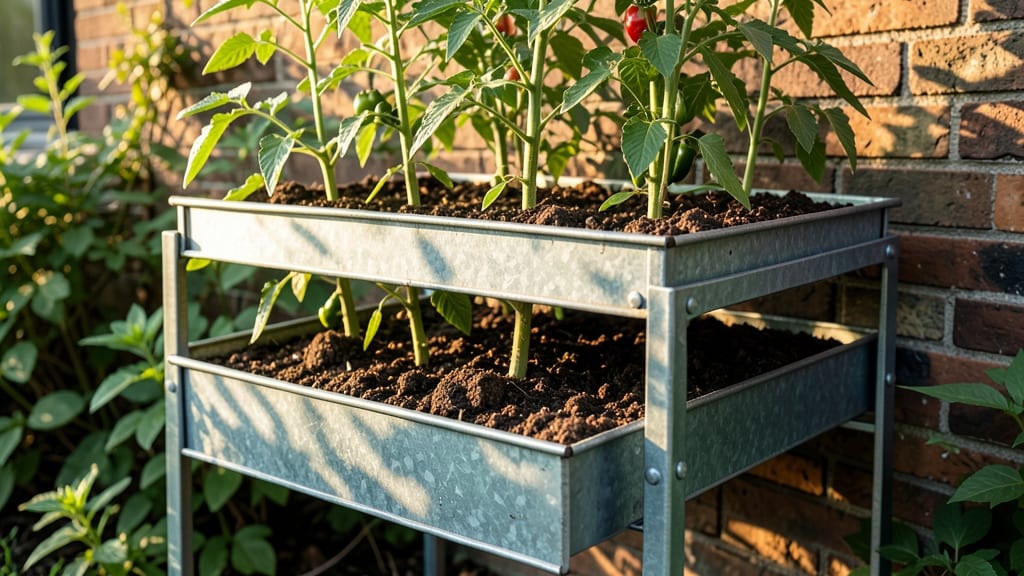
A tiered galvanized metal planter stand is the ultimate solution for gardeners who want to grow heavy crops like tomatoes or peppers without sacrificing soil health. Unlike wooden beds, metal resists rot and pests while elevating plants to prevent soil-borne diseases—a game-changer for urban or small-space growers.
These stands are built to last, with weather-resistant galvanized steel that won’t warp or degrade over time. The tiered design lets you grow multiple plants vertically, saving space while improving air circulation around roots. For best results, fill each tier with lightweight, nutrient-rich potting mix and place the stand on a stable surface like a patio or deck. The elevated structure also makes weeding and harvesting easier on your back.
Perfect for container gardeners or balcony growers, this stand blends durability with modern style—ideal for those who want a low-maintenance, high-yield solution. 💪
Window Box Elevated Planter with Casters
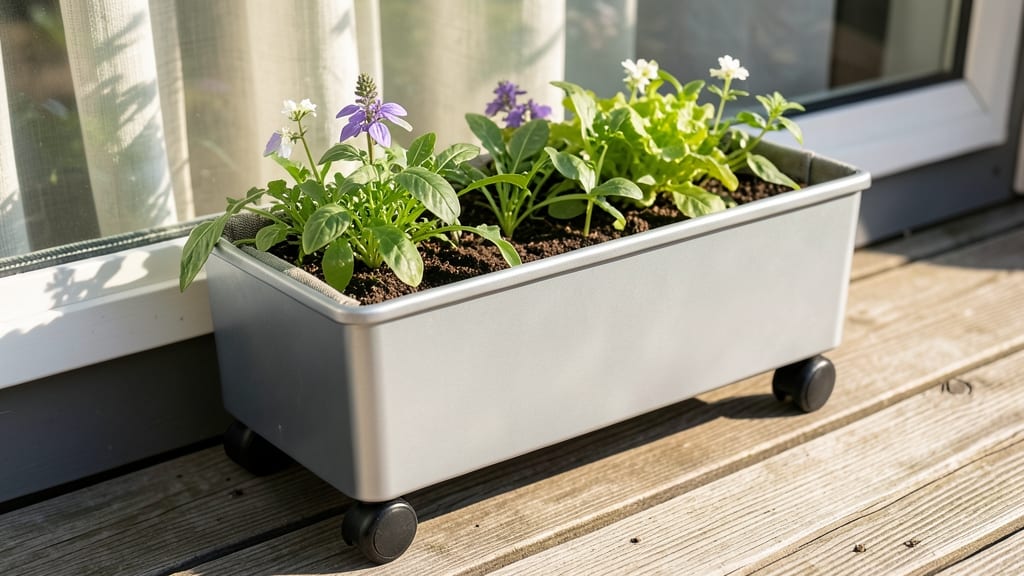
Say goodbye to fixed garden spots—this window box elevated planter with casters lets you move your greens to the sunniest spot in minutes. Perfect for renters or small-space gardeners, it rolls smoothly along windowsills, patios, or balconies, ensuring your herbs, salad greens, or flowers get the perfect light conditions all day.
Choose a planter with adjustable casters (lockable for stability) and fill it with a lightweight potting mix to keep it mobile. Plant sun-loving basil or pansies in the front for easy access, while shade-tolerant parsley or lettuce can thrive in the back. Water from the top to avoid spills, and use a self-watering liner to reduce maintenance.
This is the ultimate solution for anyone with limited outdoor space but big gardening dreams—no permanent installations, just fresh produce and blooms on wheels. 🌻
DIY Straw Bale Garden Bed
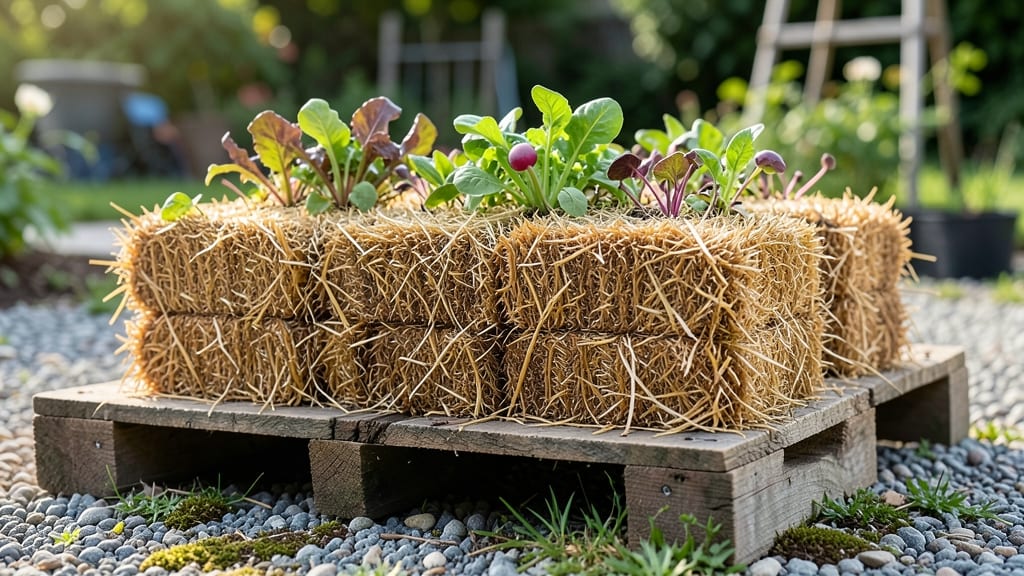
Skip the soil and the soil prep with a DIY straw bale garden bed—a zero-waste, zero-dig solution perfect for short-season crops like lettuce, radishes, or spinach. Straw bales act as natural planters by holding moisture and nutrients while breaking down into nutrient-rich compost over time, enriching your garden for future seasons.
Start by soaking the bales in water for 24 hours to jumpstart decomposition, then cut a planting hole in the top. Fill it with potting mix and plant your seeds or seedlings directly into the bale. The bales provide excellent drainage and insulate roots from temperature swings, making them ideal for cool-weather crops. Plus, they’re lightweight, portable, and perfect for renters or gardeners with poor soil.
This method is a game-changer for beginners or anyone tired of tilling heavy ground—just add plants, water, and sunlight for a hassle-free harvest. 🌱
Modular Grid Planter System with Drainage
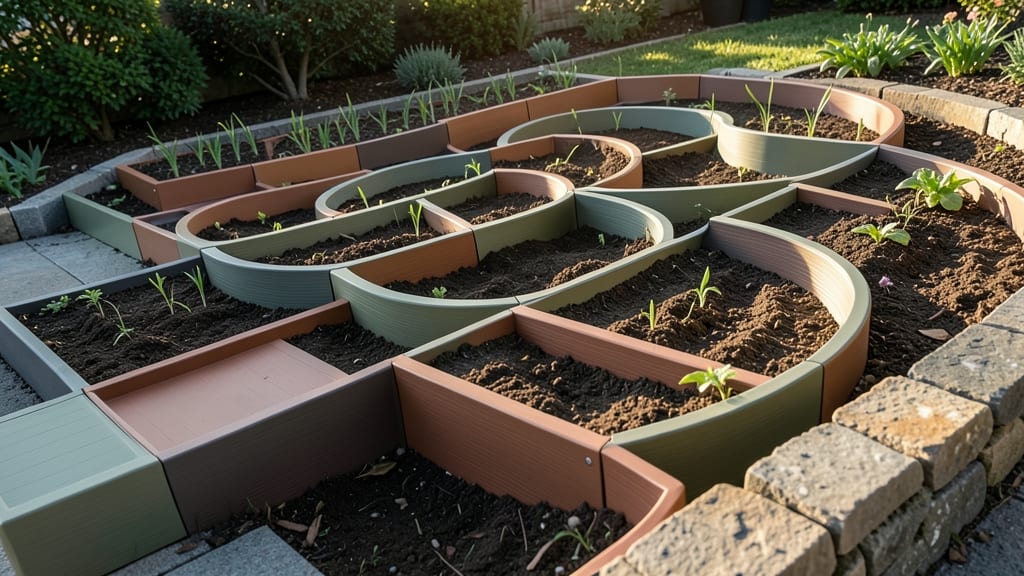
Say goodbye to awkward garden shapes and hello to customizable growing zones with a modular grid planter system. These interlocking panels snap together like puzzle pieces, letting you create spirals, rectangles, or even curved designs—perfect for sloped yards, odd corners, or irregular patios where traditional beds won’t fit.
The real game-changer? Built-in drainage channels prevent waterlogging while allowing roots to breathe. Use composite panels for durability (they resist rot and pests) or lightweight plastic for easy rearrangement. Fill with a moisture-retentive mix and plant herbs like basil or lettuce in the center, while taller veggies like tomatoes or peppers can spill over the edges. The modular design also means you can expand or reconfigure your garden as your needs change—no digging required!
This system is a dream for urban gardeners with tricky spaces or anyone who wants a low-maintenance, high-impact solution. Plus, the geometric designs add modern flair to any outdoor area. ✨
Hugelkultur Elevated Bed with Log Core

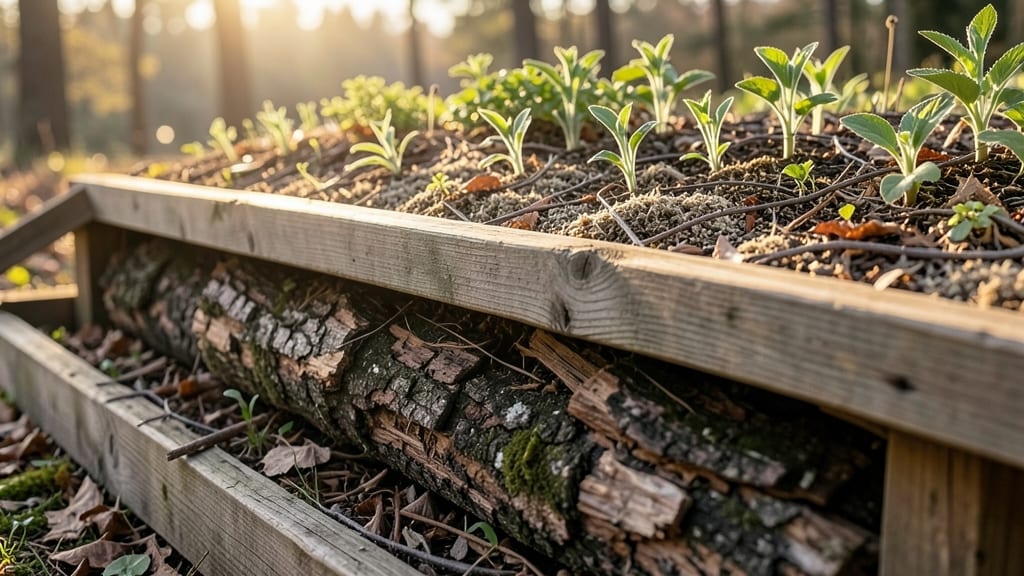
For gardeners in drought-prone regions or those seeking a low-maintenance, long-term solution, a hugelkultur elevated bed transforms fallen logs and branches into a self-sustaining growing system. This method mimics natural forest ecosystems by burying woody debris to create a moisture-retentive core that slowly releases nutrients over years, reducing watering needs by up to 50%.
Start by layering branches, logs, and coarse wood chips at the bottom of your elevated frame (at least 18 inches deep), then top with cardboard, compost, and soil. The decomposing wood acts as a slow-release fertilizer, while the structure’s height improves drainage and warms the soil faster in spring. Plant perennial vegetables like asparagus, rhubarb, or zucchini—they thrive in this nutrient-rich, moisture-locked environment with minimal care.
This design is ideal for permaculture enthusiasts or anyone tired of amending soil yearly. Once established, the bed requires little to no irrigation and continues to improve with age, making it a future-proof choice for sustainable gardens. 🌻