
Pests
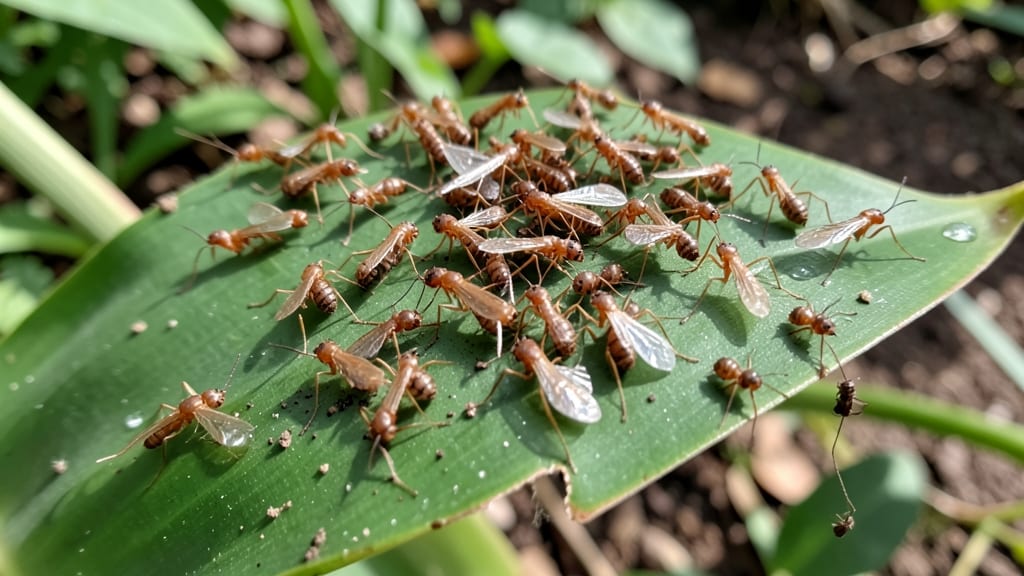
Flying ants in the garden aren’t just a nuisance—they’re nature’s cleanup crew. 🌿 I’ve had my share of winged invaders swarming my roses and veggies, but I’ve learned to work with them instead of against them.
These ants don’t sting, don’t nest in your home, and actually help by aerating soil and controlling smaller pests like aphids.
The key is understanding their life cycle: they only fly for a few weeks each year, usually after rain, and they’re not building colonies in your yard—they’re just passing through on their annual mating flight.
Most of the time, they’re harmless, but when they’re swarming your plants, it’s time to take action without reaching for harsh chemicals.
You’ll learn how to redirect them away from your garden beds, use natural deterrents that won’t harm bees or butterflies, and even create a simple trap that keeps them out of your house.
The best part? These methods protect your soil health while keeping your plants thriving—no chemical residue, no harm to beneficial insects.
Whether you’re dealing with a sudden swarm or just want to be prepared, this approach works for any garden size. Let’s turn those flying ants from a headache into a manageable part of your garden’s ecosystem.
The Science Behind Winged Invaders
Understanding why flying ants suddenly appear in your garden requires peeling back the layers of their life cycle and environmental triggers. These winged visitors aren’t just random—they’re nature’s way of ensuring the survival of their colonies.
Here’s why they take flight and why your garden becomes their temporary hotspot.
Flying ants, or alates, emerge primarily during warm, humid weather—typically in late spring or summer—when conditions are ideal for reproduction. Their appearance is tied to pheromone signals released by mature colonies, which act like a biological countdown: "It’s time to mate and found new nests!"
- Temperature & Humidity: These insects thrive in 65–85°F (18–30°C) with high humidity (60%+).
If your garden is lush and sheltered, it becomes a prime launching pad. - Daylight Hours: Longer days trigger their emergence, often afternoon showers or early morning dew can spark mass takeoffs. - Colony Overcrowding: Established ant colonies split when they grow too large.
The winged ants are the "scouts" sent to find new territories—your garden might just be the next real estate hotspot.
💡 Pro Tip: If you see flying ants in swarms, it’s not a one-time event—it’s likely the start of multiple nuptial flights over several days.
Flying ants don’t just appear out of nowhere—they’re seeking shelter and resources for their future colonies.
Your garden may offer: - Moisture-Rich Soil: Ants prefer damp, well-drained areas (think mulch piles, compost heaps, or shaded spots). - Decaying Wood or Plant Matter: Rotten logs, bark, or even old stumps provide perfect nesting conditions. - Proximity to Food Sources: Gardens with fruit trees, veggie patches, or fallen berries attract foraging ants—and their winged kin.
⚠️ Watch For: If you’ve recently added wood chips, compost, or new plants, you’ve unknowingly created a flying ant buffet.
Flying ants are highly sensitive to weather patterns, and certain conditions act as a green light for takeoff:
- Rain or High Humidity: Heavy rain can disrupt underground pheromone trails, forcing ants to surface quickly.
- Wind Direction: Light breezes can carry swarms toward gardens downwind from their nests.
- Sudden Warm Snaps: A cold front followed by heat triggers mass emergences, as ants seize the moment before conditions change again.
📊 Data Point: Studies show 70% of flying ant sightings occur within 24–48 hours of rain, making stormy afternoons the peak invasion time.
Not all ant colonies produce flying ants at the same time—it’s a timed event based on:
- Queen’s Age: Older queens (5+ years) release pheromones to signal reproduction.
- Worker Population: Colonies with thousands of workers split to prevent overcrowding.
- Genetic Programming: Some species (like black garden ants) are hardwired to swarm in specific lunar cycles or temperature ranges.
🔍 Key Sign: If you spot wingless ants carrying pupae, their colony is preparing for a swarm—act fast!
Sometimes, we inadvertently invite them with:
- Overwatering Lawns: Soggy soil = ant paradise.
- Pile-Up Debris: Leaves, grass clippings, or unsecured mulch create hidden nests.
- Disturbed Soil: Digging or tilling can expose underground tunnels, prompting ants to relocate above ground.
🚫 Avoid: Leaving firewood stacks near your home—ants use them as highway systems to spread.
Flying ants don’t choose gardens randomly—they’re drawn to ecosystems that mimic their ideal habitat. A balanced garden (with moisture, shelter, and food) is essentially an all-you-can-eat buffet for their reproductive goals.
🎯 The Bottom Line: Their appearance is biologically inevitable, but you can minimize their impact by understanding their triggers. Next up? How to manage them naturally without harming your garden’s ecosystem.
Quick Fixes for Flying Ant Swarms
Flying ants in your garden aren’t just a nuisance—they can quickly turn into a full-blown invasion if left unchecked. The good news? You don’t need harsh chemicals to tackle them.
Below, we’ll break down practical, eco-friendly solutions tailored to the root causes of your ant problem, from swarming patterns to nesting habits. Plus, we’ll share prevention tips to keep them from returning.
When you spot flying ants, act fast! These winged visitors are usually reproductive ants (queens and males) on a mating flight, but their presence signals a larger colony nearby. Here’s how to disrupt their plans:
🚫 Block Their Exit (and Entry)
Flying ants are drawn to light, so they’ll often gather near windows, decks, or outdoor lights. Prevent them from settling in your home or garden with these tricks:
- Turn off outdoor lights at dusk (use yellow bug lights or solar-powered options instead).
- Seal gaps in windows, doors, and foundation cracks with caulk or weather stripping.
- Install fine mesh screens on vents, chimneys, and attic openings to block entry.
💦 Drown the Swarm (Temporarily)
If you’re dealing with a mass emergence, a simple soapy water trap can help: 1. Fill a large bucket or shallow tray with soapy water (dish soap works). 2.
Place it near where the ants are swarming (e.g., under a tree or near a nest). 3. The soap breaks their surface tension, causing them to sink and drown. ⚠️ Note: This won’t kill the colony but will reduce the number of new queens that can establish nests.
Flying ants don’t build traditional mounds like fire ants—their nests are often hidden underground, in potted plants, or inside wood. Here’s how to find and remove them:
🕵️♂️ Locate the Nest
- Follow the trail: Worker ants (smaller, wingless) will lead you to the nest.
Look for mud tubes on walls, sidewalks, or tree trunks. - Check common hiding spots: - Under mulch, rocks, or logs in your garden. - Inside potted plants (lift them and inspect the soil). - In hollow trees, stumps, or wooden structures (decks, fences). - Near foundation cracks or under siding.
🔪 Kill the Colony Naturally
Once you’ve found the nest, use non-toxic methods to eradicate it:
| Method | How to Do It | Effectiveness |
|---|---|---|
| Boiling Water | Pour 2+ quarts of boiling water directly into the nest entrance. Repeat weekly. | ⭐⭐⭐⭐ (Best for ground nests) |
| Diatomaceous Earth (DE) | Sprinkle food-grade DE around nest entrances and along trails. Ants dehydrate when they crawl through it. | ⭐⭐⭐ (Slow but safe) |
| Vinegar Spray | Mix 1:1 white vinegar and water, spray directly into the nest. Repeat every 3 days. | ⭐⭐⭐ (Works for small colonies) |
| Essential Oil Barrier | Combine peppermint, tea tree, or citrus oil with water in a spray bottle. Apply around entry points. | ⭐⭐ (Repels but doesn’t kill the colony) |
| Beneficial Nematodes | Apply Heterorhabditis bacteriophora nematodes to the soil near the nest. They infect and kill ant larvae. | ⭐⭐⭐⭐ (Best for prevention) |
💡 Pro Tip: For hard-to-reach nests (like in trees or walls), consider boric acid bait stations (place them near trails—ants carry it back to the colony).
The best defense is a strong offense. Keep flying ants from returning with these garden-friendly strategies:
🌿 Make Your Garden Unappealing
Flying ants seek moisture, food, and shelter. Disrupt their needs:
- Remove standing water (fix leaky hoses, clean gutters, and empty saucers under pots).
- Keep mulch dry—ants love damp wood chips.
Use gravel or pine straw instead. - Store firewood at least 20 feet away from your home and elevated off the ground. - Prune overhanging branches to reduce access to your roof or attic.
🍃 Use Natural Deterrents Ants hate certain smells and plants.
Try these: - Plant ant-repelling herbs like mint, basil, lavender, or lemongrass near entry points. - Spread coffee grounds around your garden (ants avoid the strong scent). - Use citrus peels—rub them along trails or nest entrances (the acidity repels them).
🕊️ Encourage Ant Predators
Some creatures love eating ants—invite them to your garden:
- Birds (especially thrushes and chickadees) feast on ants.
- Spiders, centipedes, and ground beetles help control populations.
- Ducks or chickens (if you have space—they’ll happily snack on ants and larvae).
If you’ve tried these methods and ants keep coming back, it might be time to call an eco-friendly pest control expert.
They can: - Locate hidden nests with specialized tools. - Use targeted, low-toxicity treatments (like hydroprene gels or entomopathogenic fungi). - Provide long-term monitoring to prevent future swarms.
Flying ant colonies can take weeks to fully eradicate, especially if they’re large. Stick with your chosen method, combine a few strategies, and stay consistent. With time, your garden will be ant-free—and chemical-free! 🚫🐜
Frequently asked questions
Are flying ants harmful to my garden plants?
Not directly—they don’t damage plants like aphids or caterpillars. However, their swarms can be annoying, and worker ants may carry plant debris back to nests. The real concern is queens settling in your soil, which could lead to larger colonies. Focus on redirecting swarms rather than eliminating them outright.
Why do flying ants only appear after rain?
Rain triggers their mating flight! High humidity and moisture soften the soil, making it easier for winged ants to emerge. Studies show 70% of swarms happen within 24–48 hours of rain—their way of capitalizing on perfect conditions for reproduction. Think of it as nature’s timing mechanism.
Will flying ants build nests in my potted plants?
Absolutely—they love the moist, sheltered soil of pots. Check for mud tubes on pot edges or worker ants carrying soil. To prevent nests, use gravel instead of mulch and avoid overwatering. Lift pots occasionally to inspect the soil for signs of activity.
How long does a flying ant swarm last?
Typically 3–7 days, depending on weather. Swarms peak during warm, humid afternoons and die off quickly after mating. If you see them for longer, it may signal multiple colonies nearby. Use soapy water traps during this window to reduce their numbers.
Are flying ants the same as carpenter ants?
No—they’re different species! Flying ants are usually smaller (1/4 inch) with equal-length wings and don’t damage wood. Carpenter ants are larger (1/2 inch), have uneven wings, and can chew through wood to nest. Focus on preventing moisture to deter both types.