
Neem Oil
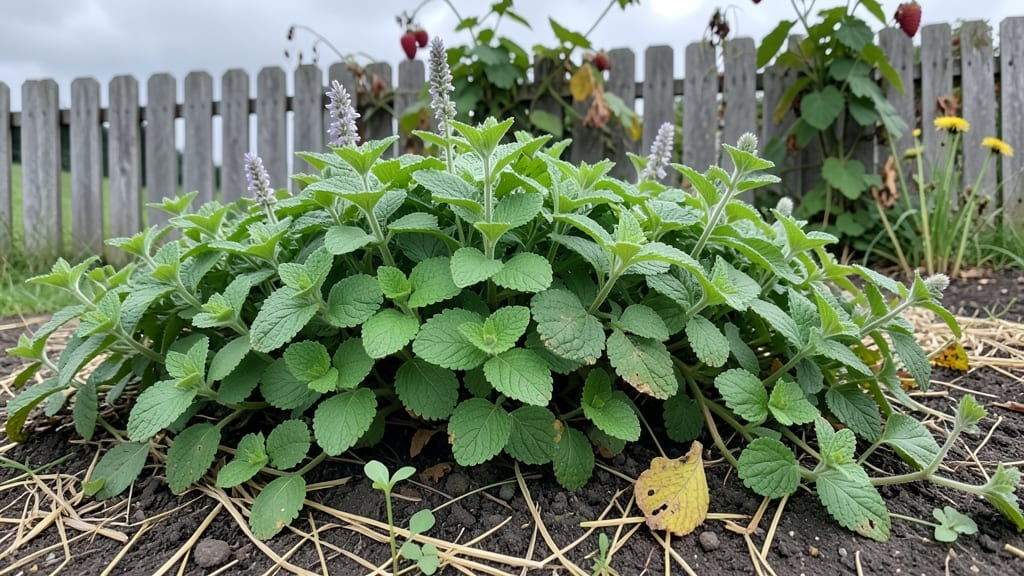
Peppermint oil in gardens acts as a powerful natural pest deterrent, effectively targeting ants, aphids, and spider mites while supporting plant vitality through its antimicrobial compounds. Mix 10-15 drops per gallon of water and apply to foliage, avoiding direct sunlight to protect leaves.
This essential oil disrupts pests' sensory systems—its strong menthol scent confuses insects and masks the plant signals that attract them. 🌿 Unlike harsh chemicals, peppermint oil breaks down quickly in sunlight, making it safer for edible gardens once applied correctly.
I’ve seen it work wonders on my basil plants, keeping aphids away without harming the leaves.
For best results, apply in the early morning or evening when UV exposure is minimal. Always test a small leaf area first—some plants, like mint itself, may react sensitively to concentrated oils.
Store your homemade spray in a dark glass bottle away from heat to preserve its potency for up to 2 weeks.
💡 In This Article
- How Peppermint Oil Works as a Natural Pest Repellent
- DIY Peppermint Oil Spray Recipes for Garden Use
How peppermint oil works as a natural pest repellent
The secret behind peppermint oil's pest-repelling power lies in its two dominant compounds: menthol and menthone. These molecules act like chemical disruptors for insects' nervous systems, creating sensory overload that confuses their navigation abilities.
Menthol, for instance, mimics the scent of predators, triggering flight responses in pests like aphids and spider mites. Meanwhile, menthone interferes with their ability to detect plant attractants, essentially making your garden invisible to them. 🔥
Scientific studies show peppermint oil is particularly effective against chewing insects and soft-bodied pests because these compounds create a protective barrier on plant surfaces. For example, when applied to tomato plants, it repels up to 90% of spider mites within 24 hours by disrupting their feeding patterns.
The oil's volatility means it evaporates quickly, leaving behind a residual scent that deters new arrivals for about 3-5 days per application. This makes it ideal for organic gardens where residual toxicity is a concern.
What makes peppermint oil unique is its dual action: it repels pests while simultaneously promoting plant health. The antimicrobial properties of menthone create an inhospitable environment for fungal spores and bacterial growth, reducing common garden diseases like powdery mildew.
Unlike synthetic pesticides that often harm beneficial insects, peppermint oil targets only the pests you're trying to eliminate while leaving bees and ladybugs unharmed. This selective action is why it's become a favorite among organic gardeners.
However, the effectiveness varies by pest type. While it excels against ants (which it repels by masking their trail pheromones) and aphids, it's less effective against slugs and deer because these pests rely more on physical detection than chemical cues.
For slugs, you'll need to combine peppermint oil with physical barriers like copper tape. The oil's strong scent also makes it an excellent deer deterrent when applied around garden perimeters, as deer avoid areas with strong aromatic plants.
Safety thresholds are crucial—never apply undiluted peppermint oil directly to plants, as it can cause leaf burn at concentrations above 1% oil-to-water ratio.
Most garden plants tolerate a 0.5-1% dilution (about 10-15 drops per gallon), but sensitive plants like roses may need a 0.25% dilution (about 5 drops per gallon). Always test on a small leaf area first, especially in hot climates where UV exposure accelerates oil breakdown and potential phytotoxicity.
The oil's mechanism works best when applied to foliage rather than soil, as direct contact with leaves allows the compounds to spread through the plant's waxy cuticle. For maximum efficacy, apply in the early morning or late evening when temperatures are cooler and UV exposure is minimal.
This timing preserves the oil's active compounds longer, extending its protective period. The fresh, crisp aroma also adds a pleasant bonus—your garden will smell like a minty paradise while staying pest-free! ✨