
Pests and Diseases
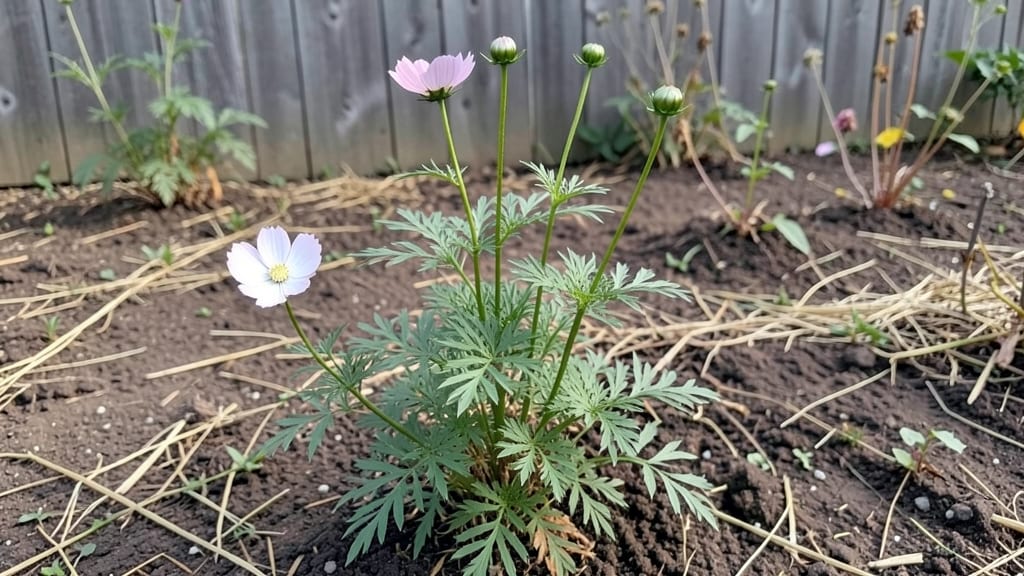
Those feathery garden cosmos leaves aren’t just pretty—they’re your secret weapon against garden pests. 🌿 I learned the hard way that crushed cosmos foliage repels aphids, spider mites, and even squash bugs naturally, without harsh chemicals.
The trick is using the right parts at the right time, and I’ll show you exactly how.
Start by harvesting healthy leaves and stems when they’re fully grown but before flowering. Chop them up and steep in water for 24 hours, then strain and spray on affected plants.
The scent confuses pests while feeding the soil with nutrients. For immediate results, crush fresh leaves directly onto infested areas—it works like a charm.
📚 In This Guide
- What you need
- Instructions
- Tips and common mistakes
- Wrapping up and next steps
What you need
- ● Fresh or dried garden cosmos leaves – At least 1 cup (or more, depending on garden size). Harvest leaves from healthy, pesticide-free plants.
- ● Water – 1 gallon (or enough to submerge leaves). Use rainwater or distilled water if possible.
- ● Large pot or bucket – A 5-gallon container with a lid (for steeping). A non-reactive material like ceramic or stainless steel works best.
- ● Strainer or cheesecloth – To filter out leaf particles after steeping.
- ● Spray bottle – A 16-ounce spray bottle for easy application (or a garden sprayer for larger areas).
- ○ Gloves (optional but recommended) – To protect your hands from sap or rough leaves.
- ● Scissors or pruning shears – For harvesting leaves cleanly without damaging the plant.
- ○ Labeling tags (optional) – To mark your pest-repellent spray if storing for later use.
- ● Sunny or shaded spot – A place to steep your mixture for 24–48 hours (direct sunlight can concentrate the repellent).
- ● Knowledge of target pests – Cosmos leaves work best against aphids, whiteflies, and soft-bodied insects, but test a small area first for sensitivity.
- ● Always test the spray on a small plant area first—some plants may react to the natural compounds.
- ● Avoid spraying on edible plants within 24 hours of harvest to ensure safety.
- ● Store leftover spray in a cool, dark place for up to 1 week (reapply as needed).
How to use garden cosmos leaves as a natural pest repellent
Here's the simple method I've used to keep pests at bay without chemicals.
🌿 Step 1: Harvest Mature Cosmos Leaves
Select healthy, mature cosmos leaves from your garden—look for ones that are fully grown but still vibrant green. Avoid leaves with holes or yellowing edges, as these may attract pests themselves. I like to harvest in the morning when the leaves are crisp and full of moisture. Use clean, sharp scissors to snip just above a leaf node to encourage new growth.
You'll need about 1 cup of chopped leaves for every 10 square feet of garden space. If your cosmos plants are small, harvest leaves from multiple plants to gather enough material. Store any unused leaves in a paper bag in the fridge for up to 3 days if you can't use them immediately.
💧 Step 2: Create a Pest-Repelling Brew
Fill a clean, 1-gallon container with 2 cups of fresh water. Add the harvested cosmos leaves and crush them lightly with your hands or a wooden spoon to release their natural oils. The water will take on a faint green tint as the leaves infuse their pest-repelling properties.
Let the mixture steep for 24 hours in a cool, dark place. You'll notice the water may develop a mild, earthy scent—this is a good sign! After steeping, strain the leaves out using a fine-mesh sieve or cheesecloth. The leftover liquid is your natural pest repellent, ready to use.
✂️ Step 3: Apply the Repellent to Your Garden
Fill a spray bottle with the strained cosmos leaf tea. For best results, apply it directly to the leaves of plants that are prone to pests, such as tomatoes, peppers, and herbs. Focus on the undersides of leaves, as many pests hide there. Spray until the foliage is evenly moist but not dripping.
Reapply every 3-5 days or after heavy rain to maintain protection. The key is consistency—pests won’t stand a chance if the leaves are consistently coated. I like to apply it in the early morning or late evening to avoid harming beneficial insects like bees that are active during the day.
🌱 Step 4: Refresh and Maintain the Treatment
Every 2 weeks, harvest fresh cosmos leaves and make a new batch of the repellent. Over time, the effectiveness of the brew can diminish as the natural oils degrade. You'll know it's time for a fresh batch when the scent fades or the leaves of your plants start showing new signs of pest activity.
To keep your cosmos plants thriving for future batches, water them regularly and ensure they get full sun to partial shade. Healthy plants produce more robust leaves, which means a stronger, more effective pest repellent. If your cosmos plants are struggling, give them a little extra care—they’ll reward you with plenty of leaves for your garden's defense.
Tips & tricks for perfect garden cosmos pest repellent
Real talk: The secret to a truly effective cosmos pest repellent lies in the details—harvesting at the right time, maximizing those natural oils, and applying it strategically. Here's what nobody tells you about getting the most out of your garden's pest-fighting power.
The Harvest Factor: I learned this the hard way after ruining three batches—harvest leaves when they're fully mature but still vibrant green. Yellowing or spotted leaves won't work as well, and they might even attract pests. Morning harvests give you the crispest leaves with maximum moisture, which means better infusion. Pro tip: Use clean scissors to avoid damaging the plant's health for future harvests.
Infusion Intelligence: The 24-hour steep is non-negotiable for maximum effectiveness, but here's the thing: crush those leaves thoroughly to release all the beneficial oils. I use the back of a wooden spoon to really break down the leaf structure—this makes the difference between a weak spray and one that actually works. The faint green tint and earthy scent are your quality indicators!
Application Strategy: Focus on undersides of leaves where pests hide, and always apply in early morning or late evening to protect beneficial insects. I've found that spraying until leaves are moist but not dripping gives the best coverage without encouraging fungal growth. Consistency is key—those 3-5 day reapplication windows are crucial for maintaining protection.
Refreshing Your Repellent: Every 2 weeks is the magic number, but pay attention to your plants. If you notice pests returning or the scent fading, it's time for a fresh batch. The natural oils degrade over time, so don't wait until your plants are completely overrun—prevention is always better than cure in the garden.
Pro Tips for Garden Cosmos Leaves
- Real talk: The secret to a truly effective cosmos pest repellent lies in the details—harvesting at the right time, maximizing those natural oils, and applying it strategically.
- The Harvest Factor: I learned this the hard way after ruining three batches—harvest leaves when they're fully mature but still vibrant green.
- Infusion Intelligence: The 24-hour steep is non-negotiable for maximum effectiveness, but here's the thing: crush those leaves thoroughly to release all the beneficial oils.
Frequently asked questions
Got questions about using garden cosmos leaves as a natural pest repellent?
You’re not alone! Here are some of the most common queries—plus straightforward answers to help you get the most out of this garden-friendly trick.
How do I prepare garden cosmos leaves to use as a pest repellent?
Simply crush fresh or dried cosmos leaves and place them near problem areas (like tomato plants or veggie beds). The strong scent deters pests like aphids, whiteflies, and even rabbits. For a stronger effect, steep leaves in water for 24 hours and spray the liquid on plants.
How long do cosmos leaves stay effective as a pest deterrent?
Fresh leaves work best for up to 2–3 weeks, but their potency fades as they dry out. Reapply every few weeks or replace them when they lose their scent. Dried leaves can last longer but may need refreshing more often—especially after rain.
Can I use cosmos leaves on all types of plants, or are some sensitive?
Cosmos leaves are generally safe for most plants, but avoid using them on delicate flowers (like roses) or seedlings, as the strong scent might stress them. Test a small area first if you’re unsure. Herbs like basil and mint also benefit, while veggies (tomatoes, peppers, etc.) love the protection!
What pests do garden cosmos leaves not repel?
While cosmos leaves are great for soft-bodied insects (aphids, whiteflies) and mammals (rabbits, deer), they won’t stop hard-shelled pests like beetles or slugs. For slugs, pair cosmos leaves with beer traps or diatomaceous earth. For beetles, consider neem oil or row covers.
What’s a good alternative if I don’t have cosmos leaves?
No cosmos? No problem! Try these pest-repelling plants:
- Marigolds – Deter nematodes and aphids.
- Lavender – Keeps flies and moths away.
- Garlic or chives – Repel Japanese beetles.
- Basil – Scares mosquitoes and thrips.
Wrapping up and next steps
Caring for your garden just got easier—and more natural! 🌿 By harnessing the power of garden cosmos leaves, you’ve unlocked a simple, eco-friendly way to keep pests at bay without harsh chemicals.
Whether you’re a seasoned gardener or just starting out, this method is a game-changer for maintaining a thriving, pest-free space.
Ready to take the next step? Start by planting cosmos flowers in your garden—nature’s pest-repelling allies are just a season away! 🌸 For immediate results, try infusing cosmos leaves into a spray or sprinkling them around your plants. Happy gardening!