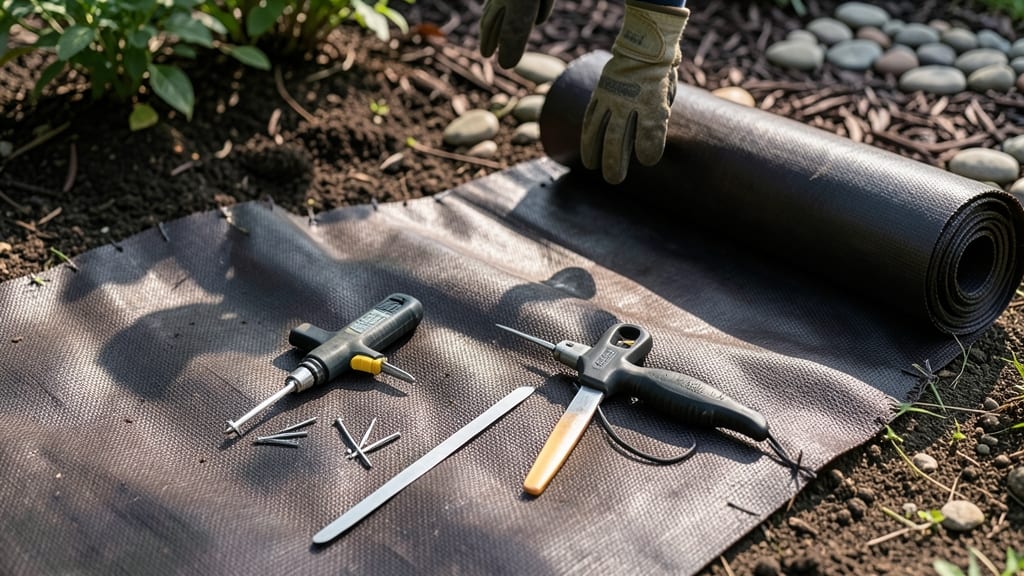
Buying guide: how to choose the right flower bed fabric
1. Breathability Percentage 💡
The most critical factor for plant health is breathability—measured as a percentage of air and water that can pass through the fabric. Aim for 90%+ breathability to ensure roots receive adequate oxygen and moisture.
Fabrics with lower breathability (70-80%) may smother plants over time, leading to stunted growth or even root rot. Counter-intuitively, thicker fabrics don’t always mean better breathability—some heavy-duty options prioritize weed blocking over permeability. I recommend fabrics with slit edges for custom fitting, which often improve airflow around roots.
For annuals and perennials, prioritize higher breathability, while vegetable gardens can tolerate slightly lower percentages (80-85%) if paired with organic mulch.
2. Durability and UV Resistance ⚡
Durability depends on your garden’s needs: perennial beds require 4-5 years of UV resistance, while seasonal flower beds may only need 1-2 years.
Look for UV-stabilized coatings (like titanium or proprietary blends) to prevent degradation from sunlight. Heavier fabrics (4+ oz/sq yd) last longer but can be harder to install, while lighter options (3 oz/sq yd) are easier to handle but may tear more easily.
For high-traffic areas (like pathways or shrub borders), invest in reinforced edges—they reduce fraying and extend lifespan. Pro tip: If you’re using fabric under mulch, opt for premium UV protection to avoid premature breakdown.
3. Weight and Thickness ✅
Weight directly impacts weed suppression and installation ease. Heavyweight fabrics (4.3+ oz/sq yd) block weeds more effectively but require landscape staples or a stapler for secure installation. Lightweight options (3 oz/sq yd) are ideal for beginner gardeners or temporary beds, as they’re easier to cut and lay.
For shrub beds, I recommend medium-weight (4.0 oz/sq yd) fabrics—they balance durability and ease of use. Avoid ultra-thin fabrics (under 3 oz/sq yd) for perennial beds; they’ll degrade quickly and fail to suppress weeds. Always check the roll width—extra-wide options (10+ ft) reduce seams and save time.
4. Biodegradability vs. Permanence 🔍
Choose based on your long-term goals: Biodegradable fabrics (2-year lifespan) are eco-friendly and ideal for renters, vegetable gardens, or temporary plantings, but they require replacement. Permanent fabrics (4-5 years) save long-term effort but may not decompose.
For eco-conscious gardeners, look for polypropylene blends with biodegradable additives—they break down naturally without leaving plastic waste. If you’re planting perennials or shrubs, a permanent fabric is worth the investment. For annuals or seasonal beds, biodegradable options reduce waste and simplify cleanup.
Always pair fabric with 2-3 inches of mulch to maximize weed suppression and moisture retention.
5. Compatibility with Mulch and Soil 🛡️
Not all fabrics play well with mulch or soil types. Organic mulches (like wood chips or straw) work best with highly breathable fabrics (90%+) to prevent anaerobic conditions. Inorganic mulches (gravel or rocks) pair well with heavier fabrics (4+ oz/sq yd) for weed control.
Avoid using plastic sheeting under fabric—it traps moisture and suffocates roots. For sandy soils, opt for lighter fabrics to prevent compaction, while clay soils benefit from heavier, reinforced options to resist tearing.
Always prep the soil by removing rocks and leveling the bed before installation—this ensures the fabric lies flat and maximizes effectiveness.
Frequently asked questions
Q: What is the best flower bed fabric for perennial gardens?
A high-breathability fabric with 4-5 years of UV protection is ideal for perennials. Look for options like the premium choice with 95% breathability and reinforced edges—these prevent root smothering while blocking weeds for years. For shrubs, prioritize heavyweight (4.3+ oz/sq yd) fabrics to resist tearing from expanding roots. Avoid lightweight options under perennials; they degrade faster and fail to suppress weeds effectively.
Q: Can I install flower bed fabric under mulch, and what type should I use?
Yes! Pair highly breathable fabrics (90%+ permeability) with organic mulch (like wood chips or straw) to prevent anaerobic conditions. For inorganic mulch (gravel or rocks), use heavier fabrics (4+ oz/sq yd) to ensure weed suppression. Always avoid plastic sheeting underneath—it traps moisture and suffocates roots. Top with 2-3 inches of mulch to maximize weed control and moisture retention.
Q: How do I prevent flower bed fabric from smothering plant roots?
Choose fabrics with 90%+ breathability and slit edges for custom fitting around roots. For deep-rooted perennials, cut X-shaped slits in the fabric before planting. Avoid ultra-thin fabrics (under 3 oz/sq yd)—they degrade quickly and reduce airflow. Always secure edges with landscape staples and pair with organic mulch to maintain root health while suppressing weeds.
Q: What’s the difference between biodegradable and permanent flower bed fabric?
1
Biodegradable fabrics
(2-year lifespan) break down naturally, making them ideal for renters, vegetable gardens, or seasonal beds. They’re eco-friendly but require replacement. Permanent fabrics (4-5 years) save long-term effort and are better for perennials or shrubs. For eco-conscious gardeners, opt for polypropylene blends with biodegradable additives—they decompose without leaving plastic waste. Choose based on your garden’s longevity needs.
Q: Is flower bed fabric worth the investment for high-weed areas?
In high-weed areas, a mid-range to premium fabric (3-5 years of UV protection) reduces weeding time by 80%+ while protecting plant health. For example, the best overall option with 90% breathability and heavyweight construction outperforms mulch alone, especially in shrub beds or perennial gardens. Even budget-friendly options (1-year UV resistance) are cost-effective for seasonal flower beds, saving time and effort over multiple seasons.
Q: How do I install flower bed fabric without gaps or tears?
Start by removing rocks and leveling the soil—uneven surfaces cause gaps. Lay the fabric overlapping edges by 6-12 inches and secure with landscape staples (every 12 inches). For curves, use pre-slit edges or cut custom shapes. Avoid stretching the fabric—it should lie flat. Top with mulch or soil immediately to weigh it down. For extra-wide rolls (10+ ft), minimize seams to reduce weed growth between sections.
Q: Can I use flower bed fabric in vegetable gardens?
Yes, but choose biodegradable or highly breathable fabrics (85%+ permeability) to avoid smothering roots. Pair with straw mulch for maximum weed control. Avoid permanent fabrics in veggie gardens—they can degrade soil quality over time. For raised beds, lightweight (3.5 oz/sq yd) options are easiest to install and replace annually. Always cut X-shaped slits for plant roots to prevent stunting.