
Flowers
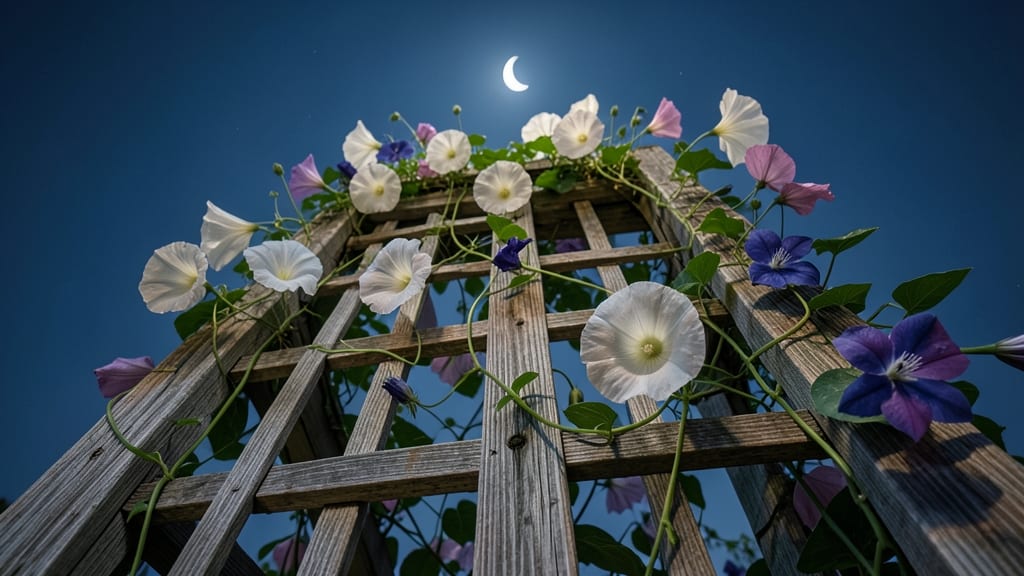
Transform your garden into a lush, ever-changing masterpiece with these 10 expert-curated flower bed greenery combinations. Each selection ensures year-round interest, from early spring blooms to late autumn color, while maintaining texture, height, and seasonal variety.
Heuchera and Fern Ground Cover Duo
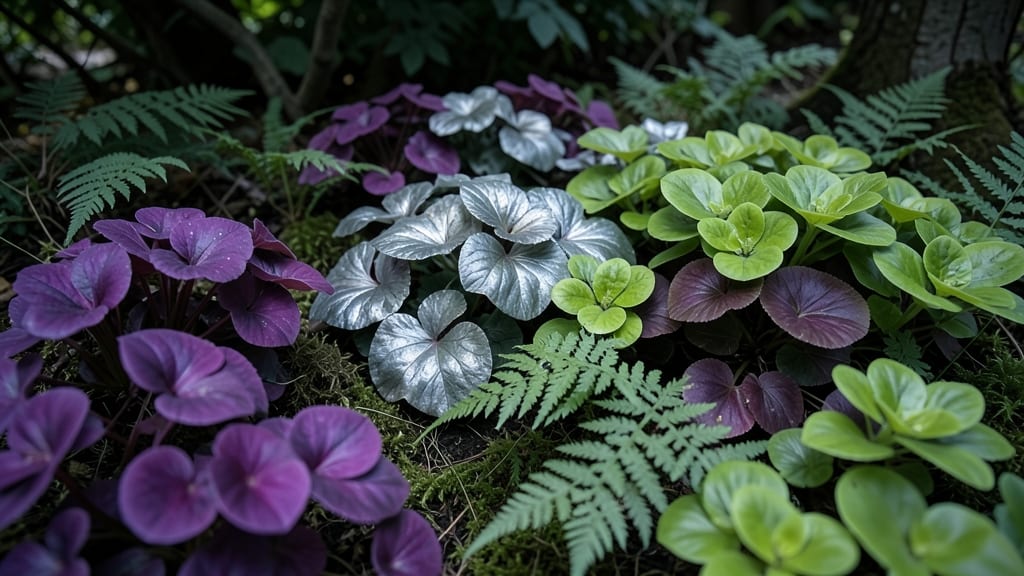
Turn your shady garden corners into vibrant focal points with a Heuchera and fern ground cover duo—a low-maintenance pair that thrives where sunlight is scarce. The colorful foliage of Heuchera (also called coral bells) comes in stunning shades of purple, silver, or lime green, while delicate ferns add lacy texture and softness to create a dreamy, woodland-inspired bed.
These plants are perfect for gardeners who want year-round greenery with minimal effort. Heuchera handles partial to full shade and even tolerates dry soil once established, while ferns like Osmunda cinnamomea (cinnamon fern) or Matteuccia struthiopteris (ostrich fern) provide feathery contrast. Plant Heuchera in clusters for bold color, then tuck ferns around the edges or between them for a cascading effect.
This duo is ideal for beginner gardeners or anyone with shady spots that struggle to support traditional flowers. The combination creates a textured, evergreen carpet that stays lush and inviting, even in the darkest corners of your yard. 🌿
Ornamental Grass and Lavender Border
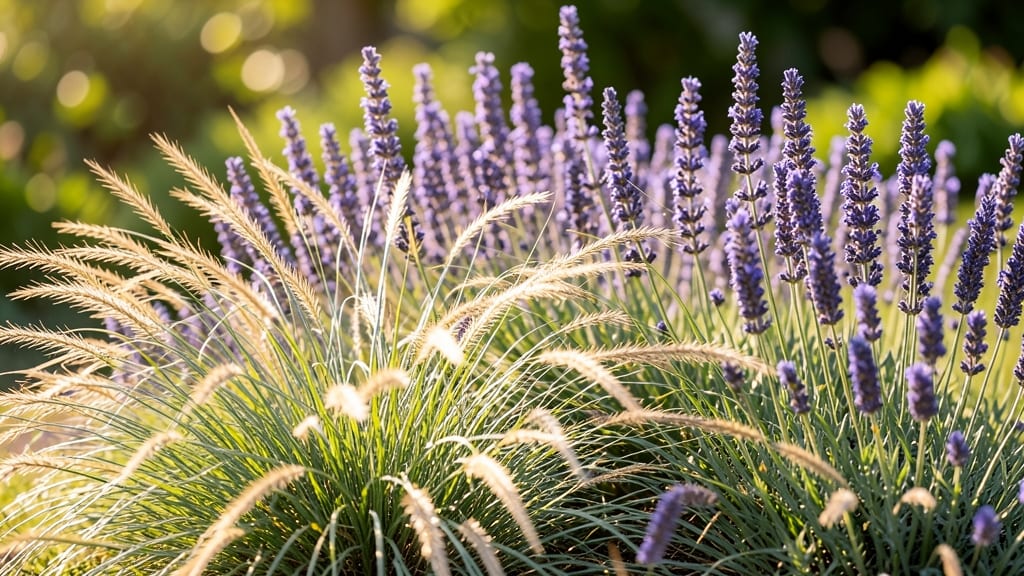
If you're looking for a sunny perimeter that requires almost no watering once established, this drought-resistant duo delivers year-round elegance. The airy plumes of fountain grass (like Pennisetum varieties) sway gently in the breeze, while lavender spires release their signature fragrance—perfect for creating a sensory garden experience.
Plant lavender in clusters along the front of your border, spacing them 12-18 inches apart for full coverage. Behind it, tuck fountain grass in odd-numbered groupings (3 or 5 plants) for natural movement. Both thrive in 6+ hours of full sun and well-drained soil, making them ideal for hot, dry climates. Prune lavender lightly after blooming to encourage bushiness, while grass only needs a late-winter trim.
This combination is ideal for urban gardeners with limited water access or anyone wanting to attract butterflies and bees without extra effort. The vertical lines of grass and fragrant blooms create a striking, low-maintenance border that keeps blooming from early summer through fall. 🌻
Hostas with Bleeding Heart Shadows
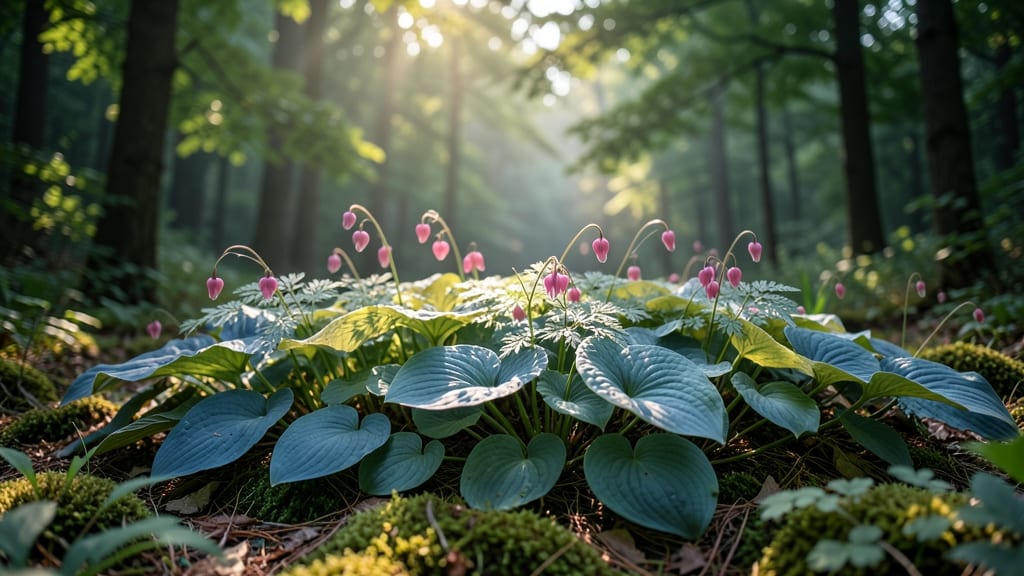
Want to create a dramatic woodland garden that feels like a secret retreat? Pair hostas with bleeding heart (Dicentra spectabilis) for a timeless combo that thrives in shade while offering year-round visual interest.
Start by planting hostas—choose varieties like 'Blue Angel' or 'Francee' for their bold, heart-shaped leaves—as your foundational foliage. These shade-loving perennials provide lush, architectural greenery that frames delicate bleeding heart blooms in soft pink or white. The flowers emerge in early spring, while the hostas' foliage remains vibrant through summer, creating a striking contrast. For best results, plant bleeding heart in clusters behind hostas to allow their arching stems to spill gracefully over the leaves.
This combo is perfect for gardeners who love low-maintenance shade gardens and want to extend their blooming season. The hostas' deep green leaves also help suppress weeds, making this an easy-care duo for any woodland-inspired bed. 💚
Sedum and Echinacea Pollinator Haven
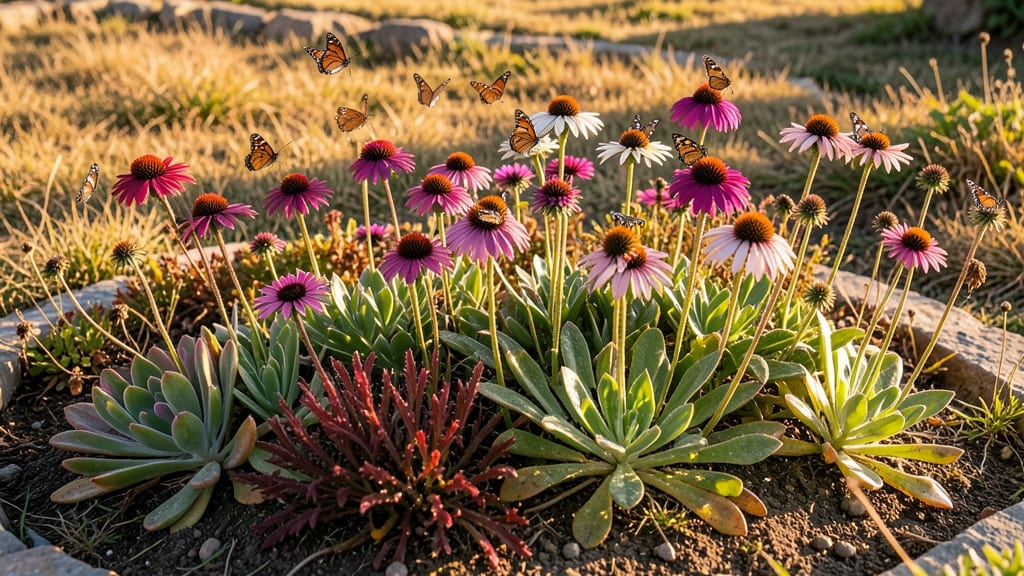
Watch your garden transform into a butterfly buffet with this effortless duo of sedum and echinacea. These sun-loving perennials thrive together, offering vibrant late-summer blooms while requiring almost no maintenance once established.
Plant drought-tolerant sedum varieties like 'Autumn Joy' or 'Dragon's Blood' alongside purple coneflowers for a striking color contrast. The sedum's trailing stems create lush ground cover, while echinacea's tall, daisy-like blooms attract pollinators by the dozens. This combination thrives in full sun with well-drained soil and needs watering only during prolonged dry spells.
Perfect for busy gardeners or those with dry climates, this pollinator haven delivers beauty with minimal effort. 🌻
Japanese Maple and Boxwood Foundation
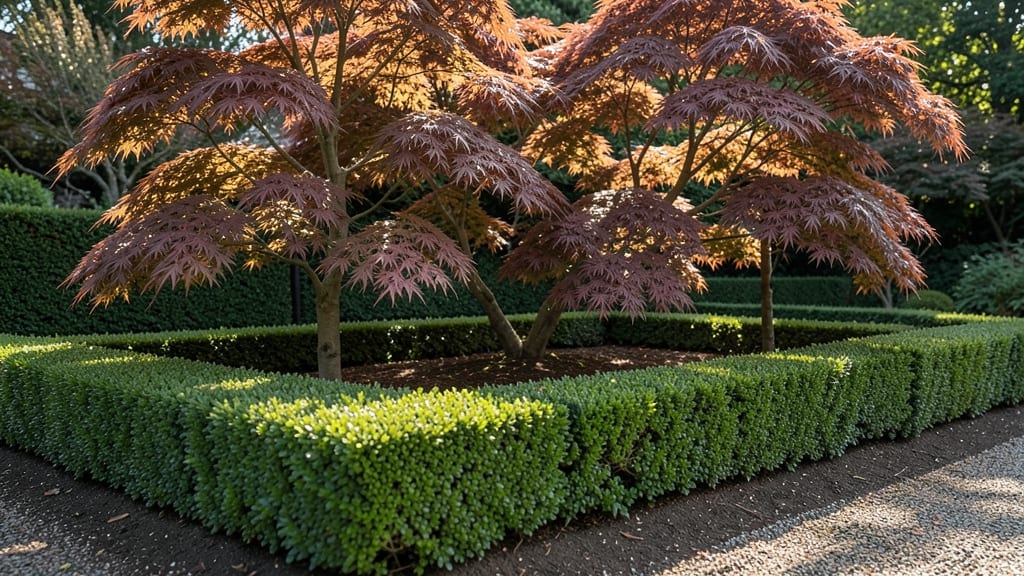
Crafting a formal garden that feels timeless and elegant starts with a strong foundation—where boxwoods and Japanese maples shine as the ultimate duo. These plants work together to create structure, texture, and seasonal drama without overwhelming maintenance.
Begin with boxwoods, the unsung heroes of formal gardens. Their slow-growing, dense foliage holds its shape naturally, making them ideal for hedges, topiary, or geometric borders. Pair them with Japanese maples, which burst with spring blossoms, lush summer leaves, and fiery autumn flames—adding color and movement to the structured greenery. For best results, plant boxwoods in partial shade (they tolerate full sun in cooler climates) and Japanese maples in morning sun with afternoon shade to protect their delicate leaves.
This combination is perfect for gardeners who love classic design but want year-round interest. The boxwoods provide the polished backbone, while the maples bring life and color, ensuring your garden stays stunning through every season. ✨
Salvia and Russian Sage Vertical Drama
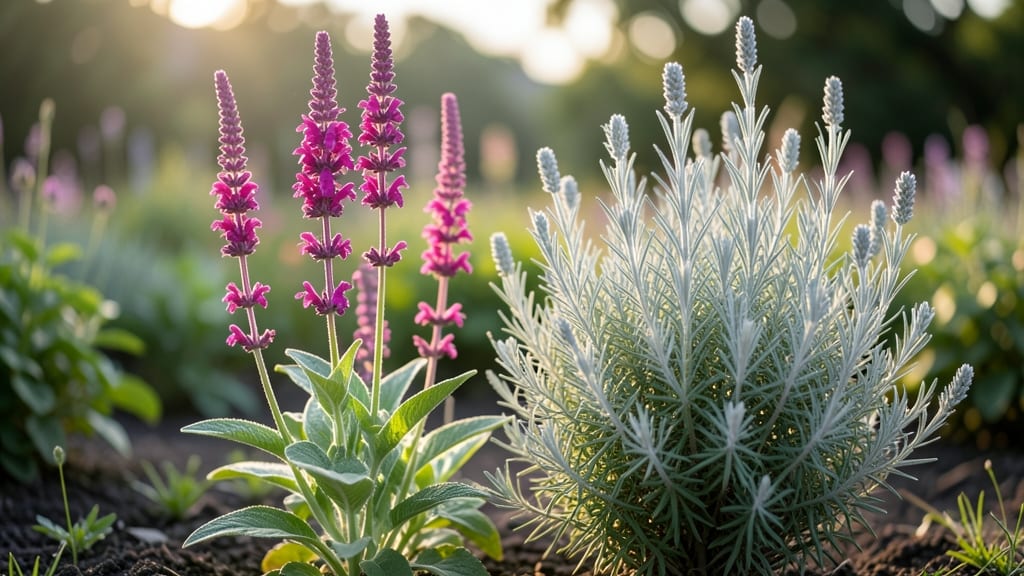
When your flower bed needs a dramatic vertical pop without the watering can drama, salvia and Russian sage deliver. These two aromatic powerhouses grow 4-5 feet tall, creating natural vertical interest that draws the eye upward while demanding minimal care.
Plant salvia (with its magenta spikes) alongside Russian sage (lavender-blue plumes) in full sun for a drought-tolerant duo that thrives on neglect. Both attract hummingbirds and bees, turning your garden into a pollinator paradise. Prune back in early spring to encourage bushier growth and enjoy season-long blooms from summer through fall.
Perfect for urban gardens with limited space or water restrictions, this combo adds height and fragrance without the fuss. 🌟
Ajuga and Creeping Thyme Carpet
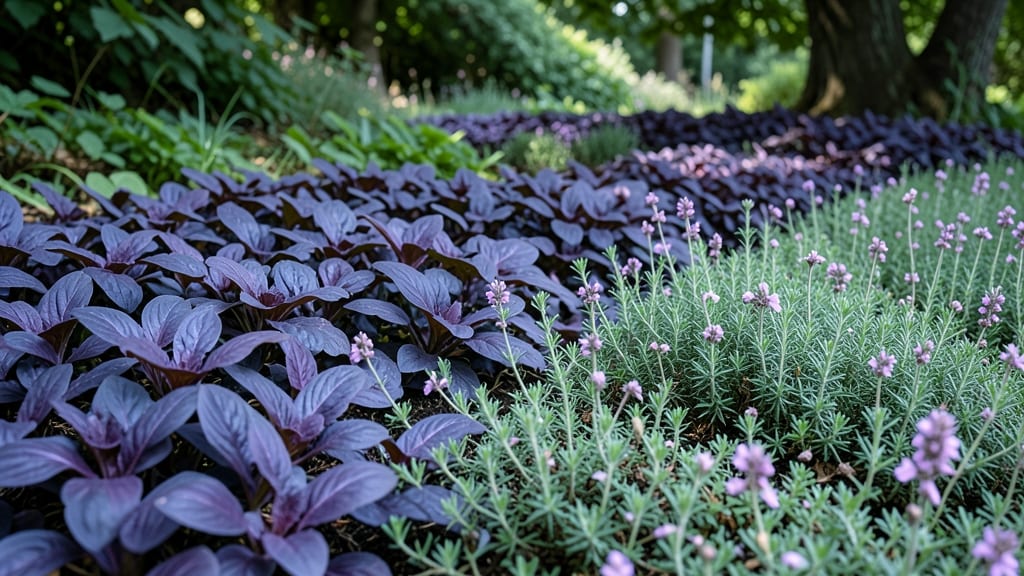
Tired of battling weeds in your shady flower beds? A purple ajuga and creeping thyme carpet is the ultimate solution—this dynamic duo suppresses weeds while adding fragrant, low-growing beauty that thrives in partial shade.
Ajuga spreads aggressively (up to 18 inches wide) with striking purple foliage and delicate spring blooms, while creeping thyme repels pests with its strong aroma and drought-tolerant nature. Together, they form a lush, fragrant mat that stays green year-round in zones 4-9. Plant them in clusters along pathways or as a living mulch under shrubs for effortless weed control.
This combo is perfect for busy gardeners who want low-maintenance greenery that still delivers color and texture. The thyme’s pest-repelling properties make it a natural guardian for your garden. 💚
Dahlias with Coral Bells Filler
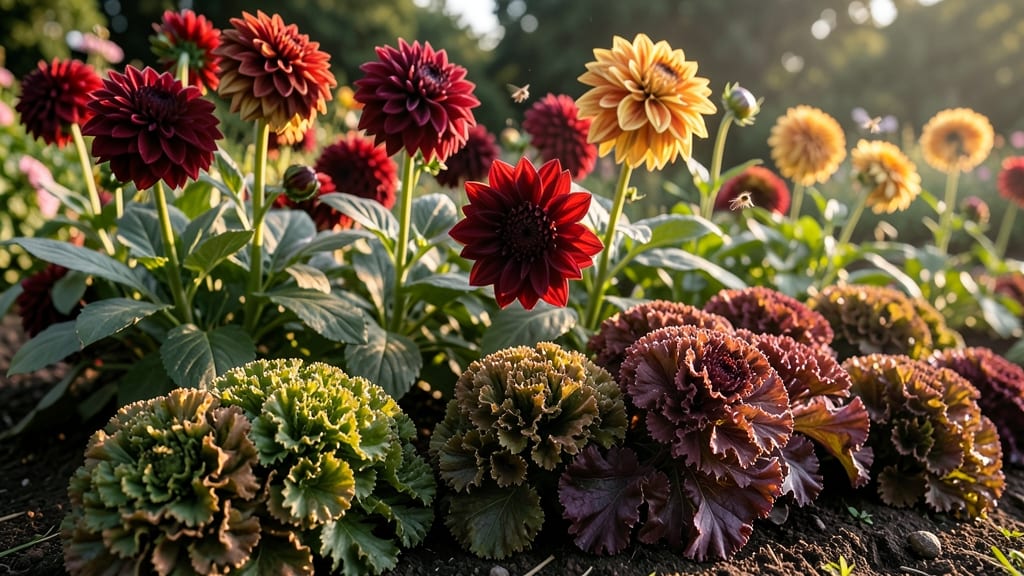
Ready to turn heads in mid-summer? Pair dahlias with Heucherella (Coral Bells) for a showstopping combo that blooms continuously until frost. This pairing creates stunning height variation while keeping maintenance simple—perfect for gardeners who want drama without the fuss.
The bold, dinner-plate dahlias (3-5 feet tall) provide vertical impact, while Heucherella's coral foliage (1-2 feet) adds warm, textured contrast. Plant dahlias in the back for height, then tuck Heucherella around the base. Both thrive in full sun to partial shade and prefer well-draining soil. Deadhead dahlias regularly to encourage more blooms.
This combination is ideal for cottage gardeners or anyone craving late-season color. The year-round foliage interest from Heucherella ensures your bed stays vibrant even after dahlias fade. 🌻
Wintergreen Boxwood and Holly Shrubs
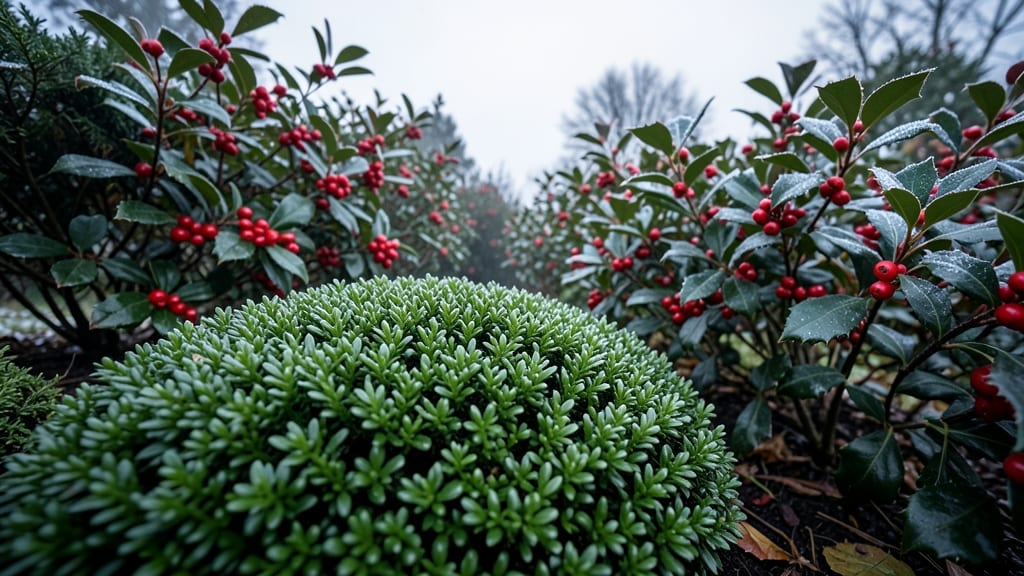
When your garden seems to take a winter nap, wintergreen boxwood and holly shrubs keep the show going with their glossy evergreen leaves and vibrant berries. These hardy plants provide year-round structure, ensuring your flower bed stays visually appealing even when other plants have gone dormant.
Boxwood varieties like 'Winter Gem' maintain their rich green color through freezing temperatures, while holly shrubs like 'Winterberry' offer striking red berries that persist until spring. Plant them together for a textured contrast—boxwood's dense foliage paired with holly's spiky branches. Both thrive in partial shade to full sun and require minimal pruning to maintain their shape.
This duo is perfect for gardeners who want low-maintenance winter interest while also supporting local birds and adding festive holiday charm. 💚
Moonflower Vine and Clematis Trellis

Turn your trellis into a nighttime spectacle with moonflower vine and clematis—a dynamic duo that transforms your garden into a twilight wonderland. While most flowers sleep at night, moonflowers unfurl their large, fragrant white blooms as the sun sets, filling the air with a sweet, coconut-like scent that draws night pollinators like moths.
Plant moonflower vine (Ipomoea alba) at the base of your trellis, where it will climb and spread rapidly in just one growing season. Pair it with clematis varieties that bloom in the daytime—think deep purples, pinks, or blues—to create a 24-hour color show. Clematis thrives with morning sun and afternoon shade, while moonflowers love full sun but appreciate afternoon relief from intense heat. Prune clematis in early spring to encourage strong growth, and let moonflowers self-seed for effortless renewal each year.
This combination is perfect for gardeners who love romantic, sensory-rich spaces and want to extend their garden’s magic into the evening hours. The contrast between daytime clematis and night-blooming moonflowers creates a layered, ever-changing display that feels like a secret garden. ✨