
Featured
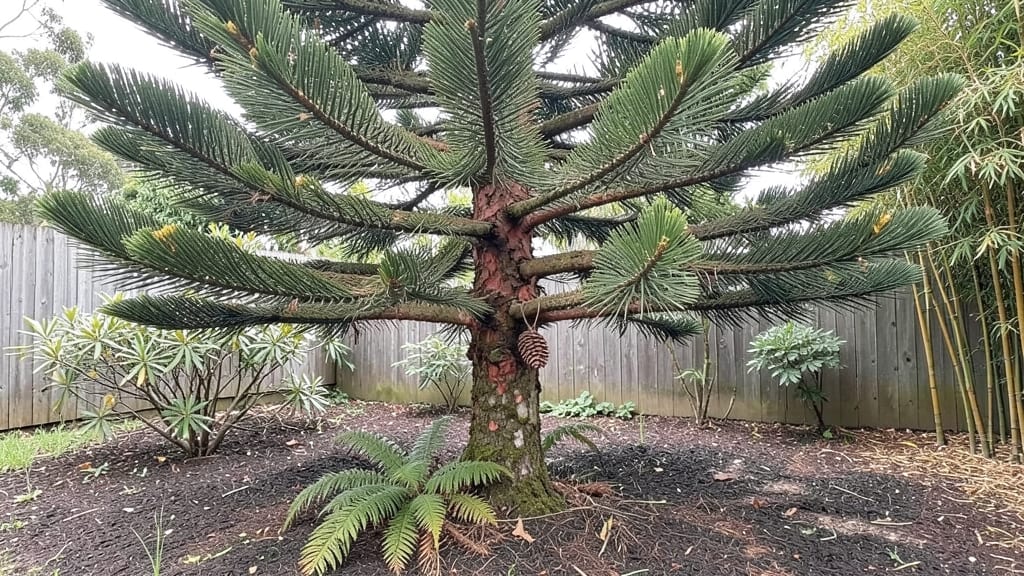
The Curitiba Botanical Garden is a biodiversity treasure trove featuring over 7,000 plant species, from rare orchids to native Brazilian flora, with themed trails like the Japanese Garden and Fern House. This free-admission garden operates daily, offering guided tours that spotlight its conservation work and botanical research.
The Curitiba Botanical Garden stands out as Brazil's largest botanical garden, covering a sprawling 45-hectare area that mimics natural ecosystems. 🌿 Its humidity-controlled greenhouses protect delicate species like the giant water lily (Victoria amazonica), while open-air trails showcase carnivorous plants and bromeliads adapted to Brazil's diverse climates.
What makes it truly special is how it blends research with public access—visitors can walk through living laboratories where conservation meets education.
Beyond its stunning plant collections, the garden plays a critical role in preserving endangered species through its seed bank programs. These initiatives help safeguard Brazil's botanical heritage, making each visit not just a scenic experience but a chance to support global biodiversity efforts.
The guided tours, led by botanists, reveal fascinating details about pollination cycles and rare species that thrive only in Curitiba's carefully curated microclimates.
💡 In This Article
- Exploring Curitiba Botanical Garden’s Unique Ecosystems
- Best Times and Tips for Visiting Rare Species
Exploring Curitiba botanical garden’s unique ecosystems
Curitiba Botanical Garden creates carefully engineered microclimates to preserve delicate species that couldn't survive in the region's natural conditions. The garden's humidity-controlled greenhouses maintain 80-90% relative humidity—ideal for carnivorous plants like Nepenthes and giant water lilies (Victoria amazonica), which require standing water to thrive.
These environments mimic tropical rainforest conditions, where temperatures hover around 24-28°C year-round, protected from Curitiba's seasonal extremes that can drop below 10°C in winter. 🌿
The 45-hectare site uses a sophisticated system of water circulation and misting to regulate these microclimates. For example, the greenhouse housing Victoria amazonica maintains a 1-meter-deep water table to support the plant's massive leaves, which can reach 2 meters in diameter.
Meanwhile, open-air trails feature species adapted to drier conditions, like bromeliads that store water in their rosettes—a natural adaptation to Brazil's seasonal droughts. The garden's soil composition varies by section, with acid-loving plants like orchids planted in peat-based mixes, while succulents thrive in well-draining volcanic rock substrates.
What makes this conservation approach groundbreaking is how it bridges science and public access. The garden's botanists monitor 24 environmental parameters daily, including light spectra, CO₂ levels, and fungal presence—critical for preventing plant diseases.
For instance, the carnivorous plant section uses UV-filtering glass to replicate the dappled sunlight of their natural habitats, preventing leaf burn while maintaining photosynthesis efficiency.
This precision allows species like the Venus flytrap (Dionaea muscipula) to flower reliably, a process that normally occurs only every 5-7 years in the wild. 🔬
The garden's layout itself tells a story of ecological adaptation. The Japanese Garden section, for example, uses traditional water features to create a 20% higher humidity zone than surrounding areas, perfect for hosting seasonal cherry blossoms and maples.
Meanwhile, the Fern House maintains 95% humidity through a closed-loop fogging system that recycles water, demonstrating sustainable conservation techniques. These microclimates aren't just about preservation—they create opportunities for scientific study, like tracking how Victoria amazonica leaves float in controlled water conditions to understand their buoyancy mechanics.
Curitiba's garden plays a unique role in global conservation by serving as a "living seed bank." While traditional seed banks store genetic material, this garden grows 1,200 endangered species that can't be preserved through seeds alone.
The Orchidarium, for example, houses 600 orchid species, many of which rely on specific fungal relationships for germination—a process scientists are studying to develop lab protocols. This hands-on approach has led to breakthroughs like successfully cultivating Phragmipedium caudatum, an orchid once thought extinct in the wild.
The garden's research isn't just academic; it directly informs reforestation projects across Brazil's Atlantic Forest region. 🌍
Visitors often overlook how these ecosystems function together. The garden's 45-hectare area includes both protected greenhouses and open trails that demonstrate ecological succession—how different plant communities interact. For example, the carnivorous plant bog features species that naturally suppress weeds through their insectivorous habits, reducing the need for chemical interventions.
This holistic approach makes Curitiba's garden a model for urban biodiversity conservation, proving that even in a city environment, complex ecosystems can thrive when carefully managed. The result is a living laboratory where every plant plays a role in the garden's delicate ecological balance.