
Container Gardens
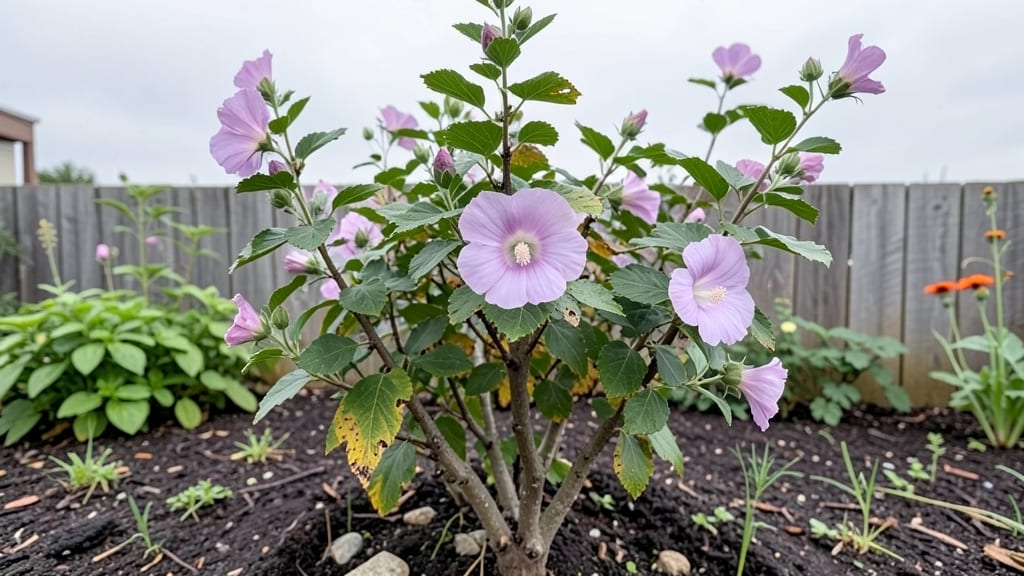
The Botanical Gardens Belfast showcase breathtaking plant collections, from exotic orchids to Victorian-era landscapes, all within 23 acres of meticulously curated gardens. This free-access site combines conservation with public enjoyment through seasonal events and educational exhibits.
Belfast’s Botanical Gardens stand out as a lush escape in Northern Ireland, where climate-controlled glasshouses protect delicate tropical species like rare orchids and ferns. 🌿 The gardens’ design reflects both historical preservation (with original Victorian-era structures) and modern conservation, making them a living laboratory for plant science.
Visitors often marvel at how the gardens adapt to Belfast’s rainy climate—think of the waterproof pathways and sheltered viewing areas that keep exploration comfortable year-round.
What makes this spot truly special is its dual role as both a scientific resource and a public retreat. The gardens host everything from school field trips to botanical research projects, all while welcoming day-trippers for free.
Whether you’re tracking seasonal blooms or simply soaking in the serene atmosphere, it’s a place where nature and history intersect seamlessly.
💡 In This Article
- Exploring Belfast Botanical Gardens’ Unique Plant Ecosystems
- Tips for Visiting Belfast Botanical Gardens Like a Pro
Exploring Belfast botanical gardens’ unique plant ecosystems
The gardens' temperate glasshouses create microclimates that mimic tropical conditions, allowing delicate species to thrive in Belfast's cool, maritime climate. These structures maintain temperatures between 68-75°F year-round, replicating the humidity of rainforests while protecting plants from the region's frequent 800mm annual rainfall.
The largest glasshouse, built in 1828, originally housed exotic plants for the Belfast Botanic and Horticultural Society—now it features 1,200+ plant species, including carnivorous pitcher plants and 50+ orchid varieties that would otherwise perish in outdoor conditions. 🌿
Native Irish flora takes center stage in the woodland garden section, where species like the rare whitebeam tree (Sorbus aria) and heathland plants (such as ling heather) demonstrate how Belfast's acidic soils and moderate temperatures shape local ecosystems.
The gardens' conservation team has reintroduced 15 native plant species that were previously thought extinct in the region, using seeds preserved from 19th-century herbarium collections.
Visitors can see how these plants interact with Belfast's high humidity levels (average 85% relative humidity in summer) through specially designed rainwater collection systems that sustain drought-sensitive species.
The themed gardens—like the Japanese garden and scented garden—highlight how geography influences plant selection.
The Japanese garden, for example, uses imported volcanic soil to replicate Japan's acidic, mineral-rich substrates, while the scented garden features 200+ fragrant plants chosen for their ability to thrive in Belfast's windy coastal conditions.
The gardens' seasonal bloom cycles are carefully managed: Spring brings 5,000+ tulips and daffodils, while autumn showcases crimson maples and goldenrod that turn vibrant despite the region's short growing season (180 days). 🍂
What most visitors don't realize is how the gardens' conservation science directly benefits global biodiversity. The on-site plant propagation lab has successfully cloned endangered Irish ferns and developed disease-resistant varieties of native shrubs.
These techniques are now shared with 12 international botanical gardens, including those in New Zealand and Canada, where similar climates exist.
The gardens also track pollinator populations, with 20+ bee species regularly documented in their wildflower meadows—a critical habitat in urban Belfast where natural spaces are scarce.
Seasonal events like the Annual Flower Show (held since 1888) reveal the gardens' adaptive strategies. During these events, 30,000+ bulbs are planted in 6-week cycles to ensure continuous blooms, despite Belfast's unpredictable weather.
The show's temperature-controlled exhibition halls maintain 65-70°F to protect delicate displays from the city's average winter lows of 37°F. This precision horticulture is what allows the gardens to host orchid exhibitions featuring 100+ species, including the Cattleya labiata—a $2,000-per-plant rarity that requires 70% humidity to flourish.
The gardens' layout also tells a story of historical climate adaptation. The Victorian-era glasshouses use double-layered glass panes (a 19th-century innovation) to reduce heat loss, while modern additions incorporate solar-reflective coatings to prevent overheating. This dual approach ensures energy efficiency while maintaining the original aesthetic.
For plant lovers, the gardens serve as a living textbook of climate resilience, proving how careful curation can bridge tropical and temperate ecosystems in unexpected places. ✨