
Tools
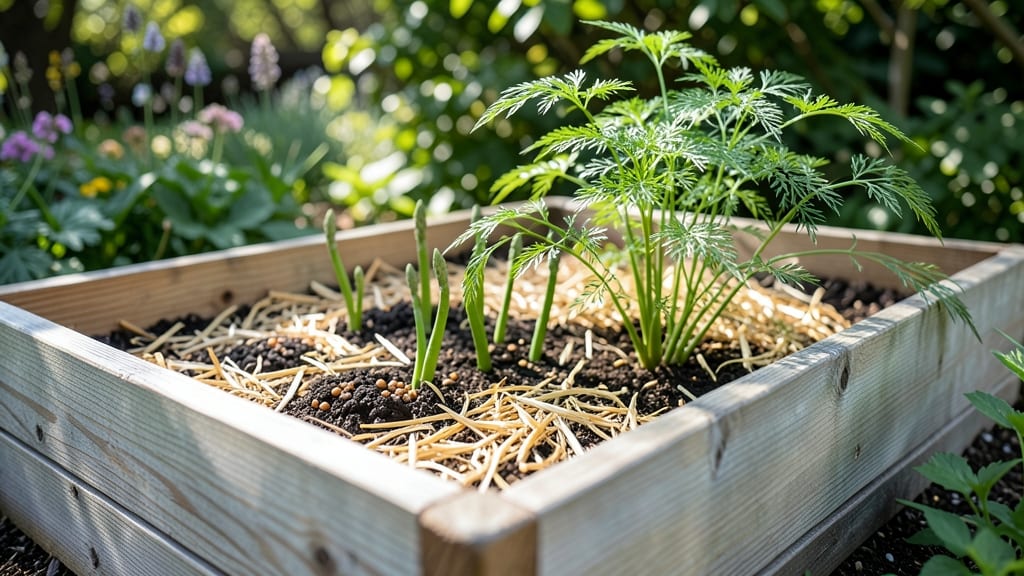
An asparagus raised bed garden transforms a patch of yard into a decades-long harvest with almost no soil prep. ✨ Unlike most vegetables, asparagus crowns live for 15+ years, making this one of the most rewarding investments you can make in your garden.
The key? A deep, well-drained bed that mimics the natural conditions asparagus thrives in—without the backbreaking digging.
You’ll need a 4-foot-wide by 8-foot-long raised bed (minimum 12 inches deep) filled with a mix of compost, aged manure, and coarse sand for drainage. Asparagus crowns should be spaced 12 inches apart, with rows 18 inches apart to allow for future growth.
The first year focuses on establishing roots, so resist the urge to harvest—you’ll get full yields by year three when the plants mature.
Companion planting with onions, garlic, or chives deters pests while adding flavor to your harvest. The bed’s deep soil retains moisture better than in-ground planting, so you’ll water less and see tender shoots emerging in early spring before most gardeners even think about planting.
By summer, the fern-like foliage adds texture to your garden while storing energy for next year’s harvest.
This system works in zones 3-8, adapting to both cool climates and mild winters. The raised bed’s structure also makes it easier to control weeds and soil temperature, giving you consistent harvests with minimal effort.
Once established, asparagus needs almost no maintenance—just a little mulch and patience to enjoy one of the most satisfying crops in your garden.
📚 In This Guide
- What you need
- Instructions
- Tips and common mistakes
- Wrapping up and next steps
What you need
- ● Raised bed frame: 4’ x 8’ (or larger) with 10–12” deep sides (cedar or untreated wood recommended).
- ● High-quality soil: 3–4 cubic yards of a mix of topsoil, compost, and aged manure (50/30/20 ratio).
- ● Asparagus crowns: 1-year-old, disease-free crowns (10–15 per 4’ x 8’ bed).
- ● Organic mulch: Straw or wood chips (2–3 inches thick).
- ● Garden tools: Shovel or spade
- ● Garden trowel
- ● Rake
- ● Measuring tape
- ○ Watering system: Drip irrigation or soaker hose (optional but helpful for consistency).
- ● Soil test kit (to check pH and nutrient levels).
- ● Compost activator (speeds up decomposition).
- ● Fertilizer (balanced 10-10-10 or organic options like fish emulsion).
- ● Row covers or frost cloth (for early-season protection).
- ● Garden journal (to track growth and harvest dates).
Step-by-Step guide to building an asparagus raised bed garden
Here’s how to create a low-maintenance asparagus patch that rewards you with harvests for decades.
🌱 Step 1: Select and Prepare the Raised Bed Site
Choose a location with at least 6 hours of direct sunlight daily—asparagus thrives in full sun but tolerates light shade. Avoid spots where water pools, as soggy roots invite rot. I like to place my beds where they’ll receive morning sun and afternoon shade in hot climates, which prevents crowns from overheating.
Clear the area of weeds and debris, then mark a 4-foot by 8-foot rectangle (standard for 4 plants). Asparagus spreads aggressively, so wider beds give you more harvestable crowns without overcrowding. Use a shovel to dig out any remaining vegetation and loosen the soil to a depth of 12 inches—this improves drainage and root penetration.
🪴 Step 2: Construct the Raised Bed Frame
Build a frame using untreated lumber (2x6s or 2x8s) to create a bed that’s 10-12 inches deep—asparagus roots need room to grow downward. I use cedar because it resists rot and lasts 10+ years. Assemble the frame with galvanized screws (not nails) to ensure stability, and line the bottom with landscape fabric to block weeds while allowing water drainage.
Position the frame so it’s level—uneven beds cause poor water distribution and uneven growth. Leave 12 inches of clearance between the bed’s edge and any permanent structures (like fences or sheds) to accommodate future spears. If your soil is heavy clay, consider adding 4 inches of coarse sand to the bottom layer for better drainage.
🌿 Step 3: Layer and Amend the Raised Bed Soil
Fill the bottom 6 inches with a mix of 50% composted manure (cow or horse) and 50% topsoil—this provides nutrients without overwhelming the plants. Avoid fresh manure, which can burn tender roots. Next, add 4 inches of peat moss or coconut coir to improve moisture retention and aeration.
Top with 2 inches of finished compost and mix everything thoroughly. Asparagus prefers slightly acidic to neutral soil (pH 6.5-7.5), so test your mix with a soil kit if your area has alkaline soil. If needed, amend with sulfur or pine needles to lower pH. Leave the bed empty for 2-3 weeks before planting to allow the soil to settle and microbes to activate.
🌱 Step 4: Plant Asparagus Crowns Correctly
Purchase 1-year-old asparagus crowns (not seeds) from a reputable nursery—these establish faster and produce harvestable spears in 2-3 years instead of 3-4. Space 4 crowns in a 4-foot bed, placing them 12-18 inches apart in a square pattern. Dig trenches 6 inches deep and 6 inches wide, then lay the crowns horizontally with the roots spread out.
Cover the roots with 2 inches of soil, leaving the buds exposed. This encourages early root growth before the shoots emerge. Water deeply to settle the soil and eliminate air pockets. Mulch the bed with 3 inches of straw or wood chips to retain moisture and suppress weeds—this is critical in the first year when roots are establishing.
⏰ Step 5: Maintain Through the First Three Years
For the first 2 years, cut back any spears that emerge to below ground level—this redirects energy into root growth. You’ll see fern-like foliage develop by mid-summer, which is normal. Water 1-2 inches per week, ensuring the soil stays moist but not waterlogged. Overwatering in the first year causes crown rot.
Apply 2 inches of compost annually in early spring, focusing on the bed’s surface rather than mixing it in. Asparagus is a perennial, so it benefits from slow nutrient release. By year 3, you can begin harvesting spears—start with 3-4 spears per plant in early spring, then increase gradually. Never harvest more than 20% of the bed in a single season to avoid weakening the plants.
Tips & tricks for perfect asparagus raised bed gardens
Let me share the hard-won insights that'll help you avoid the most common mistakes and maximize your harvest.
Sunlight Strategy: While asparagus needs that full sun, don't place your bed in the hottest afternoon spot—especially in climates where temperatures exceed 90°F. The 6 hours of sunlight should be spread across morning and late afternoon. I've seen beds in full afternoon sun develop heat stress where spears turn yellow and become woody. If you must use afternoon sun, add shade cloth during peak heat hours.
Root Zone Protection: The 12-inch soil depth you loosen in Step 1 is non-negotiable for root development, but here's what nobody tells you: Add 1 cup of bone meal to the bottom layer of your soil mix. This phosphorus boost encourages strong root systems that'll support thicker spears. Just mix it in with the 50% composted manure layer before adding peat moss.
Planting Depth Secret: When planting your 1-year-old asparagus crowns in Step 4, the 2 inches of soil covering the roots should actually be 3 inches if your climate gets very cold winters. The extra depth provides insulation against frost heave that can damage emerging crowns. I've seen this make the difference between a thriving bed and one that struggles to establish.
Watering Wisdom: The 1-2 inches per week guideline in Step 5 is perfect, but timing matters more than you'd think. Water in the morning so foliage dries before evening—this prevents fungal diseases that thrive in damp conditions. I set up a simple drip irrigation system on a timer for my beds, which delivers exactly 1.5 inches every other morning. This consistency is what gives my plants that perfect balance of moisture without overwatering.
Pro Tips for Asparagus Raised Bed Garden
- Let me share the hard-won insights that'll help you avoid the most common mistakes and maximize your harvest.
- Sunlight Strategy: While asparagus needs that full sun, don't place your bed in the hottest afternoon spot—especially in climates where temperatures exceed 90°F.
- Root Zone Protection: The 12-inch soil depth you loosen in Step 1 is non-negotiable for root development, but here's what nobody tells you: Add 1 cup of bone meal to the bottom layer of your soil mix.
Frequently asked questions
Got questions about growing asparagus in a raised bed? Here are some of the most common ones—and their answers—to help you get started with confidence!
How deep should my raised bed be for asparagus?
Aim for 12–18 inches deep—asparagus roots (crowns) need plenty of space to spread and access nutrients. Shallower beds may stunt growth or reduce harvests. If your bed is lighter, add a layer of compost or aged manure to the bottom to boost fertility.
When is the best time to plant asparagus in a raised bed?
Plant crowns in early spring (as soon as soil warms to 50°F+) or late summer/fall for a head start. Avoid transplanting in extreme heat or frost. Pro tip: Soak crowns in water for 2–4 hours before planting to encourage root growth!
How long until I can harvest asparagus from a raised bed?
Be patient! It takes 2–3 years for asparagus to establish fully. In the first year, resist harvesting—let the plants focus on root growth. After that, enjoy 3–5 years of peak harvests (some varieties last 15+ years!).
What pests or diseases should I watch for in a raised bed?
Common issues include asparagus beetles (handpick or use neem oil) and fusarium wilt (rotate crops). Keep beds weed-free and mulch with straw to deter pests. If you spot yellowing fronds, check for overwatering or nutrient deficiencies (add compost or balanced fertilizer).
Can I grow other plants with asparagus in a raised bed?
Asparagus is not a great companion plant—it’s a heavy feeder and needs space. Stick to sole cropping in the bed, but you can interplant shallow-rooted greens (like lettuce) around the edges in early spring before asparagus fronds emerge.
Wrapping up and next steps
Growing asparagus in a raised bed garden is a rewarding journey that pays off with years of delicious harvests—with minimal upfront effort! 🌱 Whether you're a seasoned gardener or a beginner, this low-maintenance method delivers nutrient-rich soil, pest resistance, and long-term yields while keeping weeds at bay.
The key? Patience and a little planning—your future self (and taste buds!) will thank you.
Ready to dive in? Start by sketching your raised bed layout, gathering supplies, and marking your calendar for planting season. Before you know it, you’ll be savoring homegrown asparagus like a pro! 🍽️ Happy gardening!