
Pests
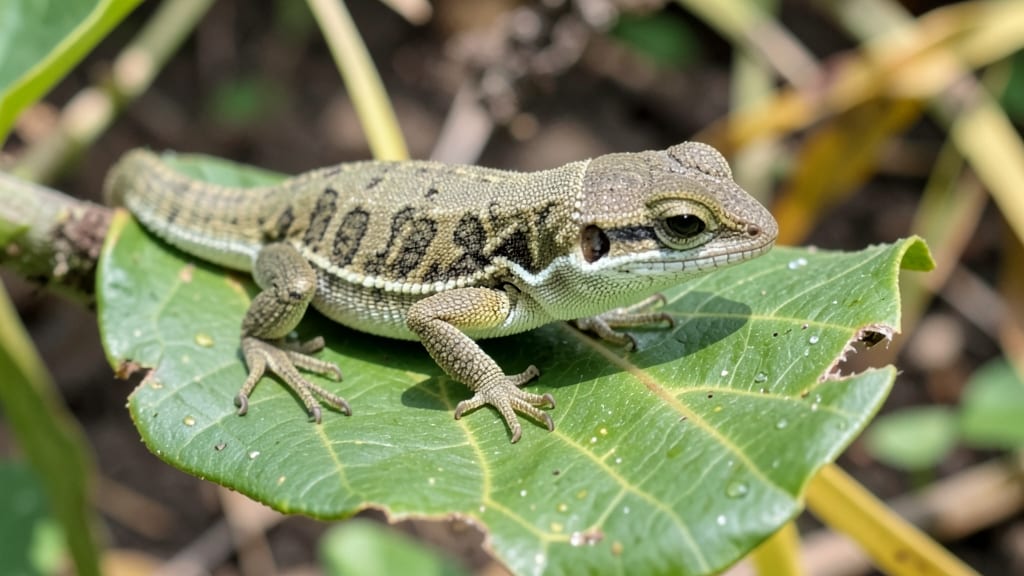
Common garden lizards are harmless to humans in most cases, though their rare bites may cause mild swelling or irritation. These beneficial reptiles feast on pests like aphids and spiders, making them natural garden allies. Relocate them safely using a jar and towel to avoid harm to either party.
These small, fast-moving reptiles are more likely to scurry away than bite, but their defensive posture—raising their tails and hissing—can be startling. 💫 Unlike venomous species, common garden lizards (like anoles or skinks) lack the ability to deliver harmful toxins, though their bites might draw blood if provoked.
Their pest-control habits actually reduce the need for chemical pesticides in your yard, making them more helpful than harmful.
If you need to move one, act quickly during cooler morning hours when they're sluggish. Place a container over the lizard, slide a towel underneath, and release it far from your home—never drop it or use harmful traps.
For prevention, keep outdoor spaces tidy by removing debris where they might nest, and seal small gaps in foundations or sheds.
💡 In This Article
- Do Common Garden Lizards Bite Humans?
- How to Humanely Remove Lizards from Your Garden
Do common garden lizards bite humans?
Common garden lizards like anoles and skinks are built with a defensive-first bite mechanism, not aggression. When threatened, they'll raise their tails, hiss loudly, and only bite if cornered or handled roughly. Their jaws aren't designed for powerful bites—they primarily use them to grab prey like insects or small spiders.
The force behind their bite is comparable to a human's gentle pinch, measuring around 0.5-1.5 pounds per square inch of pressure.
Anoles, for example, have tiny teeth adapted for gripping rather than tearing, while skinks possess slightly stronger jaws but still lack the anatomical structures for venom delivery. Their saliva contains mild bacteria, which explains why bites might cause minor irritation or redness—similar to a small scratch.
Unlike venomous species, they don't inject toxins, making their bites medically insignificant for healthy adults. 💫 The real concern is the psychological shock of being bitten unexpectedly, especially for those unaccustomed to wildlife encounters.
Symptoms from a bite typically include:
- Initial pain: A quick, sharp pinch followed by mild throbbing (like a paper cut)
- Swelling: Localized redness and slight puffiness within 10-30 minutes, rarely exceeding 1 inch in diameter
- Allergic reactions: Rare, but possible in sensitive individuals (itching, rash)—similar to a mild insect sting
What most people don't realize is that lizards are more likely to lose their tails than bite when threatened. This autotomy response (voluntary tail detachment) serves as a distraction technique, allowing them to escape predators.
The tail can regenerate over time, though the new one lacks the original's vertebrae. This survival mechanism is far more common than actual biting behavior in these species.
Comparing common garden lizards to their venomous relatives highlights the safety difference. For instance, the Gila monster delivers venom through grooved teeth, while common lizards have smooth-edged teeth designed for gripping prey.
The venomous species also have specialized glands producing toxins, whereas garden lizards lack these structures entirely. Their bite is purely a last-resort defense mechanism, not an offensive weapon.
If you've been bitten, clean the area with soap and water, apply a cold compress for 5-10 minutes to reduce swelling, and monitor for any unusual reactions.
In rare cases where the bite breaks the skin, you might see a tiny drop of blood—but this is harmless and will clot naturally within 2-3 minutes. The entire experience is far less dangerous than stepping on a bee or getting pricked by a thorn.