
Pests
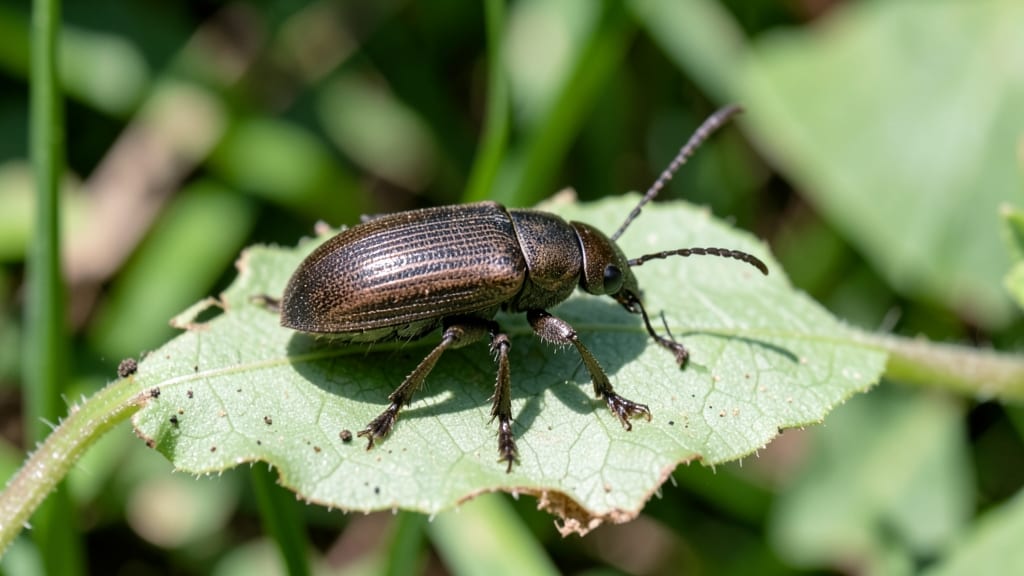
Mastering garden grubs identification is your first line of defense against sneaky soil pests—here’s how to tell which ones are harmless and which will wreck your plants. 🌱 I’ve pulled dozens of these squirming culprits from my soil—some harmless, others destructive—and learned to spot the difference at a glance.
The key lies in their size, shape, and the kind of chaos they leave behind.
Cutworms look like fat caterpillars with smooth, hairless bodies, while Japanese beetle grubs are C-shaped with a shiny, tan shell. Wireworms are stiff, wire-thin, and often yellow or brown, chewing through roots like tiny woodpeckers. Beneficial grubs, like soldier beetle larvae, are slower-moving and don’t leave jagged holes in stems.
You’ll recognize their work by wilted seedlings snapped at soil level, chewed leaves, or plants that collapse overnight. Once you know what to look for, you can act fast—whether that means handpicking, adjusting watering, or introducing natural predators. The right ID means the right fix.
This guide covers the most common offenders in North American gardens, with clear descriptions and damage signs. No more guessing what’s eating your plants—just practical ways to tell friend from foe in your soil. Let’s get started with the visual clues.
The Hidden Triggers Behind Grubs
Grubs—those squirming, soil-dwelling larvae—don’t just appear out of nowhere. Their presence in your garden is usually a sign of underlying conditions that create the perfect breeding ground.
Understanding these triggers helps you address the root cause, not just the symptoms. Let’s break down why these pests invade your soil in the first place.
Grubs thrive in damp, oxygen-poor environments. When your garden retains too much moisture—whether from overwatering, heavy clay soil, or poor drainage—you’re essentially rolling out the welcome mat for their favorite habitat. Here’s why:
- Lack of oxygen: Grubs prefer low-oxygen conditions, which slow their metabolic rate and make them less vulnerable to predators (like birds or beetles). Waterlogged soil suffocates beneficial microbes and insects, creating a safe zone for grubs.
- Fungal food source: Excess moisture encourages fungal growth, and many grub species (like Japanese beetle larvae) feed on these fungi. Wet soil = more food for them.
- Root damage risk: Overwatered soil weakens plant roots, making them easier targets for grubs to munch on. Weak roots also can’t fight back as effectively.
Actionable fix: Improve drainage with organic matter (compost or sand) and adjust your watering schedule to keep soil moist but not soggy. A soil moisture meter can help gauge the right balance.
While compost and mulch are garden gold, too much organic matter can backfire by attracting grubs. Here’s the science:
- Nutrient overload: Rich, decomposing organic material (like fresh grass clippings or manure) provides a buffet for grubs. They’re drawn to the high-protein environment as they feed on decaying plant material.
- Attracting adult beetles: Piles of compost or mulch can lure adult beetles (like June bugs or chafer beetles) to lay eggs in the soil nearby. More eggs = more grubs later.
- Compacted soil layers: Thick layers of organic matter can create anaerobic pockets, mimicking the grubs’ ideal low-oxygen conditions.
Actionable fix: Balance organic matter with inorganic materials (like perlite or coarse sand) to improve aeration. Spread compost thinly (1–2 inches) and avoid piling it directly against plant stems.
Healthy plants are less appealing to grubs because they’re tougher to digest and often have natural defenses. But when plants are stressed, they become a grub’s dream snack. Common stressors include:
- Nutrient deficiencies: Plants lacking nitrogen or phosphorus produce softer, more palatable roots. Grubs detect these chemical changes and target them.
- Disease or pest damage: Already compromised plants (e.g., from fungal infections or aphids) are easier for grubs to invade. Their weakened structure offers less resistance.
- Transplant shock: Recently planted or disturbed roots emit stress signals that can attract egg-laying adult beetles.
Actionable fix: Boost plant health with balanced fertilizers (like 10-10-10) and regular soil testing. Avoid over-fertilizing with nitrogen, which can attract more pests. Mulch strategically to retain moisture without smothering roots.
Grubs don’t just happen—they’re the offspring of adult beetles like Japanese beetles, June bugs, or European chafer beetles. These insects lay eggs in your soil during warm months, and their timing is critical:
- Seasonal cues: Adult beetles seek out moist, well-aerated soil in late spring to early summer to deposit eggs. They’re drawn to lawns, garden beds, and areas with fresh organic debris.
- Host plant preferences: Some beetles (like Japanese beetles) lay eggs near specific plants, such as grapes, roses, or corn, which their larvae will eventually feed on.
- Temperature triggers: Eggs hatch when soil temperatures reach 60–70°F (15–21°C). Warmer microclimates (e.g., south-facing beds or mulched areas) accelerate hatching.
Actionable fix: Monitor adult beetle activity in your area and act fast. Use row covers or traps (like pheromone traps for Japanese beetles) to reduce egg-laying. For severe infestations, consider targeted organic nematicides (like Bacillus thuringiensis) in early summer.
💡 Pro Tip: Grubs are most active in the top 4–6 inches of soil. If you’re seeing sudden wilting, yellowing, or patches of dead grass, dig a small test hole (1–2 inches deep) to check for larvae. Early detection is key to preventing a full-blown infestation!
Fixing Garden Grub Damage
Once you’ve identified the culprits wreaking havoc in your garden—whether it’s Japanese beetle grubs, cutworms, or wireworms—it’s time to take action. The good news? Most grub problems can be tackled with a mix of natural remedies, cultural fixes, and targeted treatments.
Below, we’ll map out the best solutions based on the cause of your grub infestation, plus prevention tips to keep your soil healthy long-term.
Cause: Overwatered lawns, rich organic matter, and grubs feeding on roots (especially in turfgrass).
🔥 Immediate Fixes
- Milky Spore Treatment 🌡️ Apply Bacillus popilliae (milky spore) bacteria to your lawn. This natural pathogen targets Japanese beetle grubs and can provide long-term control (up to 10 years) once established.
Best used in late summer or early fall when grubs are young. - How to apply: Mix with water and spread evenly over the lawn. Reapply if needed after 2–3 years.
- Nematodes (Beneficial) ✨ Microscopic Heterorhabditis bacteriophora nematodes hunt grubs underground. Apply in early morning or evening when soil is moist (not soggy).
- Pro tip: Water lightly before and after application to help them move through the soil.
- Grub Traps & Hand-Picking 🕵️♂️ For small infestations, dig up grubs by hand (wear gloves!) or use a grub trap (like a beer trap for adults). Soak the lawn, then rake up floating grubs—disgusting but effective!
🌱 Prevention for Next Season
- Reduce Watering 💧 – Overwatering attracts grubs. Water deeply but infrequently (1–1.5 inches per week).
- Aerate & Overseed 🌱 – Thick, healthy grass crowds out grubs.
Aerate in fall and reseed with grub-resistant grasses (e.g., tall fescue). - Neem Oil Spray 🌿 – Spray neem oil on plants to deter adult beetles from laying eggs.
Cause: Eggs laid on soil surface hatch into caterpillars that sever young plants at the stem.
🍳 Quick Rescue for Infested Plants
- Collar Barriers 🛡️ Wrap the base of tomato, pepper, or bean plants with cardboard, aluminum foil, or plastic collars (bury 1–2 inches deep). Cutworms can’t climb smooth surfaces!
- DIY trick: Use toilet paper rolls cut lengthwise and wrapped around stems.
- Diatomaceous Earth (DE) 💨 Sprinkle food-grade DE around plant bases. It’s non-toxic but deadly to cutworms by dehydrating them. Reapply after rain.
- Caution: Avoid breathing in DE dust—wear a mask!
- Handpick at Night 🌙 Cutworms are most active after dark. Flashlight + gloves = easy removal. Drop them in soapy water to kill them instantly.
🔄 Long-Term Cutworm Control
- Rotate Crops 🌾 – Avoid planting the same family (e.g., tomatoes, peppers) in the same spot yearly.
- Encourage Predators 🐞 – Ladybugs, ground beetles, and birds love cutworms.
Plant dill, fennel, or marigolds to attract them. - Trap Crops 🎯 – Plant radishes or lettuce nearby; cutworms will go for these instead of your veggies.
Cause: Organic matter buildup (compost, manure) or previous crop residues attracting grubs.
🔪 Soil Treatment Solutions
- Floating Row Covers 🛡️ For seedlings or transplants, use floating fabric row covers to block adult beetles (which lay eggs). Remove covers when plants flower to allow pollination.
- Chicken Manure or Compost Tea 🐔 Fresh chicken manure (not composted) can smother grubs when tilled into the soil. For a gentler option, use compost tea to improve soil health and deter pests.
- Copper or Iron Phosphate Baits 🪨 Use grub-specific baits like Grinch Grub Killer (contains iron phosphate). Apply in early spring or fall when grubs are feeding.
- Safety note: These are pet-safe once dry but keep kids/pets away until watered in.
🌡️ Prevention Through Soil Health
- Reduce Organic Debris 🗑️ – Clean up crop residues, weeds, and fallen leaves to remove egg-laying sites.
- Plant Grub-Resistant Crops 🥕 – Carrots, onions, and beets are less appealing to wireworms.
Avoid potatoes and corn if grubs are a recurring issue. - Solarization (For Severe Cases) ☀️ In hot climates, cover bare soil with clear plastic for 4–6 weeks in summer. The trapped heat kills grubs and eggs naturally.
No matter the grub type, these universal tips help keep your garden thriving: - Healthy Soil = Fewer Grubs 🌱 – Test your soil’s pH and nutrients. Grubs thrive in nitrogen-rich, moist soil.
Balance with compost and organic matter. - Interplant with Repellents 🌿 – Garlic, chives, and thyme deter many grub species. Mix them into flower beds or veggie patches. - Encourage Earthworms 🐛 – They aerate soil and compete with grubs for food.
Add leaf mold or worm castings to boost their population. - Avoid Over-Fertilizing 🚫💩 – Too much nitrogen-heavy fertilizer (like fresh manure) attracts grubs. Use slow-release or balanced fertilizers instead.
Final Pro Tip: 💡 Monitor & Act Early! Check your soil monthly (especially in spring/fall) by digging a small hole. If you see 5+ grubs per square foot, it’s time to treat. Prevention is easier than a full-blown grub war!
Frequently asked questions
What’s the easiest way to tell if I have grubs in my garden?
Dig a small hole (2–3 inches deep) in suspicious areas—look for white, C-shaped larvae with legs. Check for chewed roots or wilting plants nearby. Japanese beetle grubs are common in lawns, while cutworms leave snapped stems at soil level.
Are all grubs harmful to my garden?
No! Many grubs are beneficial, like soldier beetle larvae or earthworm relatives. Harmful ones include Japanese beetle grubs (tan, C-shaped) and wireworms (stiff, wire-thin). Focus on identifying damage patterns—chewed roots vs. healthy soil activity.
How do I distinguish cutworms from other grubs?
Cutworms are smooth, hairless caterpillars (1–2 inches long) that hide during the day and cut plants at night. Unlike soil-dwelling grubs, they’re often found on leaves or under mulch. Look for severed stems at ground level—classic cutworm damage.
Can I use coffee grounds to repel grubs?
Coffee grounds can help deter some pests, but they’re not a reliable grub repellent. Instead, focus on improving soil drainage and using nematicides (like Bacillus thuringiensis) for targeted control. For best results, combine methods—like handpicking + beneficial nematodes.
Why do grubs seem worse after rain?
Grubs thrive in moist soil, which softens their food (roots/fungi) and makes them more active. Heavy rain also washes away natural predators (like birds) and creates ideal hatching conditions for eggs. Reduce watering and improve drainage to break their cycle.