
Advice
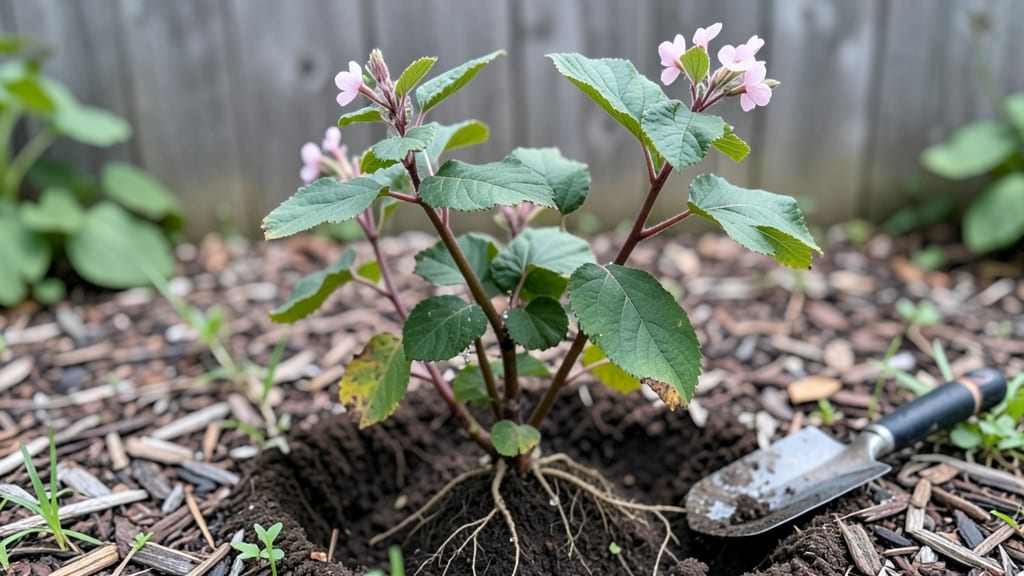
Climate zones gardening relies on USDA hardiness zones to pair plants with frost-free periods, sun exposure, and rainfall patterns. Identify your zone via ZIP code, then select drought-resistant perennials for arid regions or shade-loving annuals for humid climates to ensure thriving growth.
Understanding your USDA hardiness zone is the foundation of successful gardening—it determines which plants will thrive in your area's temperature extremes. 🌱 For example, Zone 3 gardeners can grow hardy vegetables like kale and potatoes, while Zone 10 gardeners focus on citrus and bougainvillea.
The key is matching plants to your local climate's frost dates and seasonal patterns, not just average temperatures. Many nurseries now include zone recommendations on plant tags, making it easier than ever to make informed choices.
💡 In This Article
- How USDA Hardiness Zones Define Plant Survival
- Best Plants for Each Major Gardening Climate Zone
How USDA hardiness zones define plant survival
The USDA hardiness zone system maps average annual minimum winter temperatures to create 13 distinct zones (Zone 1 to Zone 13), each spanning 10°F increments. For example, Zone 5 endures -20°F to -10°F, while Zone 10 stays above 30°F.
These boundaries determine which plants can survive winter dormancy in your area. The system accounts for the coldest temperatures plants must endure, as these are the most critical factor for survival—most plants die when exposed to temperatures below their hardiness rating for prolonged periods.
Frost dates are another critical factor tied to hardiness zones. The first and last frost dates create the growing season, which varies dramatically: 90-120 days in Zone 3 but 300+ days in Zone 10.
This explains why Zone 10 gardeners can grow tropical plants year-round while Zone 5 gardeners must use frost blankets or cold frames.
Microclimates further complicate this—urban areas can be 5-10°F warmer than rural zones due to concrete and heat absorption, while mountain slopes may experience 3°F temperature drops per 1,000 feet elevation gain.
Plant hardiness ratings (like the USDA zone number on seed packets) correlate directly with these temperature zones. A Zone 6 plant won't survive Zone 4 winters, but it thrives in Zone 7.
This is why you'll see cold-hardy varieties (like Broccoli 'De Cicco', rated Zone 3) recommended for northern climates, while heat-tolerant varieties (like 'Black Diamond' tomato, rated Zone 5+) dominate southern nurseries.
The science is simple: Plants evolved to survive specific temperature ranges, and pushing those limits risks stunted growth or death.
Here's what most gardeners overlook: Hardiness zones don't account for heat tolerance—just cold survival. A Zone 10 plant might still struggle in 110°F+ desert summers, while a Zone 3 plant could wilt in 90°F+ humidity.
This is why supplemental information (like heat zone maps) helps refine plant selection. For instance, Okra (Zone 5-11) thrives in Zone 9's heat but may bolt prematurely in Zone 7's shorter summers.
Consider these real-world examples: In Zone 5 Minnesota, gardeners plant potatoes in spring when soil reaches 45°F, knowing they'll survive -15°F winters. Meanwhile, in Zone 10 California, citrus trees grow year-round because they never face freezing temperatures.
The zone system essentially acts as a climate compatibility filter—it tells you which plants can biologically survive your local extremes, not just grow temporarily.
For urban gardeners, microclimates create exceptions. A south-facing wall might be Zone 8 in a Zone 7 city, allowing heat-loving plants like rosemary to thrive where they'd normally fail. Conversely, low-lying areas collect cold air, creating frost pockets that can damage plants even in milder zones.
These variations explain why some gardeners in Zone 6 successfully grow Zone 5 plants while others struggle with the same varieties.