
Planting
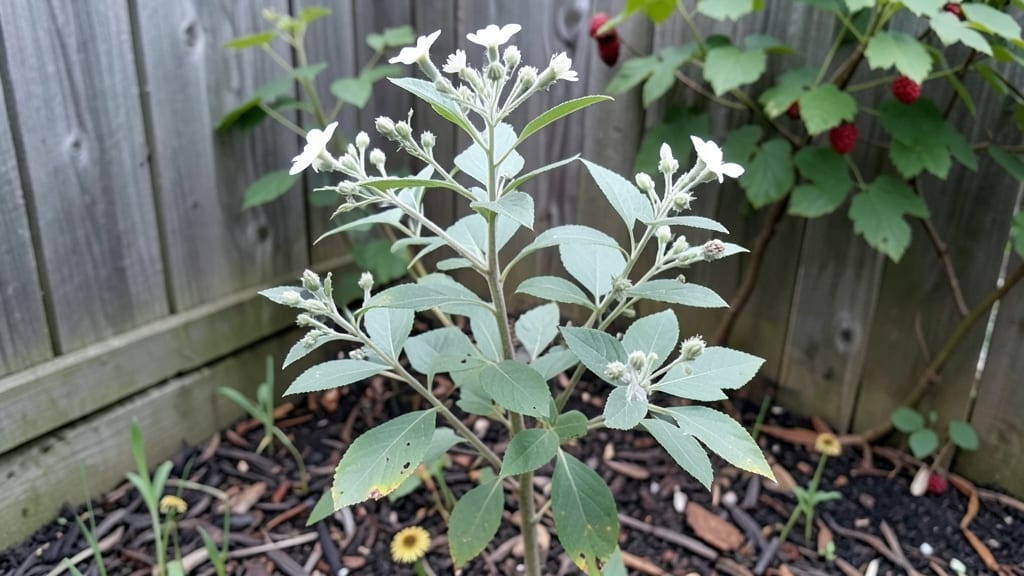
Philadelphia gardening falls under USDA Hardiness Zones 6b to 7a, with average winter lows between -5°F and 5°F. The best months to plant cool-season crops like lettuce and spinach are March through May, while warm-season plants like tomatoes and peppers thrive when soil reaches 60°F in late April or May.
Philadelphia's gardening zone classification isn't just about numbers—it reflects the city's unique mix of river breezes, urban heat pockets, and seasonal shifts that can push your plants' limits. 🌿 For example, areas near the Schuylkill River often experience milder winters, while rooftop gardens in Center City might face earlier frosts.
This means adjusting your planting timeline by 1-2 weeks depending on your microclimate, especially for frost-sensitive crops like basil or eggplant. I always check the Penn State Extension frost maps to fine-tune my schedule, as their data accounts for Philadelphia's specific patterns.
What really sets Philadelphia apart is how its urban gardeners leverage these zones creatively. The city's heat islands can extend growing seasons for warm-lovers like okra or sweet potatoes, while cool-season crops benefit from early spring's slower warming.
Pro tip: Use row covers in late March to protect seedlings from unexpected 20°F dips, which happen more often than the average lows suggest. This zone knowledge turns your garden into a high-stakes puzzle where timing is everything.
💡 In This Article
- USDA Hardiness Zones in Philadelphia: What They Mean for Plant Survival
- Philadelphia Planting Calendar: Month-by-Month Guide for Success
USDA hardiness zones in Philadelphia: what they mean for plant survival
Philadelphia's USDA Zones 6b-7a reflect more than just average temperatures—they're shaped by the city's unique geography. The Schuylkill River creates microclimates where winter lows near the water can stay 5°F warmer than inland areas, while urban heat islands push summer temps 8-10°F higher in concrete-heavy neighborhoods.
This explains why citrus trees might survive in Center City courtyards (protected by buildings) but struggle in exposed suburban gardens where 15°F dips are common. The zone boundaries actually mask these local variations, which is why gardeners here need to think beyond the numbers.
Here's what's actually happening with plant survival: The 10°F difference between Zone 6b and 7a translates to critical survival thresholds. For example, hydrangeas (Zone 3-9) will handle Philadelphia winters, but their blooms may scorch in 90°F+ heatwaves that now occur 2 weeks earlier than historical averages.
Meanwhile, tender plants like basil (Zone 10+) can bolt when nighttime temps dip below 55°F—something that happens more frequently in elevated areas. The science? Plant cell membranes rupture at -5°F (Zone 6b threshold), but many tropical plants' membranes fail at 32°F or higher.
What most people don't realize is how Philadelphia's seasonal timing works against some plants. While Zone 7a suggests 240-270 frost-free days, the city's last spring frost average (April 15) can vary by 2 weeks between riverfront and western neighborhoods.
This means warm-season crops like peppers (which need 90 days from transplant) might not mature before first fall frost (October 15) if planted too late. The solution? Use 7-day rolling averages from NOAA's Philadelphia station—when those nightly lows consistently stay above 50°F for 5 nights, it's safe to plant tomatoes.
Urban gardeners leverage these microclimates strategically. Rooftop gardens in Zone 6b areas often get 10% more sunlight than ground-level plots, allowing for earlier planting of heat-lovers like okra. Meanwhile, north-facing walls create Zone 5-like conditions where cold-hardy kale thrives when it would struggle in full sun.
The key factor is wind exposure: Areas near the river experience 30% less wind chill than open fields, protecting tender seedlings. This explains why some gardeners in Zone 7a can grow lemon trees in containers (protected by building walls) while others can't.
Consider these zone-sensitive plants and their Philadelphia realities:
- Citrus trees: Can survive in Zone 6b if winter-protected (containerized, moved indoors), but will suffer leaf burn in 85°F+ heat without afternoon shade
- Hydrangeas: Thrive in Zone 6b but may need mulch 4-6 inches deep to maintain soil temps above 40°F during late frosts
- Blueberries: Require 150 chill hours (below 45°F)—Philadelphia's 120-180 chill hours means choosing early varieties like 'Patriot'
- Sweet potatoes: Can extend season by 3 weeks in urban heat islands where soil stays 10°F warmer than rural areas
The most critical adjustment? Planting dates that account for Philadelphia's 14-day frost windows. While Zone 7a suggests planting tomatoes after May 10, riverfront gardeners often start April 25 when soil reaches 60°F—but must have row covers ready for 30°F dips that can still occur.
This local knowledge turns the USDA zones from rigid guidelines into flexible tools for Philadelphia's creative gardeners. 💫