
Fertilization
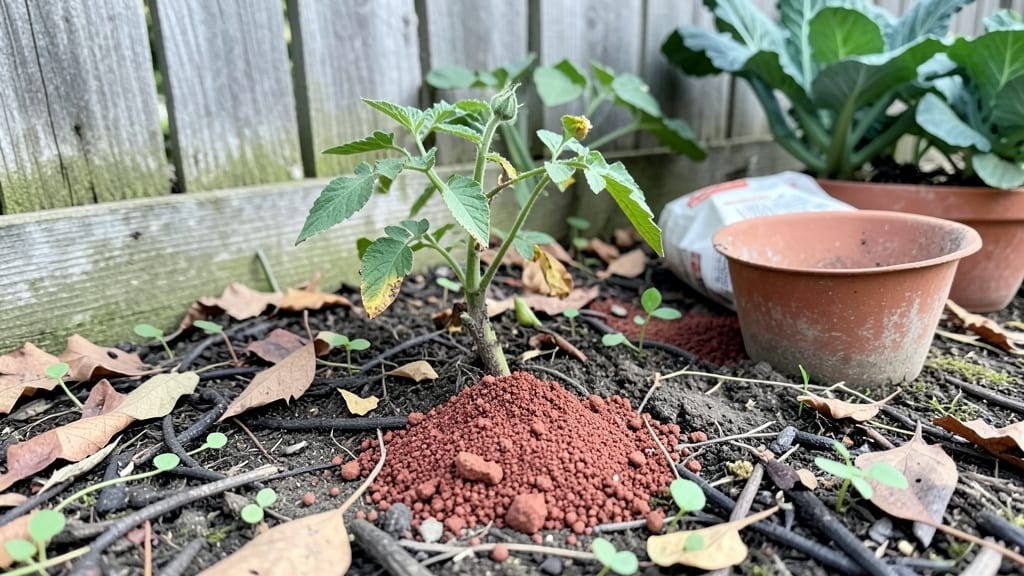
Blood meal garden fertilizer boosts nitrogen levels for rapid plant growth and suppresses weeds by starving them of nutrients, but it must be used carefully due to its high concentration and potential to burn plants if overapplied.
This organic fertilizer is a powerhouse for leafy greens and fast-growing vegetables, delivering a quick nitrogen kick that helps plants develop lush foliage in just weeks. 🌱 Unlike slower-release options, blood meal breaks down rapidly, making it ideal for gardeners who want immediate results—think vibrant basil or spinach within a few short weeks.
However, its potency means precision matters: too much can overwhelm plant roots, so always follow the recommended application rates.
One of its standout features is weed suppression—when sprinkled lightly over garden beds, it creates a nutrient-poor zone that chokes out unwanted sprouts naturally. This makes it a favorite for organic gardeners who want to reduce tilling while keeping their vegetable patches weed-free.
Just remember to water it in thoroughly after application to activate its benefits without risking plant burn.
💡 In This Article
- How Blood Meal Works as a Fast-Acting Plant Stimulant
- Best Practices for Applying Blood Meal in Vegetable Gardens
How blood meal works as a fast-acting plant stimulant
Blood meal's supercharged effect comes from its 12-13% nitrogen content by weight—nearly double that of alfalfa meal (2-3%) and triple fish emulsion (5-10%). This concentrated protein source breaks down quickly through microbial action in the soil, releasing ammonia that plants absorb through their roots.
The rapid nitrogen availability triggers chlorophyll production, which is why you'll see leafy greens like lettuce or kale turn vibrant green within 7-14 days of application. 🌿
The science behind this involves two key processes: mineralization and nitrification. First, soil microbes decompose the blood meal's protein into ammonia (NH₃), a form plants can't use directly. Then, nitrifying bacteria convert it to nitrates (NO₃⁻), which plants absorb through their root hairs.
This two-step process happens faster with blood meal than with slower organic sources like composted manure, which may take weeks to months to release comparable nitrogen.
What makes blood meal unique is its dual functionality as both a fertilizer and weed suppressant. The high nitrogen content creates a nutrient imbalance that starves weeds by depriving them of the nitrogen they need to germinate.
Unlike synthetic pre-emergents that rely on chemical herbicides, blood meal works organically—just sprinkle ½ pound per 100 sq ft over bare soil before planting to create a weed-free zone. The granular texture also helps it blend evenly into the soil without clumping.
However, this potency comes with trade-offs. Blood meal's high nitrogen-to-carbon ratio (about 10:1) means it can temporarily acidify soil if overused, which may stress acid-sensitive plants like blueberries or azaleas. For comparison, fish emulsion has a more balanced 2:1 nitrogen-to-carbon ratio, making it gentler for acid-loving plants.
The key is to test your soil's pH first—aim for 6.0-7.0 before applying blood meal to prevent pH swings.
One often-overlooked benefit is blood meal's role in stimulating beneficial soil microbes. The protein-rich environment encourages populations of bacteria that help break down other organic matter, creating a virtuous cycle.
For example, after applying blood meal to a vegetable bed, you might notice earthworm activity increase within 2-4 weeks as they feed on the improved microbial activity. This contrasts with synthetic fertilizers, which often disrupt soil biology by creating chemical imbalances.
For gardeners comparing blood meal to other organic options, here's a quick breakdown of nitrogen release rates:
- Blood meal: 3-7 days (fastest among organics)
- Fish emulsion: 1-2 weeks (moderate speed)
- Alfalfa meal: 4-8 weeks (slowest release)
- Composted manure: 6-12 weeks (highly variable)
This rapid release makes blood meal ideal for foliar sprays too—just mix 1 tablespoon per gallon of water and apply to leaves for an instant nitrogen boost during active growth phases.
The fine particles dissolve quickly when wet, allowing plants to absorb nutrients through their leaves as well as roots. 💫