
Vegetables
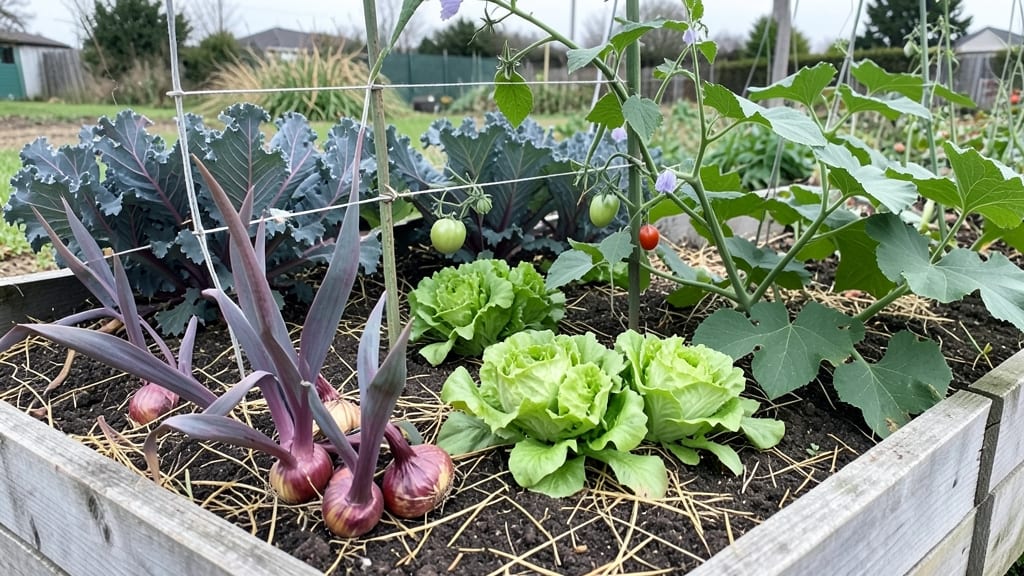
A Bell community garden thrives when you secure accessible land, recruit dedicated volunteers, and design a varied planting calendar that balances productivity with community involvement. Strong local collaborations and structured plot management create a lasting, productive space for everyone.
A Bell community garden isn't just about growing vegetables—it's about building a neighborhood hub where people connect over shared green space. 🌱 The key to long-term success lies in creating a welcoming structure: think shared tool libraries, beginner-friendly plot designs, and seasonal workshops that teach everything from seed saving to composting.
I've seen these gardens transform vacant lots into vibrant centers where families, seniors, and even local schools contribute to—and benefit from—the harvest.
What sets these gardens apart is their adaptability to urban environments. Many Bell gardens use raised beds to work around poor soil, while others partner with nearby restaurants to donate food scraps for compost.
The beauty of a community plot is that it grows stronger when everyone pitches in—whether that's through time, skills, or simply enjoying the fresh produce.
💡 In This Article
- Key Steps to Launch a Bell Community Garden
- Sustainable Gardening Practices for Community Plots
Key steps to launch a Bell community garden
Securing a suitable plot is your first critical step—look for land that gets at least 6-8 hours of sunlight daily and has easy access for participants of all ages.
In Bell, many gardens start with partnerships: schools often donate unused playground space, while local businesses may offer discounted materials or volunteer hours. Don't overlook city resources either; many municipalities provide grants for community greening projects, covering up to 50% of setup costs if you meet their sustainability criteria.
The layout should prioritize accessibility above all else. Raised beds 12-18 inches high make gardening possible for wheelchair users, seniors, or anyone with limited mobility, while pathways 3 feet wide accommodate wheelbarrows and strollers.
I've seen successful gardens use a grid system where each 4' x 8' plot gets assigned numbers—this makes plot management digital-friendly (via apps like PlotGrid) and prevents disputes over locations. 💫
Governance starts with clear rules about plot assignments—most gardens use a lottery system for new members, with returning gardeners getting first dibs. Shared tools (like hoes, trowels, and watering cans) should be stored in a locked shed with a sign-up sheet to prevent loss.
I recommend creating a "tool steward" role where one volunteer takes inventory weekly. For funding, many Bell gardens host "plant sales" where members pre-order seedlings, with profits going toward shared supplies like mulch or irrigation systems.
Permits often get overlooked but can make or break your project. Check with Bell's planning department about required paperwork—some areas mandate liability insurance if you plan to host workshops. The good news is that many community gardens qualify for agricultural exemptions, reducing red tape.
For example, the Bell Urban Farming Initiative helped a local garden bypass zoning issues by classifying it as an "educational agricultural project."
Partnerships with local nonprofits can provide unexpected benefits. The Bell Food Co-op, for instance, often donates compost and offers workshops on seed saving. Schools provide a built-in volunteer base—students can earn service hours while learning about sustainability.
One of my favorite examples is a garden that partnered with a senior center: residents got fresh produce, while younger volunteers helped maintain the plots, creating intergenerational bonds that extend beyond the harvest. 🌱
Don't underestimate the power of a shared calendar. Use a free tool like Google Calendar to track planting dates, volunteer shifts, and workshop times.
Bell's climate (USDA Zone 9b) means your planting schedule should account for two growing seasons: start cool-season crops like kale in October-November, while warm-season favorites like tomatoes thrive from March-April through September. Include buffer weeks for rain delays—this keeps everyone on the same page and reduces frustration.