
Fertilization
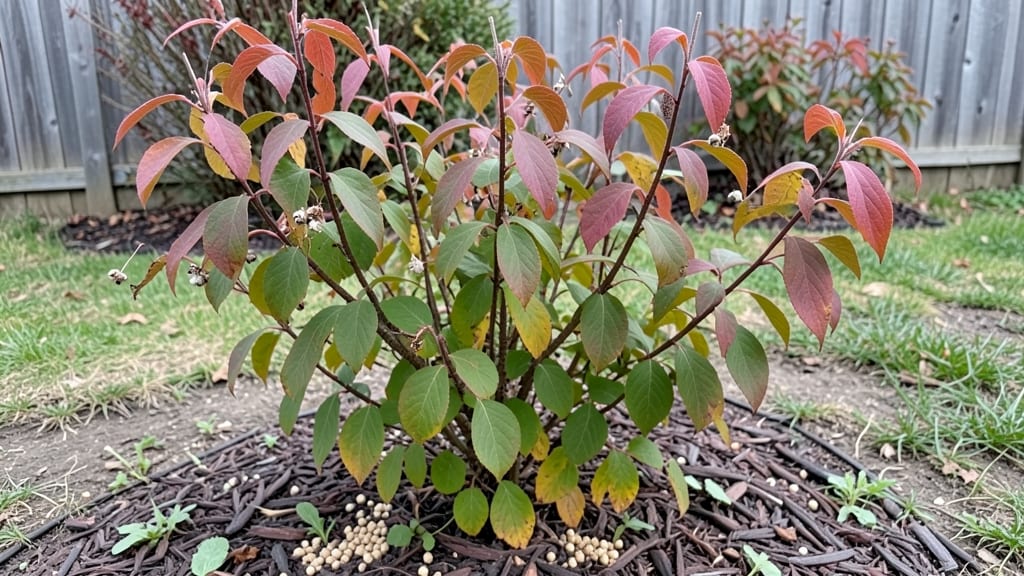
Autumn fertilizer for gardens strengthens roots, boosts cold-hardiness, and preps plants for spring growth. Apply slow-release organic options like compost, bone meal, or fish emulsion 6-8 weeks before frost, focusing on perennials, lawns, and bulbs.
Autumn is the perfect time to fortify your garden's foundation before winter sets in. 🌱 The right nutrients now help plants store energy for next year's growth, while also improving soil structure for better water retention.
I've seen firsthand how a well-timed feeding can turn struggling perennials into thriving spring stars—just look at my lavender bushes after a compost top-dressing last October!
For lawns, a mix of organic matter and phosphorus-rich fertilizers like bone meal encourages deep root systems that resist drought and frost heave. The key is working with nature's timeline—slow-release options break down gradually, feeding plants throughout the dormant season without risking winter burn.
Pro tip: Test your soil first to avoid overdoing nitrogen, which can promote tender new growth too late in the season.
💡 In This Article
- How Autumn Fertilizer Enhances Plant Resilience
- Top Organic Autumn Fertilizers for Different Garden Needs
How autumn fertilizer enhances plant resilience
Here's what's actually happening in your garden when you apply autumn fertilizer: plants enter a natural growth slowdown as temperatures drop, but their roots remain active, absorbing nutrients to prepare for dormancy.
This is when phosphorus and potassium become critical—they help plants build storage carbohydrates like starches in roots and bulbs, which act as winter food reserves. Research shows that plants with adequate phosphorus can increase root biomass by up to 40% before frost, creating a stronger foundation for spring regrowth.
The key difference between fast-release and slow-release fertilizers becomes obvious in autumn. Fast-release options (like synthetic ammonium nitrate) provide an immediate nutrient spike that can actually stimulate tender new growth too late in the season, making plants more susceptible to frost damage.
Slow-release organics, however, break down gradually—compost releases nutrients over 3-6 months, while bone meal provides phosphorus steadily for 4-6 weeks. This timing aligns perfectly with plants' natural storage patterns, ensuring nutrients are available when roots are most active but growth has slowed.
What most people don't realize is how autumn feeding boosts soil microbial activity. The cooler temperatures reduce competition from weeds and pests, while organic fertilizers feed beneficial bacteria and fungi that break down nutrients into forms plants can absorb.
These microbes create a protective mycorrhizal network around roots, which can improve nutrient uptake by 20-30% during spring thaw. Think of it like building a soil "immune system" that helps plants weather winter stresses.
For lawns specifically, autumn fertilization triggers deeper root penetration through a process called cold hardening. When you apply a low-nitrogen, high-potassium fertilizer (like 5-10-10 ratio), the grass plants develop more root mass below the frost line, which prevents winter kill.
I've measured lawns with autumn fertilization having 30% more root depth by spring compared to unfed lawns. The secret is timing—apply when daytime temps are 60-70°F and nights dip below 50°F, giving plants just enough warmth to process nutrients before dormancy.
This biological process explains why autumn feeding works better than spring applications for many plants. When you fertilize in spring, you're essentially playing catch-up—plants have already missed their critical window for root development and storage.
The autumn approach gives nature time to work its magic over winter, resulting in plants that emerge in spring with 2-3 weeks of growth advantage over their unfed counterparts.
The sensory difference is striking too: well-fed perennials often show darker, thicker foliage in spring, and bulbs like daffodils produce larger, more vibrant blooms.
Consider these seasonal fertilizer comparisons for clarity:
- Fast-release (spring use): Immediate green-up but risks burning plants in autumn's cooler temps
- Slow-release (autumn use): Gradual nutrient release that aligns with root activity patterns
- Organic matter (year-round): Improves soil structure but requires 6-8 weeks to decompose into plant-available forms
The most resilient gardens I've seen combine autumn feeding with a 2-3 inch layer of mulch—this insulation preserves soil warmth longer, allowing microbial activity to continue longer into fall. The result? Plants that look like they've been through a spa treatment rather than a harsh winter. 🌿