
Vegetables
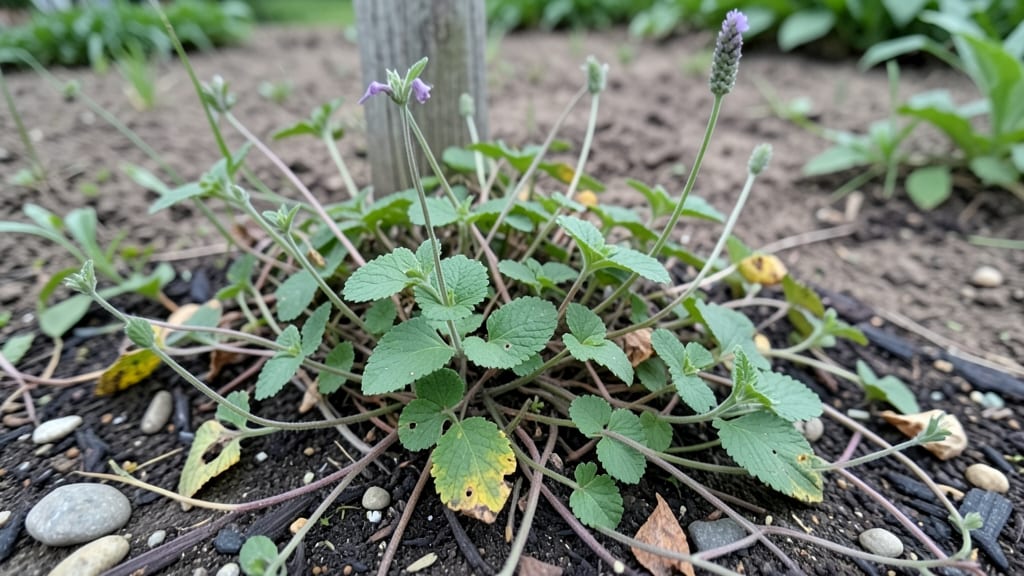
Strolling the gardens with edible flowers transforms your outdoor space into a vibrant, functional ecosystem where beauty meets utility.
A leisurely walk through a well-planned garden filled with edible blooms like nasturtiums and calendula becomes an experience for all senses. 🌸 These flowers don't just brighten your surroundings—they actively support local ecosystems by providing nectar for bees and butterflies while adding safe, flavorful accents to salads or garnishes.
The key lies in their resilience: many varieties bloom continuously, offering both visual appeal and culinary potential throughout the seasons.
This approach turns gardening into a dual-purpose hobby where every step through your garden becomes an opportunity to connect with nature's cycles. The right flower selection ensures you'll always have fresh petals for cooking while maintaining a thriving habitat for pollinators.
It's a win-win that makes every garden visit feel purposeful and rewarding.
💡 In This Article
- Year-Round Edible Flower Varieties for Pollinator Gardens
- Designing a Pollinator-Friendly Edible Flower Layout
Year-round edible flower varieties for pollinator gardens
The secret to creating a thriving pollinator garden lies in understanding how specific edible flowers adapt to different climates through their unique biological traits.
Take borage, for example—a hardy annual that thrives in both cool spring and warm summer months, producing star-shaped blue flowers rich in nectar that bees adore.
Its deep root system (reaching 3-4 feet) makes it drought-resistant once established, while its fuzzy leaves contain 20% protein, making them a nutritious snack for caterpillars like the hummingbird moth.
Violets offer another fascinating case study, with their perennial nature allowing them to bloom from early spring through fall in most temperate zones. Their tiny, tubular flowers produce nectar that's particularly attractive to bumblebees, which have long tongues perfect for accessing the sugar-rich rewards.
What's remarkable is how violets release their nectar in pulses—bees get a 30-50% sugar solution that fuels their energy needs during early morning flights when other flowers are still closed.
The science behind these flowers' pest resistance involves their chemical composition. Marigolds, for instance, contain alpha-terthienyl, a compound that repels nematodes while attracting beneficial insects like ladybugs. This natural pest control creates a self-sustaining ecosystem where harmful insects are deterred without synthetic interventions.
The flowers' bright orange and yellow hues also serve as visual beacons for pollinators, with studies showing they can attract up to 50% more bees than similarly sized white flowers.
Seasonal timing plays a crucial role in maintaining continuous blooms. Calendula flowers, for example, follow a staggered blooming pattern—new flowers open every 2-3 days throughout the growing season, ensuring a steady food source.
Their petals contain carotenoids that give them their golden hue, which also makes them particularly attractive to butterflies like monarchs. The key factor is planting varieties with overlapping bloom times, creating what ecologists call a "pollinator buffet" that supports different species at different life stages.
What most gardeners don't realize is how these flowers' growth habits complement each other. Nasturtiums, with their trailing vines, create shade that protects soil moisture while their peppery leaves deter aphids from nearby plants.
This companion planting effect reduces the need for chemical interventions while creating microclimates that extend the growing season by 2-4 weeks at both ends. The result is a garden that stays vibrant and productive year-round, making every stroll through your outdoor space both beautiful and beneficial.
For those in colder climates, pansies offer a special advantage—they can survive light frosts and even continue blooming when temperatures dip to 25°F. Their flowers contain rutin, a flavonoid that gives them their distinctive patterns while also providing antioxidant benefits.
This hardiness makes them perfect for early spring or late fall planting, bridging the gap between seasonal blooms when other flowers might be dormant.