
Shrubs
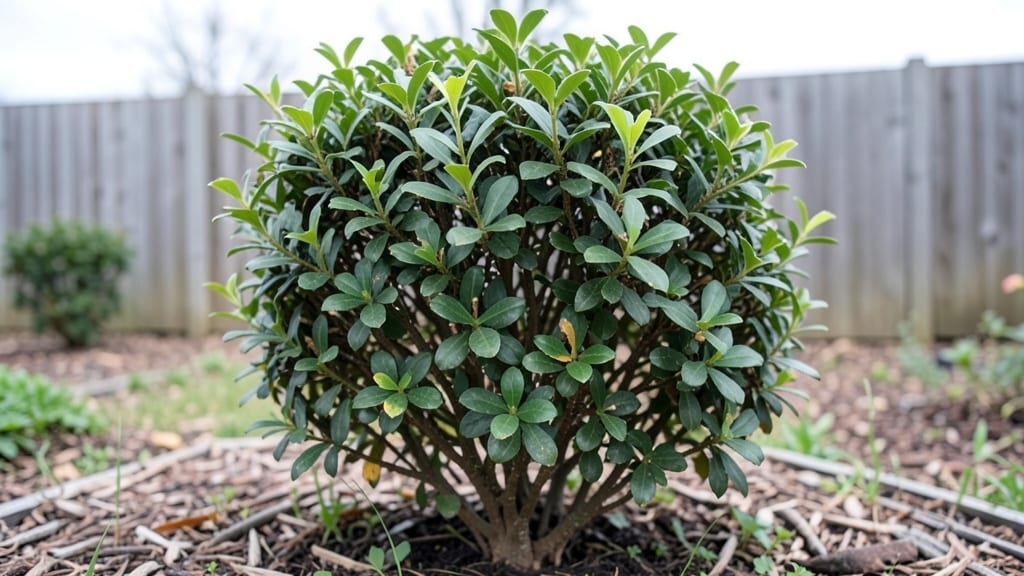
Small gardens deserve shrubs that pack big personality without hogging space. My first tiny backyard garden transformed when I swapped sprawling plants for compact shrubs—now the space feels lush and intentional, not cramped.
The right shrubs turn narrow borders into living tapestries, and some even provide four-season interest without needing constant attention.
Think beyond traditional shrubs: dwarf varieties like 'Little Gem' magnolia or 'Dwarf Fountain' boxwood stay under 4 feet tall while delivering structure and texture. Layer them with trailing plants like 'Lime Zest' ninebark or 'Gold Mound' spirea to create depth in just a few square feet.
These picks thrive in tight spots, handle occasional neglect, and often bloom or change color with the seasons.
You’ll end up with a garden that feels polished and full—no more staring at empty corners. The key is mixing heights and textures: a 3-foot boxwood as a backdrop, a 2-foot hydrangea for mid-level interest, and a 1-foot creeping thyme to spill over edges.
Even small patios can host a mini shrub collection in containers, creating vertical drama where space is scarce.
Perfect for urban balconies, courtyard gardens, or postage-stamp backyards. The secret is choosing wisely—once you see how compact shrubs can anchor a space, you’ll never go back to sprawling plants again.
📚 In This Guide
- What you need
- Instructions
- Tips and common mistakes
- Wrapping up and next steps
What you need
- ● Shrubs (3–5 plants, depending on size): Compact varieties like Dwarf Boxwood, Japanese Holly, or Dwarf Fothergilla (1–3 ft tall/mature).
- ● Slow-growing options (e.g., Creeping Juniper or Dwarf Lilac) for minimal pruning.
- ● Potting soil or garden soil: 1–2 bags (2–3 cubic feet each) of high-quality, well-draining mix.
- ● Mulch: 1 bag (2–3 cubic feet) of organic mulch (e.g., shredded bark or pine straw).
- ● Fertilizer: Slow-release granular fertilizer (10-10-10 ratio) or organic compost.
- ● Watering can or hose with a gentle spray nozzle.
- ● Hand trowel (for planting small shrubs).
- ● Garden gloves (1 pair) to protect your hands.
- ● Pruning shears (bypass type, sharp and clean).
- ● Measuring tape (for spacing plants 12–24 inches apart).
- ○ Optional: Garden kneeler or small stool for comfort.
- ● Sunlight assessment: Note your garden’s light conditions (full sun, partial shade, or full shade).
- ● Space planning: Sketch a layout (even on paper!) to visualize shrub placement.
- ● Drainage check: Ensure no standing water after rain (shrubs hate soggy roots!).
- ● Local climate: Pick shrubs hardy to your USDA zone (e.g., Zone 5–9 for most compact varieties).
Instructions for selecting and planting shrubs in small gardens
Here’s how to choose and install shrubs that maximize impact without overwhelming limited space.
Choose Compact, Multi-Season Shrubs
Prioritize varieties that stay under 3 feet tall and wide at maturity, like Dwarf Fothergilla or Abelia ‘Kaleidoscope’. These deliver year-round interest: spring blooms, summer foliage, fall color, and winter structure. I always check the plant tag for mature size—what looks small in the pot becomes a statement in the garden.
For texture contrast, pair broadleaf evergreens like Ilex ‘Compacta’ with deciduous shrubs like Weigela ‘Wine and Roses’. The evergreen provides winter backbone while the deciduous shrub adds seasonal color shifts. Avoid fast-growing shrubs; they outpace small spaces within a few years.
Plan for Layered Planting and Spacing
Arrange shrubs in three tiers: tallest at the back (near fences or walls), medium-height in the middle, and low-growing varieties at the front. For four plants, space them 2–3 feet apart to allow airflow and future growth without crowding. I sketch a rough layout on graph paper first—this prevents post-planting regrets.
Consider the mature canopy spread when placing. A shrub labeled "2 feet wide" will eventually fill that space, so avoid planting too close to walkways or seating areas. Leave at least 1 foot of clearance around each plant’s perimeter for maintenance access.
Prepare the Planting Site
Dig holes twice as wide as the root ball but no deeper. This encourages roots to spread horizontally rather than settling into a tight pocket. Amend the native soil with compost (if your soil is heavy clay) or sand (if it’s rocky) to improve drainage. I always loosen the roots slightly if they’re circling the root ball—this prevents girdling as the plant matures.
Water the hole thoroughly before planting to settle the soil and eliminate air pockets. For four shrubs, prepare each hole individually to maintain consistency in soil quality and moisture levels. If planting in warm weather, do it in the late afternoon to reduce transplant shock.
Install Shrubs Properly for Long-Term Health
Place each shrub so the top of the root ball sits 1 inch above the surrounding soil line. This prevents crown rot from sitting water. Backfill with native soil mixed with a slow-release fertilizer, tamping gently to eliminate gaps. Water deeply immediately after planting to eliminate air pockets and encourage root contact with soil.
Mulch around the base with 2–3 inches of organic mulch, keeping it 6 inches away from the trunk to prevent moisture buildup. This conserves soil moisture, regulates temperature, and suppresses weeds. Avoid piling mulch against the stem—it can smother the plant and attract pests.
Establish Care Routines for Thriving Shrubs
Water newly planted shrubs every 2–3 days until they’re established (about 6–8 weeks), then taper to once a week during dry spells. You’ll know they’re settled when new growth appears—this signals roots have expanded into the surrounding soil. Overwatering at this stage is a common mistake; shrubs in small gardens are especially vulnerable to root rot.
Fertilize lightly in early spring with a balanced, slow-release fertilizer to support new growth without encouraging leggy stems. Prune only to shape in late winter or early spring, removing no more than one-third of the plant’s volume at a time. This maintains a compact form while encouraging dense foliage.
Tips & tricks for perfect shrub selection and planting in small gardens
Transforming a small garden into a lush, year-round sanctuary requires strategic planning—and these insights will help you avoid common pitfalls while maximizing visual impact.
Seasonal Layering Strategy: When selecting shrubs, think beyond just height—consider their seasonal performance. For example, Dwarf Fothergilla offers fragrant spring blooms, vibrant fall foliage, and holds its shape through winter, while Weigela ‘Wine and Roses’ provides summer blooms and architectural interest. I recommend creating a simple chart tracking each shrub's peak seasons to ensure continuous color and texture throughout the year. This layered approach prevents visual monotony that often plagues small gardens.
Root Ball Preparation Insight: The step of loosening circling roots in Step 3 is often overlooked, yet it's critical for long-term health. I've seen too many small gardens where shrubs struggle because their roots were never properly loosened—this can lead to girdling and stunted growth. Use your fingers or a garden fork to gently separate roots, encouraging outward growth rather than maintaining a tight root ball. This single adjustment can mean the difference between a thriving shrub and one that fights for space.
Watering Precision: The initial watering schedule of every 2-3 days for 6-8 weeks might seem excessive, but it's essential for establishing roots in small gardens where competition for water is fierce. I recommend using a rain gauge to measure exactly 1 inch of water per session—this prevents both underwatering and the root rot risk from overwatering. For containers or particularly dry microclimates, consider installing a simple drip irrigation system to maintain consistent moisture without the guesswork.
Mulching Technique: The 2-3 inches of organic mulch specified in Step 4 serves multiple purposes beyond weed suppression. I've found that applying mulch in early spring, after the soil has warmed but before summer heat arrives, helps regulate soil temperature and retain moisture more effectively. Just remember to refresh the mulch annually—over time, organic matter breaks down and loses its insulating properties, which can lead to temperature fluctuations that stress your shrubs.
Pro Tips for Shrubs Small Garden
- Transforming a small garden into a lush, year-round sanctuary requires strategic planning—and these insights will help you avoid common pitfalls while maximizing visual impact.
- Seasonal Layering Strategy: When selecting shrubs, think beyond just height—consider their seasonal performance.
- Root Ball Preparation Insight: The step of loosening circling roots in Step 3 is often overlooked, yet it's critical for long-term health.
Frequently asked questions
Got questions about shrubs for small gardens? You’re not alone! Here are answers to some of the most common concerns—so you can garden with confidence and style.
What are the best low-maintenance shrubs for tiny spaces?
Opt for compact evergreens like Dwarf Boxwood or Japanese Holly, which thrive with minimal pruning. Dwarf Lilac and Abelia also deliver color with ease. Choose varieties labeled "miniature" or "compact" to avoid overgrowth. Pro tip: Mulch regularly to reduce weeds and retain moisture!
When is the ideal time to plant shrubs in a small garden?
Spring or early fall are the best times—when soil is workable but not frozen. Avoid extreme heat or cold. For container-grown shrubs, you can plant year-round (except winter in cold climates). Bare-root shrubs need planting in dormancy (late winter/early spring). Always water thoroughly after planting!
How do I keep shrubs from outgrowing my small garden?
Prune regularly (2-3 times/year) to control size and shape. Use sharp shears to avoid damaging branches. For fast growers like Bamboo, opt for clumping varieties. Container gardening is another great solution—root-bound shrubs stay manageable. Monitor growth and prune early to stay ahead!
What pests or diseases should I watch for in small shrubs?
Common issues include aphids, spider mites, and powdery mildew. Inspect leaves regularly for signs like yellowing, spots, or sticky residue. Use neem oil or insecticidal soap for pests. Improve airflow with proper spacing to prevent fungal diseases. Pro tip: Water at the base (not overhead) to keep foliage dry!
Can I mix shrubs with flowers or herbs in a small garden?
Dwarf Hydrangeas
pair beautifully with Lavender or Salvia, while Boxwood complements Pansies or Heather. Just ensure shrubs get enough sunlight and space. Avoid overcrowding—aim for a layered look: tall shrubs at the back, mid-height plants in the middle, and low-growing flowers/herbs in front.
Wrapping up and next steps
Transforming your small garden into a lush, vibrant space is easier than you think! With the right shrubs for small gardens, you can add year-round color, texture, and charm—no matter the size.
Whether you’re drawn to compact evergreens, blooming beauties, or fragrant varieties, these space-saving plants prove that big impact doesn’t require big square footage.
Ready to get started? Pick one or two shrubs that suit your garden’s style and sunlight, then roll up your sleeves—your future green oasis awaits! 🌿✨ Next step: Sketch a quick layout or snap photos of your space for inspiration before planting.