
Pests and Diseases
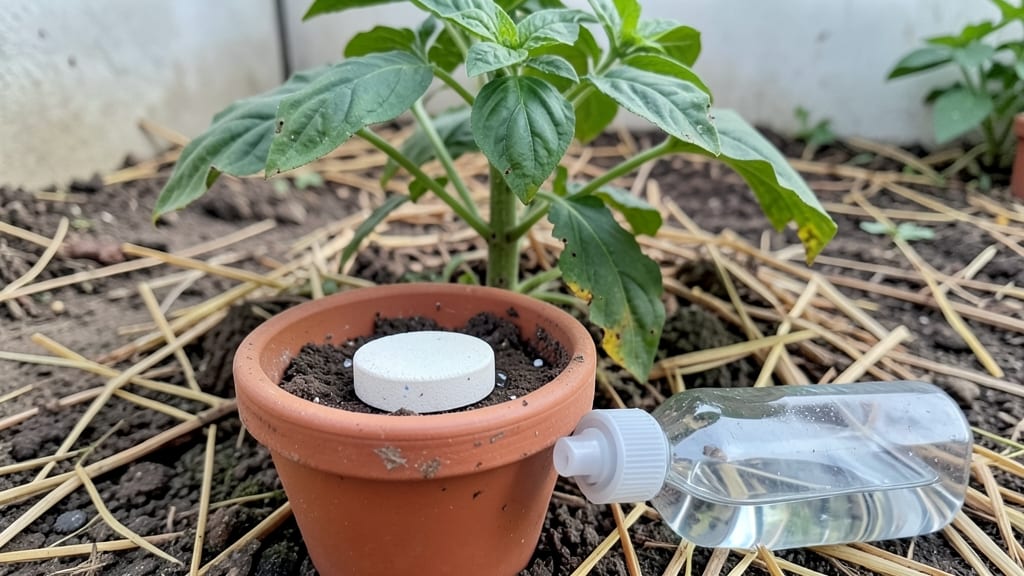
Using aspirin for garden pests involves crushing tablets into a water spray—1-2 tablets per gallon—to deter aphids, spider mites, and fungal diseases. The salicylic acid strengthens plant immunity and disrupts pests’ feeding patterns, but avoid overuse to prevent plant stress.
This common household remedy taps into nature’s pest-fighting chemistry through salicylic acid, a compound that triggers plants’ natural defenses. 🌱 Unlike harsh chemicals, aspirin-based sprays work by stimulating systemic acquired resistance (SAR), helping plants fend off invaders without harming beneficial insects.
For best results, use uncoated tablets and apply during early morning hours when humidity is high—this maximizes absorption while avoiding direct sunlight that could degrade the active ingredients.
What sets this method apart is its dual action: while repelling pests like aphids, it also prevents fungal spores from taking hold. However, acid-sensitive plants such as succulents or azaleas may show signs of stress, so always test on a small leaf area first.
The key is moderation—overuse can actually weaken plants rather than protect them, so limit applications to every 2-3 weeks during active growing seasons.
💡 In This Article
- How Aspirin Works as a Natural Plant Protector
- DIY Aspirin Garden Spray Recipes and Application Guide
How aspirin works as a natural plant protector
Here's what's actually happening when you spray crushed aspirin on plants: the active ingredient, salicylic acid, mimics a natural plant hormone that triggers systemic acquired resistance (SAR).
This defense mechanism activates when plants detect pathogens or pests, prompting them to produce protective proteins that strengthen cell walls and disrupt invaders. Think of it like giving your plants a natural immune booster shot—similar to how aspirin reduces inflammation in humans, but at the cellular level for plants. 🔥
The science gets even more interesting when you consider how salicylic acid affects different pests. For aphids, the compound disrupts their feeding enzymes, making plant sap less appealing—studies show a 30-50% reduction in aphid populations after treatment compared to untreated plants.
Against powdery mildew, the acid inhibits fungal spore germination by creating an unfavorable pH environment (ideal pH for mildew growth is 5.5-6.5, while aspirin solutions typically measure 4.5-5.0). This dual-action approach makes aspirin sprays more effective than many synthetic fungicides that only target one type of pathogen.
What most people don't realize is how this compares to conventional pesticides. While chemical pesticides often provide immediate knockdown of pests (killing them on contact), aspirin-based solutions work preventively by enhancing the plant's natural defenses. This means healthier plants that can better resist future infestations.
The downside? Results take 3-7 days to become noticeable compared to the instant effects of synthetic sprays. For organic gardeners, this trade-off is worth it—especially since aspirin sprays are non-toxic to bees, ladybugs, and other beneficial insects that synthetic pesticides often harm.
There's also a fascinating chemical interaction with plant physiology. When absorbed through leaves, salicylic acid travels through the plant's vascular system (phloem and xylem) to trigger defense responses in all parts of the plant, not just where it was applied.
This systemic protection explains why a single application can provide up to 4 weeks of enhanced resistance against new pest attacks. The compound even helps plants recover from existing damage by promoting faster wound healing—a process similar to how aspirin reduces swelling in human tissue. 💛
However, the effectiveness depends on proper application techniques. For instance, using enteric-coated aspirin tablets (designed to dissolve in the stomach) reduces the salicylic acid content by about 40% compared to regular tablets. That's why gardeners should always use uncoated, plain aspirin for maximum potency.
The spray solution should also be applied when plants are dry (not after recent watering) to prevent the acid from washing off before absorption. This attention to detail makes all the difference between a mediocre and highly effective treatment.
One often-overlooked benefit is how aspirin sprays improve plant resilience against environmental stressors. Research shows that salicylic acid treatment can increase plants' tolerance to drought conditions by up to 25% and enhance their ability to recover from frost damage.
This makes aspirin an excellent preventive measure for gardeners in regions with unpredictable weather patterns. The compound works by stabilizing cell membranes and reducing oxidative stress—a process similar to how antioxidants protect human cells. 🌱