
Vegetables
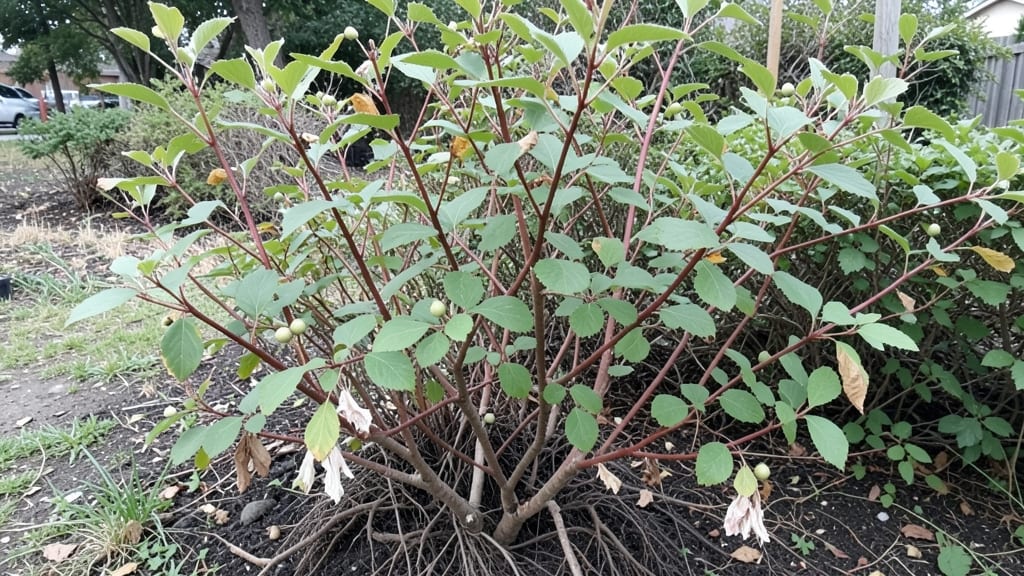
Creating a big garden in Omaha means focusing on hardy perennials like coneflowers, black-eyed Susans, and Russian sage, which thrive in well-draining soil with full sun exposure. Kickstart your garden by sowing seeds indoors 6-8 weeks before the last frost date (around mid-April) and apply thick mulch during winter to ensure long-term growth.
A thriving garden in Omaha’s USDA Zone 5b-6a hinges on selecting plants that endure both hot summers and cold winters. 🌿 The key is choosing perennials that require minimal care while delivering maximum impact—think cone flowers for late-summer blooms or Russian sage for drought resistance.
Unlike annuals, these plants return year after year, reducing replanting costs and effort. For best results, test your soil’s pH (Omaha’s clay-heavy soil often needs compost or sand amendments) and water deeply but infrequently to encourage strong root systems.
Timing is everything in Omaha’s climate. Starting seeds indoors in late winter gives them a head start before transplanting after the last frost, while mulching in fall locks in moisture and insulates roots from temperature swings.
This approach turns a seasonal garden into a year-round landscape with less upkeep than traditional planting methods. The payoff? A lush, low-maintenance garden that outperforms annuals and handles Omaha’s unpredictable weather like a pro.
💡 In This Article
- Top Cold-Hardy Perennials for Omaha’s Climate
- Omaha-Specific Planting and Soil Prep Guide
Top cold-hardy perennials for Omaha’s climate
Omaha’s USDA Zone 5b-6a climate demands perennials that handle 30°F winters and 90°F+ summers with ease.
The best choices combine drought resistance, deep root systems, and extended bloom cycles. Echinacea (cone flowers) tops the list—its 3-4 foot height provides vertical interest while its purple-pink blooms attract pollinators from July through September.
What sets it apart is its tolerant nature: it thrives in poor, dry soil and even clay-heavy Omaha ground when amended with compost.
For low-water solutions, Russian sage (Perovskia atriplicifolia) is a game-changer. This silver-blue shrub-like perennial reaches 4-5 feet and blooms from mid-summer to frost, making it Omaha’s longest-flowering option. Its drought-resistant foliage stays lush even when other plants wilt, thanks to tiny leaves that minimize water loss.
Pair it with black-eyed Susan (Rudbeckia), whose golden-yellow flowers bloom from July to October and self-seed prolifically—perfect for filling gaps naturally.
The science behind these plants’ success lies in their deep taproots. Coneflowers and Russian sage develop roots 3-5 feet deep, accessing moisture and nutrients far below the surface where summer droughts never reach.
This adaptation explains why they survive Omaha’s 30-40°F temperature swings without stress. Companion planting amplifies their benefits: Place Russian sage behind black-eyed Susans to create a blue-gold color gradient while the sage’s aromatic foliage deters pests that target rudbeckias.
For textural contrast, add sedum (stonecrop) varieties like 'Autumn Joy', which forms succulent-like clusters and blooms in pink-purple pom-poms from September to frost. Its water-storing leaves make it ideal for rock gardens or slopes where water drains quickly.
The key to their longevity? Mulching with 2-3 inches of shredded bark in late fall insulates roots through Omaha’s -10°F winters while suppressing weeds.
What most gardeners overlook is the soil microbiome these perennials support. Coneflowers and sedum host mycorrhizal fungi in their roots, which break down organic matter and improve soil structure over time. This natural fertilization reduces your need for synthetic amendments while creating a self-sustaining ecosystem.
For maximum impact, group these perennials in 5-7 foot clusters—their combined root systems create a microclimate that retains moisture and moderates temperature extremes.
Pro tip: Divide clumps every 3-4 years in early spring to rejuvenate growth. Simply dig up the plant, separate the root crowns, and replant sections 12-18 inches apart.
This low-effort propagation ensures your garden stays vibrant without costly replacements. The result? A perennial powerhouse that outshines annuals and handles Omaha’s climate like a seasoned pro. 🌟