
Pests
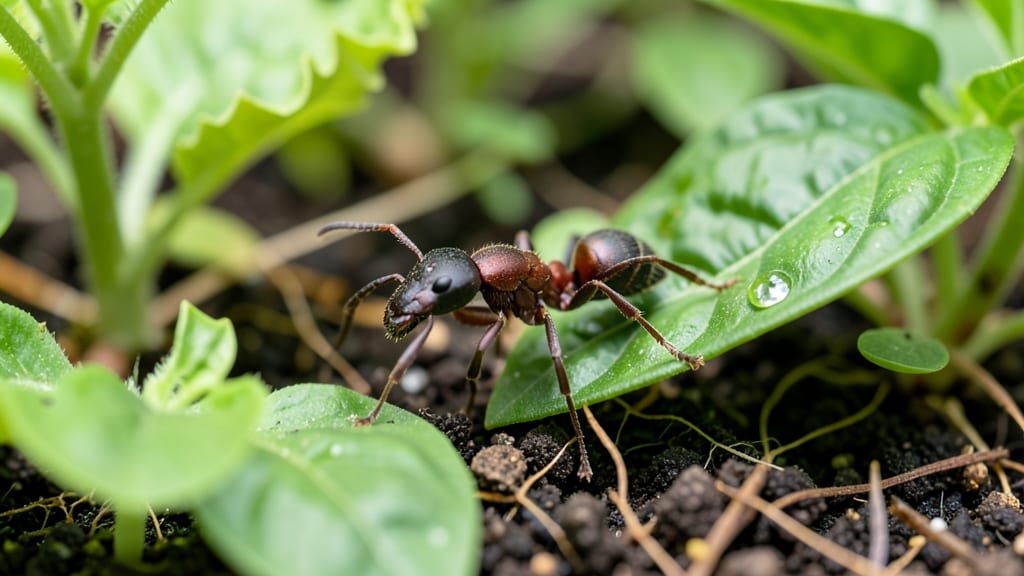
Ants in your raised bed vegetable garden might seem harmless, but they’re actually stealing nutrients from your soil and protecting pests like aphids. 🐜 I’ve battled them in my own beds, and these natural barriers—like diatomaceous earth and cinnamon—have kept them away without harming my plants.
The real problem isn’t the ants themselves, but what they bring: slugs, termites, and even plant diseases. They tunnel through soil, disrupting roots and creating perfect hiding spots for worse pests.
My biggest breakthrough? A simple barrier of crushed eggshells around the bed’s edges—it’s sharp enough to deter them but harmless to your veggies.
Once you block their entry points, you’ll notice fewer disturbed soil piles and healthier plants. The key is consistency—check your beds weekly for new trails and refresh barriers as needed. Within 2-3 weeks, you’ll see a noticeable drop in ant activity, and your vegetables will thrive without interference.
This method works year-round, whether you’re dealing with fire ants, pavement ants, or the tiny sugar-loving varieties. No chemicals, no guesswork—just a smarter way to keep your garden ant-free while keeping the ecosystem balanced.
Root Causes Of Ant Infestations
Ants in your raised bed vegetable garden aren’t just a nuisance—they’re often a sign of an underlying issue. Understanding why they’re there is the first step to stopping them for good.
Below, we break down the key reasons these tiny invaders show up in your garden, along with the science behind their behavior.
Many ants are drawn to honeydew, a sugary liquid excreted by aphids, mealybugs, and scale insects that feed on your plants. These pests leave behind a sticky trail that ants love—it’s like a five-star buffet for them.
- Why it happens: Ants form a mutualistic relationship with sap-sucking insects. They protect these pests from predators (like ladybugs) in exchange for honeydew, which fuels their colonies.
- Actionable clue: If you see black, white, or red ants marching in straight lines near plants with curled leaves or sticky residue, aphids are likely the culprit.
- Pro tip: 💡 Check the undersides of leaves and along stems—aphids hide there, and their presence explains the ant traffic.
While ants are famous for their sweet tooth, they also need protein and fats to survive. In a raised bed, they may target:
- Decaying organic matter (like old mulch or rotting wood chips)
- Insect eggs or dead insects (e.g., beetles, flies, or even your beneficial predators)
- Pet food or fallen fruit (if your garden is near a feeding area)
Why it happens: Worker ants scout for food sources to feed their queen and larvae. If your raised bed has high moisture or poor drainage, organic debris breaks down faster, releasing ammonia and other proteins that attract them.
Actionable clue: Look for tiny crumbs, scattered seeds, or chewed plant material—these are signs ants are raiding for protein.
Raised beds create the perfect microhabitat for ants: warm, moist, and protected from predators. They often nest in:
- Wooden bed frames (especially untreated lumber)
- Under mulch or cardboard barriers
- Between soil layers (if your bed has compacted or uneven strata)
- Cracks in potting mix (if you’ve repurposed old soil)
Why it happens: Ants avoid direct sunlight and dry conditions. A raised bed’s edge provides shade and insulation, while the soil’s moisture retention makes it ideal for tunneling. Some species, like fire ants, even aggressively defend their nests from disturbances.
Actionable clue: If you spot small mounds of soil or sand near the bed’s base or along the sides, that’s their nest entrance.
Ants are master trailblazers, and they use pheromone trails to mark food sources. If you’ve accidentally led them to your garden, they’ll keep coming back. Common triggers include:
- Spilled drinks or snacks near the garden
- Pet food or birdseed scattered around
- Compost piles with fruit scraps or meat
- Even your gardening tools! (Ants hitch rides on shovels and gloves.)
Why it happens: Ants rely on chemical cues to find food. Once a worker discovers a reliable source (like your tomato sauce spill), she leaves a scent trail that her colony follows religiously.
Actionable clue: If ants are only appearing after you’ve been working in the garden, you’re likely the reason they showed up.
Key takeaway: Ants in your raised bed are rarely random—they’re responding to specific resources or conditions you can identify and address. The next step? Turning these causes into actionable fixes.
Practical Ways to Outsmart Garden Ants
Ants in your raised bed vegetable garden can feel like tiny, relentless intruders—especially when they’re marching straight toward your hard-earned harvest. 🐜 But the good news? You don’t need harsh chemicals to evict them.
With the right strategies, you can keep them out, disrupt their trails, and protect your plants—all while staying eco-friendly. Below, we break down targeted solutions based on the why behind their visit, plus prevention tips to stop them before they start.
Fix: Disrupt their food source and lure them away.
Ants often invade gardens to farm aphids, mealybugs, or scale insects, which excrete honeydew—a sugary feast ants love. If you spot sticky residue on leaves or tiny pests clinging to stems, take action:
- 🍳 Spray aphids off plants with a soapy water solution (1 tsp mild dish soap + 1 quart water). Reapply every 3–4 days until pests vanish. - 👨🍳 Introduce natural predators: Ladybugs, lacewings, and parasitic wasps hate aphids.
Buy them online or attract them with neem oil sprays (which repel ants too). - 🥘 Set up ant-free "decoy plants": Plant basil, mint, or tansy near your raised bed. Ants will flock to these instead of your veggies.
Just harvest or trim them regularly to keep ants from nesting there long-term.
✨ Pro Tip: If aphids persist, try kaolin clay (a natural repellent) mixed with water—it coats plants and makes them unappetizing to both ants and their prey.
Fix: Block entry points and make nesting unappealing.
If you’re seeing mounds of dirt, tiny holes, or trails leading into your raised bed, ants have set up camp. Here’s how to evict them without harming your garden:
- 🔪 Remove existing mounds: Use a hand trowel or stick to carefully dig out nests (early morning or evening when ants are less active). Dispose of soil far from your garden—ants will return if left nearby. - 🌡️ Use diatomaceous earth (DE): Sprinkle food-grade DE around the bed’s perimeter and near entry points.
It dries out ants but is safe for plants. Reapply after rain. - 🎯 Block wood-boring ants: If your raised bed has untreated wood, ants may nest inside. Seal cracks with caulk or apply borax-based wood treatments (follow label instructions).
💡 Prevention Hack: Line the bottom of your raised bed with hardware cloth (1/4-inch mesh) before filling with soil. This stops ants from crawling up from below.
Fix: Break their scent trails and redirect them.
Sometimes, ants are just transient visitors on their way to a food source. If you see random trails but no nests or honeydew, focus on disrupting their route:
- ⏰ Vinegar barrier: Mix equal parts white vinegar and water in a spray bottle. Lightly mist along the bed’s edge and around plants. The sour smell confuses their pheromone trails. - 🌿 Plant ant-repelling herbs: Lemongrass, lavender, or pennyroyal emit scents ants avoid.
Plant them around the garden’s perimeter (not inside the bed). - 🔥 Boiling water trick: For stubborn trails, pour boiling water directly onto the path (avoid plants). The heat kills ants and washes away scent markers.
🔥 Quick Fix: Place a few cinnamon sticks near entry points. Ants hate the smell—it’s a natural, chemical-free deterrent.
Once you’ve dealt with the immediate problem, lock in your defenses with these low-maintenance habits:
- 📊 Maintain clean garden edges: Remove fallen fruit, spilled sugar, or pet food (even crumbs!) from near your raised beds.
- 💪 Use mulch strategically: Apply gravel or coarse wood chips around the bed’s base—ants avoid crawling over rough textures.
- 🥗 Rotate crops annually: Ants remember food sources. Switching plant families (like tomatoes one year, beans the next) confuses their foraging patterns.
- 🌱 Water wisely: Ants love moisture. Water plants at the base (not overhead) to reduce damp trails they follow.
Final Thought: Ants aren’t all bad—they aerate soil and eat pests like termites. But in your veggie garden, they’re usually uninvited guests.
By targeting their motives (food, shelter, or trails) and using natural barriers, you can keep your raised bed thriving—without a single ant in sight. 🚫🐜
Frequently asked questions
Are all ants harmful to my vegetable garden?
Not necessarily! While some ants (like fire ants or pavement ants) can disrupt soil and protect pests, others like harvester ants actually help by aerating soil. The key is identifying their behavior—if they’re creating trails, nesting in your bed, or protecting aphids, they’re likely causing more harm than good. Focus on the species creating problems in your specific raised bed.
How do I tell if ants are nesting in my raised bed?
Look for small mounds of soil (especially near the edges), tiny holes in the soil surface, or straight-line trails leading to food sources. If you see these signs, they’ve likely established a nest. Check the wooden frame too—ants often tunnel into untreated lumber. Digging carefully in the morning (when they’re less active) can reveal their underground tunnels.
Will ant repellents harm my vegetables?
Most natural repellents like vinegar, cinnamon, or diatomaceous earth are safe for plants when used correctly. Avoid chemical pesticides, which can contaminate your harvest. Always test new solutions on a small area first and follow application rates. For example, food-grade diatomaceous earth should be reapplied after rain, while vinegar solutions work best when sprayed lightly along soil edges.
Can ants actually damage my vegetable plants?
Indirectly, yes! While ants rarely eat vegetables, they protect aphids and mealybugs—pests that sap plant nutrients and spread diseases. Their tunneling can also disrupt root systems and create entry points for worse pests. The real damage comes from their ecosystem impact, not direct consumption of your crops.
How long does it take to see results from ant barriers?
With consistent application, you’ll typically see a noticeable reduction in ant activity within 1-2 weeks. Some methods (like hardware cloth barriers) work immediately, while others (like planting repellent herbs) take longer to establish. The key is persistence—refresh barriers after rain and maintain clean garden edges to prevent new trails from forming.