
Landscaping
Small spaces shouldn’t limit your veggie harvest. These 10 innovative garden bed designs maximize yield, adapt to urban balconies or rural plots, and extend growing seasons—even in tight corners or limited sunlight.
Vertical Pallet Herb Garden
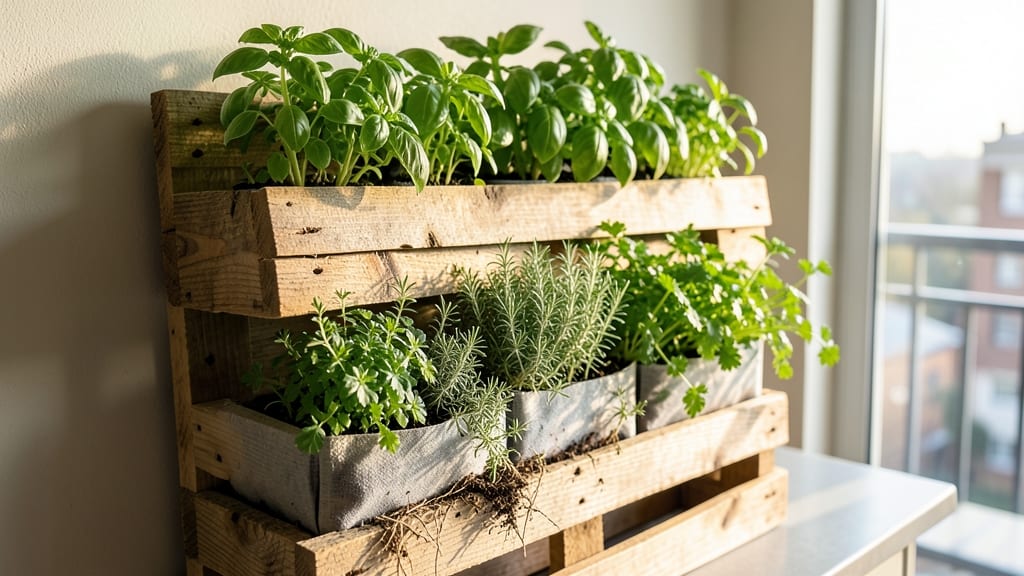
Turn a simple wooden pallet into a high-yield herb factory that fits snugly against your kitchen wall or balcony railing. This space-saving design lets you grow 15+ herbs—like basil, thyme, and parsley—in just a few square feet, with everything within arm’s reach for snipping fresh flavors.
Start by lining the pallet’s slats with landscape fabric to prevent soil spillage, then fill each bottle or compartment with well-draining potting mix. Position sun-loving herbs (like rosemary) in the south-facing side and shade-tolerant varieties (like cilantro) toward the north. Water from the bottom by placing a tray underneath to catch excess moisture, and add a drip irrigation line for hands-off care.
This project is perfect for urban gardeners, renters, or anyone with limited space who wants to keep herbs thriving year-round. Plus, the rustic charm of repurposed pallets adds a cozy, farmhouse touch to any outdoor area. 🌿
Square Foot Grid Planting Beds
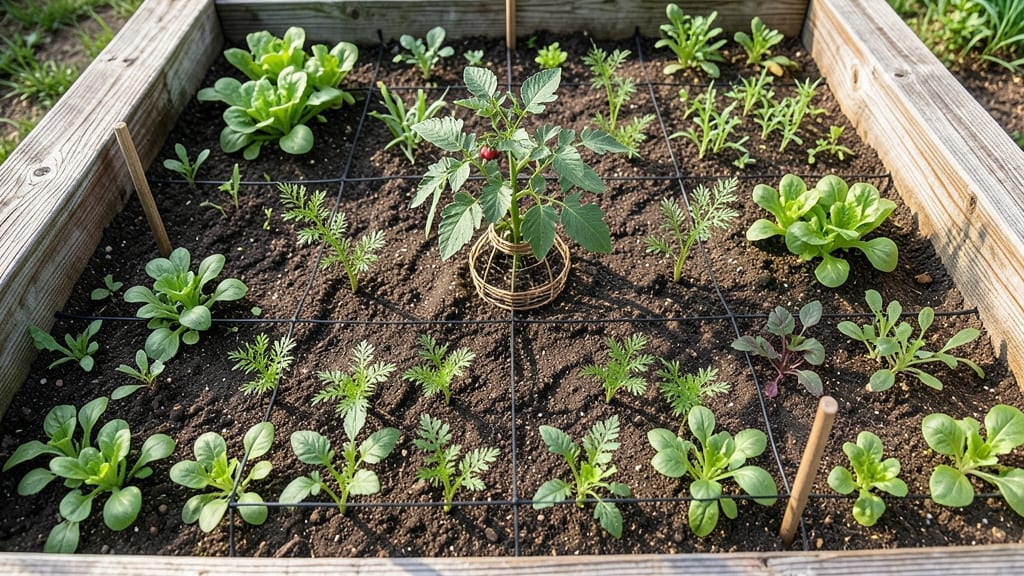
Tired of wasted space and uneven plant spacing? The square foot grid system turns your garden into a high-efficiency machine—where every inch works harder. This method, popularized by Mel Bartholomew, lets you grow 16 carrots + 1 tomato in just one square foot, eliminating guesswork and maximizing yields in tiny plots.
Start by dividing your bed into a grid (12" x 12" squares) using wooden stakes or twine. Each square gets a specific plant mix based on size: 16 radishes, 9 lettuces, 4 onions, or 1 tomato per square. The key? Thin seedlings early to avoid overcrowding, and use companion planting (like marigolds to deter pests) for extra protection. This system thrives in raised beds or in-ground plots and works year-round with seasonal crop rotations.
Perfect for urban gardeners, beginners, or anyone with limited space, this method cuts waste while giving you the satisfaction of a perfectly organized harvest. 🌱
Raised Keyhole Garden Beds
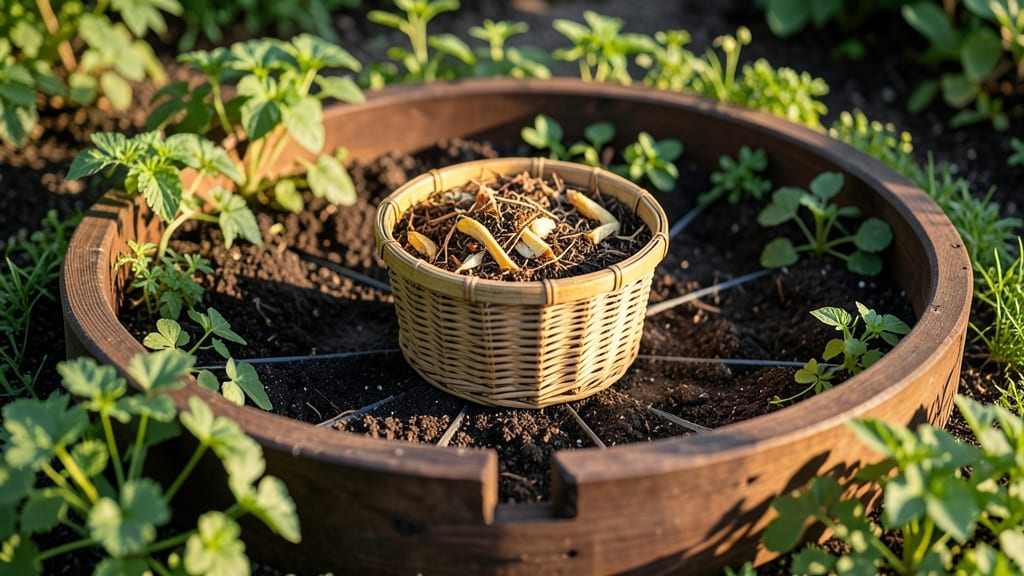
Tired of hauling compost to your raised beds? A raised keyhole garden turns waste into a built-in fertilizer system with its central compost basket—no more trips to the compost pile! This circular design lets you toss kitchen scraps or yard waste directly into the middle, where it decomposes slowly and feeds your plants.
The keyhole shape ensures every inch of soil gets nutrients from the compost basket’s drainage system, while the outer ring grows leafy greens like kale or spinach that thrive in nutrient-rich soil. Build with local stones or bricks for durability, and add a wooden or metal compost basket in the center. Perfect for permaculture gardens, this design cuts maintenance by 50% while keeping soil fertile year-round.
Busy gardeners and eco-conscious growers will love how this self-sustaining system reduces waste and water needs—ideal for small urban plots or rural permaculture setups. 🌿
Hanging Pocket Planters for Greens
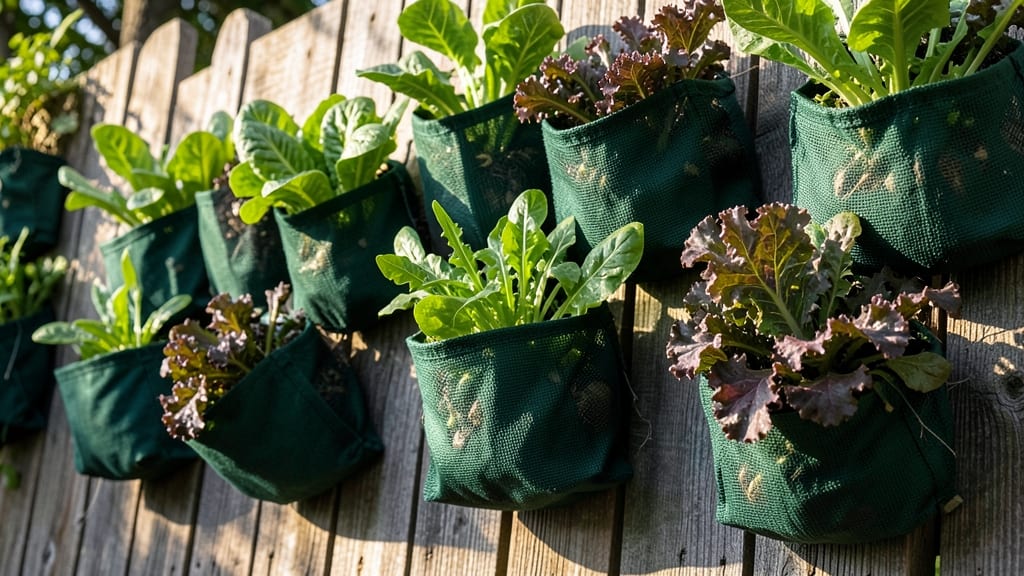
Turn blank walls or fences into a fresh salad source with hanging pocket planters—no soil mess, no bending, just vibrant greens within arm’s reach. These 100% recycled fabric pockets hold moisture like a sponge while keeping roots aerated, making them perfect for leafy greens that thrive in partial shade.
Fill each pocket with a fast-growing mix like arugula, spinach, or microgreens and hang them at shoulder height for easy harvesting. The fabric’s breathability reduces water waste by up to 30%, and the modular design lets you expand your edible wall as your green thumb grows. Ideal for urban balconies or small patios, these planters turn dead space into a year-round harvest.
City dwellers and balcony gardeners will love how these planters maximize vertical space without sacrificing yield—just add water and sunlight, and watch your greens flourish. 🌿
Spiral Herb Garden Design
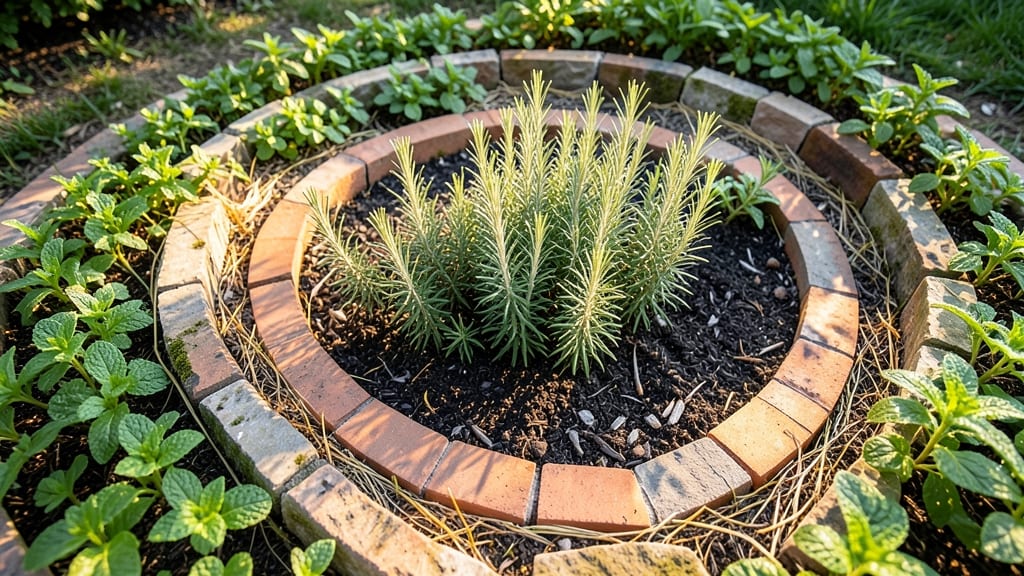
Tired of choosing between sun-loving rosemary and shade-tolerant mint? A spiral herb garden solves this dilemma by creating natural microclimates in a single bed. The spiral shape funnels sunlight to the center while outer rings stay cooler—a perfect setup for growing both heat-loving and cold-hardy herbs side by side.
Start by building a raised spiral bed (3–4 feet wide) using bricks, stones, or wood. Place drought-tolerant herbs like rosemary and thyme in the sunniest center rings, while mint, parsley, and cilantro thrive in the shadier outer curves. The design also improves air circulation, reducing pest issues and extending your harvest season. Add a drip irrigation line along the outer edge for even water distribution.
This design is ideal for urban gardeners with limited space or those who love whimsical yet functional layouts. Plus, the spiral shape makes it easy to access all plants without stepping on the bed. 🌿
Straw Bale Planters for Root Crops
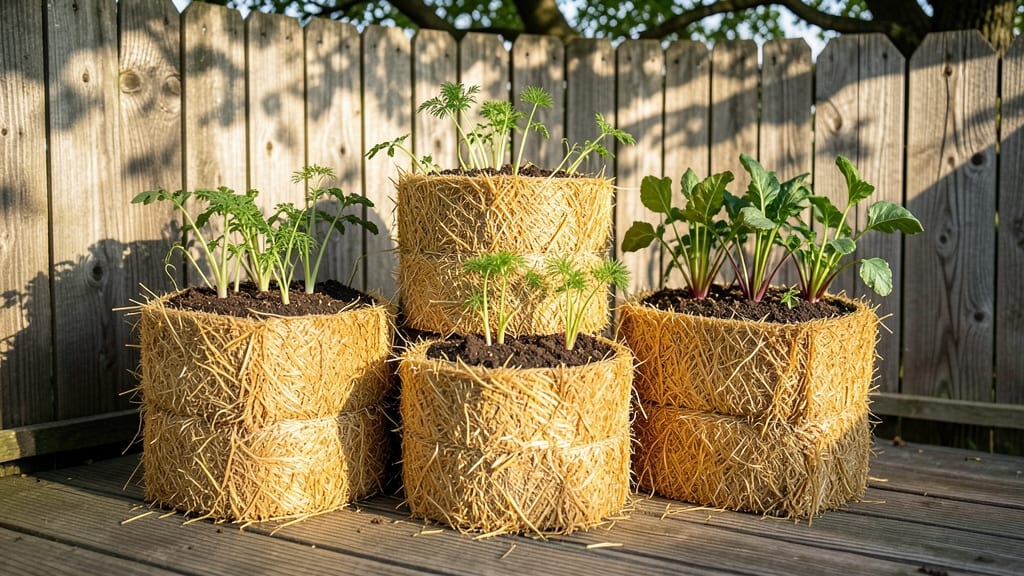
If you’re a renter or simply hate digging into compacted soil, straw bale planters offer a game-changing solution for growing potatoes, carrots, and beets without the mess. These bales act as self-contained, weed-free growing chambers that retain moisture while allowing roots to expand downward naturally—no tilling required!
Start by soaking bales for 2–3 days to kickstart decomposition, then add a balanced fertilizer. Plant seeds or cuttings directly into holes cut into the bale, spacing them according to your crop’s needs. Drip irrigation works best here, delivering water directly to roots while keeping leaves dry. This method also eliminates the need for soil amendments, making it ideal for urban gardeners with limited access to quality dirt.
Perfect for small balconies or backyard corners, straw bale planters let you grow root crops without permanent soil changes—just move the bales when harvest time comes. 🌱
Tiered Wooden Crate Veggies
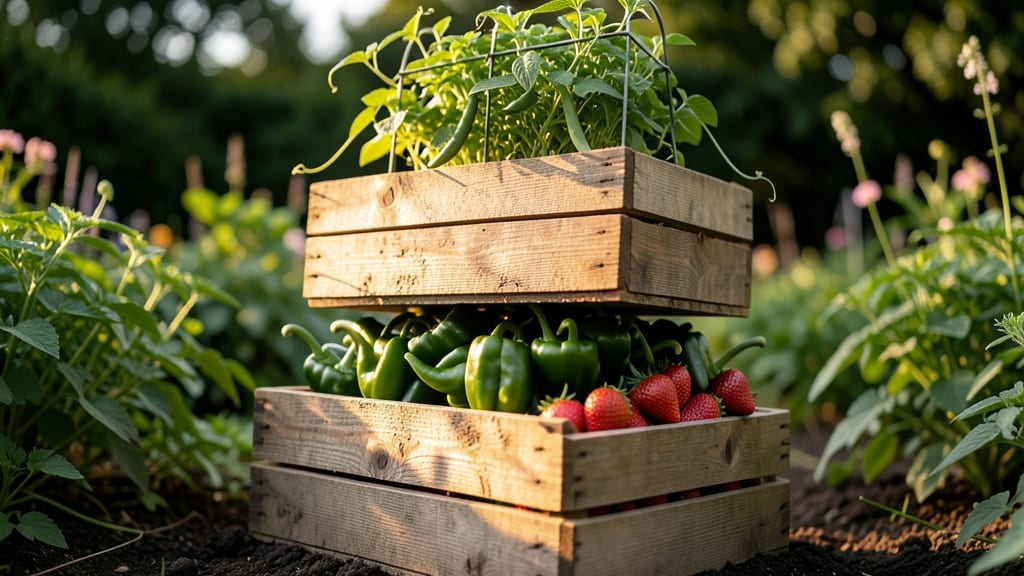
Turn your 4’x4’ plot into a vertical harvest powerhouse with stackable wooden crates—the perfect solution for growing bush beans, peppers, and strawberries without sacrificing floor space. This rustic yet modern approach lets you grow more in less area while adding charming texture to your garden.
Start with three weather-resistant crates (untreated cedar or redwood works best) stacked at varying heights, each filled with well-draining potting mix. Plant bush beans in the top tier for their vertical growth habit, peppers in the middle for their medium height, and strawberries in the bottom for their trailing vines. Space plants according to their mature size—12 inches apart for beans, 18 inches for peppers, and 10 inches for strawberries—to ensure airflow and prevent disease.
This design is ideal for urban gardeners, small-space growers, or anyone who loves cottage-style charm. Plus, the vertical layers make harvesting easier on your back while keeping pests at bay. 🌻
Lasagna Garden Beds
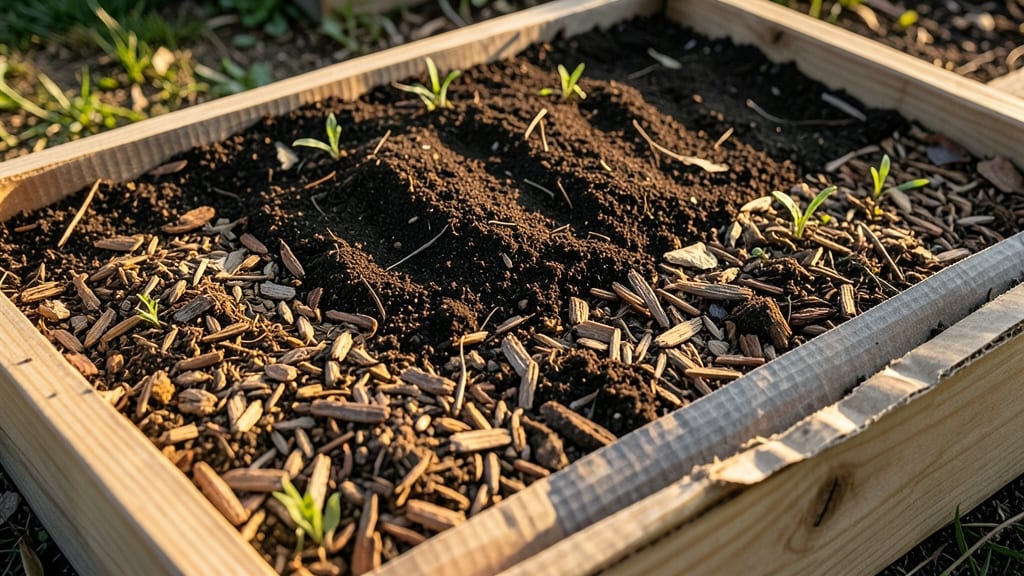
Tired of digging, tilling, and struggling with poor soil? Lasagna garden beds let you skip the hard work entirely by layering cardboard, compost, and mulch—nature does the rest while you relax.
Start with a thick layer of cardboard (no tape or glossy paper) to smother weeds, then add alternating layers of nitrogen-rich greens (grass clippings, coffee grounds) and browns (leaves, straw). Top with 2-3 inches of mulch (straw or wood chips) to retain moisture. In just 4-6 weeks, this "lasagna" decomposes into fluffy, fertile soil—ready for tomatoes, zucchini, or even flowers without backbreaking prep.
Perfect for beginners, urban gardeners, or anyone reviving neglected soil, this method saves time, reduces weeds, and eliminates the need for expensive soil amendments. No tools required—just layer, water, and watch your garden transform! 🌱
Window Box Salad Greens
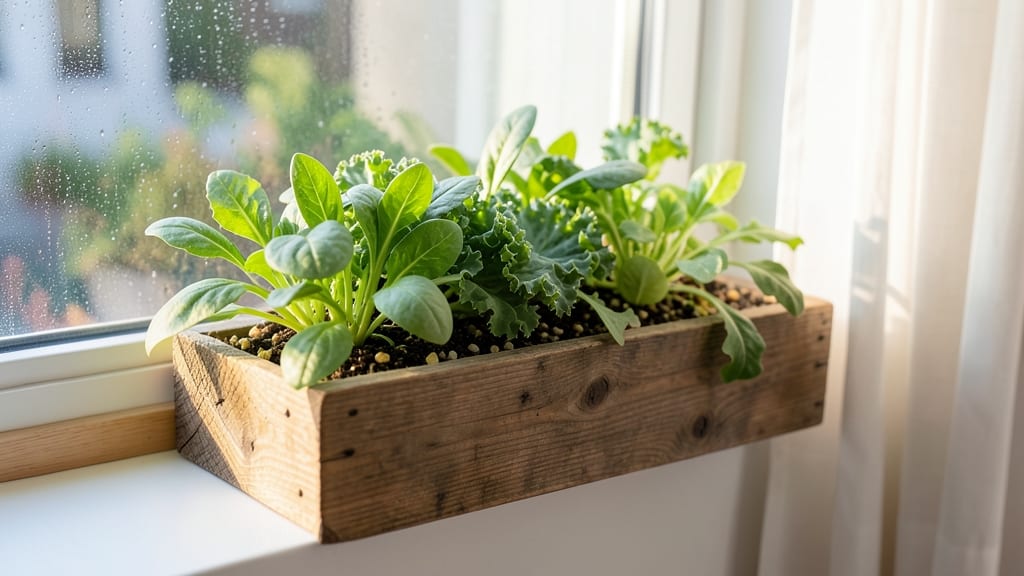
Turn your sunniest windowsill into a mini salad garden with window box greens—no yard required! This space-saving hack lets you grow tender baby spinach, kale, or mesclun mixes year-round, even in apartments or small homes.
Start with a deep window box (at least 8 inches deep) filled with well-draining potting soil. Plant seeds ½ inch deep, spacing them 2–3 inches apart for optimal air circulation. Place your box where it gets 6–8 hours of sunlight daily—south- or west-facing windows work best. Water gently from the bottom to prevent leaf rot, and harvest outer leaves as they mature to encourage continuous growth. For extra flavor, try succession planting every 2–3 weeks.
This design is perfect for urban gardeners or anyone with limited outdoor space. You’ll enjoy fresh, homegrown greens within weeks, straight from your kitchen window. 🌿
Underground Potato Trenches

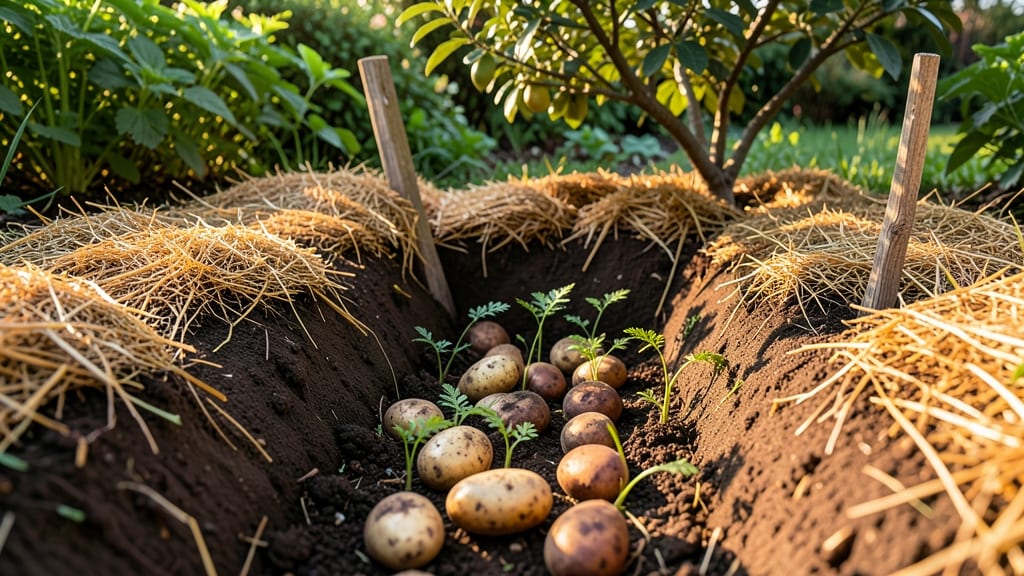
Turn your backyard’s unused corners into a potato powerhouse with underground trenches—a clever way to grow more spuds in less space. Instead of sprawling vines taking over your garden, this method tucks plants below ground, freeing up precious real estate for other crops.
Dig a 12-inch-deep trench (or bury a barrel halfway) and fill with loose, nutrient-rich soil. Plant seed potatoes 6 inches apart, then mound soil over them as they grow—this encourages more tubers to form underground. For small yards, try barrels or wooden boxes buried to their rims, which can yield 5–10 pounds of potatoes per square foot. Mulch with straw to keep soil moist and pests at bay.
This trick is a game-changer for urban gardeners or anyone with limited space—no one will even know your hidden harvest is thriving below! 🌱