
Vegetables
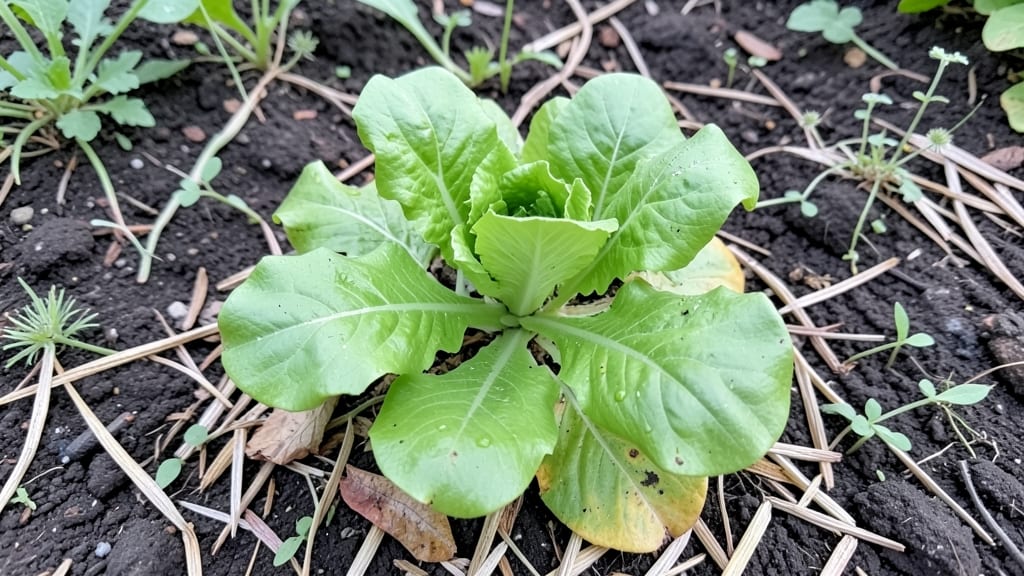
Victory gardens during World War II were important because they boosted food supplies, reduced dependence on commercial farming, and strengthened national unity by encouraging homegrown produce like vegetables and herbs. These gardens eased food shortages and freed up agricultural resources for military needs overseas.
During WWII, food rationing and disrupted shipping made fresh produce scarce, creating a critical need for alternative food sources. 💛 Victory gardens stepped in by turning backyards, rooftops, and even vacant lots into productive farmland, growing staples like potatoes, carrots, and tomatoes that would otherwise require precious shipping space.
The U.S. government even launched the National Garden Program, distributing seeds and guides to citizens nationwide.
Beyond food security, these gardens became symbols of patriotism and community resilience. Schools and urban neighborhoods organized collective planting efforts, while propaganda posters framed gardening as a direct contribution to the war effort.
The shared experience of growing food together fostered camaraderie during a time of national crisis, proving that small-scale agriculture could have a big impact on both the home front and battlefield.
💡 In This Article
- How Victory Gardens Solved WWII Food Shortages
- Patriotic and Community Benefits of Victory Gardens
How victory gardens solved WWII food shortages
The war effort created a perfect storm of agricultural challenges that victory gardens directly addressed. Commercial farming faced labor shortages as millions of men joined the military, while rationing limited household food allocations to just 60% of pre-war levels by 1943.
Shipping disruptions from U-boat attacks in the Atlantic reduced imports of staples like coffee, sugar, and canned goods by nearly 40%, forcing Americans to rely on domestic production.
Victory gardens filled this gap by producing 40% of all vegetables consumed in the U.S. during the war—equivalent to feeding the entire population of New York City three times over.
Potatoes alone yielded 9 million tons annually, while homegrown tomatoes supplied 1.5 billion pounds of fresh produce that would have otherwise required precious shipping containers. The average garden measured just 300 square feet but could produce enough food to feed a family of four for an entire season.
The government's National Garden Program played a pivotal role by distributing 10 million seed packets and instructional pamphlets, while schools taught children how to grow "war gardens" as part of their curriculum.
Propaganda campaigns like the "Food Will Win the War" posters framed gardening as a patriotic duty, with First Lady Eleanor Roosevelt even planting her own White House garden to set an example. This coordinated effort transformed backyards into battlefields of a different kind.
Logistically, victory gardens reduced pressure on commercial farms to grow consumer vegetables, allowing them to focus on livestock and grains needed for military rations. The program also created 1.5 million new farmers—mostly women and children—who learned agricultural skills that would later benefit post-war food security.
The sheer scale of participation (over 18 million gardens nationwide) proved that decentralized food production could be just as effective as industrial agriculture when coordinated properly.
What makes this even more remarkable is how these small plots solved multiple problems simultaneously. They reduced shipping demands by 20 million tons annually, lowered food prices by providing fresh produce, and boosted morale through tangible contributions to the war effort.
The success of victory gardens demonstrated that food security isn't just about large-scale farming—it's about community effort and resourcefulness when faced with crisis. 💫