
Vegetables
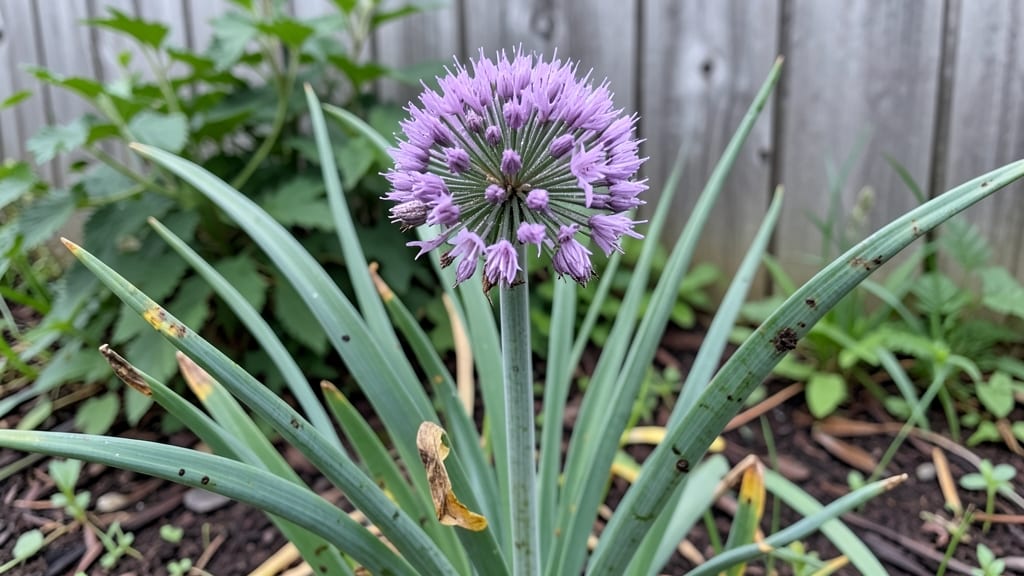
The Gardens World Show is an annual celebration of horticulture that showcases breathtaking botanical displays, hands-on workshops led by gardening experts, and live demonstrations featuring exotic plant varieties and advanced growing methods. Attendees can wander through themed garden sections, connect with industry leaders, and explore cutting-edge tools for eco-friendly landscaping.
The Gardens World Show stands out as the premier event for plant enthusiasts and professional gardeners alike. 🌿 With over 500 exhibitors and 100+ workshops, it’s not just a trade show—it’s a full sensory experience blending education and inspiration.
Whether you're a beginner looking for organic gardening tips or a seasoned grower seeking rare species, the event’s carefully curated zones ensure you leave with practical knowledge and fresh ideas for your own green space.
One highlight is the interactive plant clinics, where horticulturists diagnose common issues like pests or soil depletion. 💫 The show also features live demos on everything from vertical gardening to hydroponics, making it a goldmine for anyone eager to upgrade their gardening skills.
Plus, the networking opportunities—like the industry mixer—can lead to collaborations or even bulk discounts on premium tools.
💡 In This Article
- Behind the Scenes: How Gardens World Show Curates Exhibits
- Top Takeaways: Must-Visit Gardens World Show Zones
Behind the scenes: how gardens world show curates exhibits
The curatorial team behind the show starts with a rigorous selection process that prioritizes plants with seasonal relevance and educational value. They collaborate with 30+ horticultural experts annually to identify species that demonstrate cutting-edge cultivation techniques or address current gardening challenges.
For example, drought-resistant succulents like Echeveria varieties are often featured due to their water-saving benefits, while rare orchids showcase the precision of controlled-environment agriculture.
The science of exhibit design focuses on visual impact and interactive engagement. Displays are arranged to mimic natural ecosystems, using lighting techniques that highlight foliage textures—like the velvety leaves of Coleus or the waxy blooms of Helleborus.
Temperature-controlled zones maintain optimal conditions for tropical plants, preventing wilting while allowing visitors to observe their natural growth patterns up close. The team also incorporates AR-enhanced displays that reveal root structures or flowering cycles through augmented reality.
Balancing education with entertainment requires careful choreography. Workshops like "Soil Microbiology 101" use microscope stations to show beneficial fungi and bacteria at 1000x magnification, while live demos feature time-lapse projections of plant growth over seasons.
This dual approach ensures attendees leave with both practical skills (like grafting techniques) and aesthetic inspiration—such as how to layer perennials for year-round interest.
Climate-adapted species play a starring role in the show's sustainability message. Exhibits often feature native plant collections that thrive with 30% less water than exotic varieties, paired with data visualizations showing regional rainfall patterns.
The team even tests urban-friendly solutions, like vertical gardens that purify 1000 cubic feet of air daily through photosynthesis. These real-world applications make the science tangible for attendees.
Behind every exhibit is a 6-month planning cycle that includes site visits to botanical gardens worldwide. The curators prioritize plants that demonstrate adaptive resilience, such as Sea Thrift (Armeria maritima) which survives salt spray and wind speeds up to 60 mph.
Interactive elements like "Touch & Smell" stations—where visitors can feel the fuzzy texture of lamb's ear or inhale the citrusy aroma of Citrus aurantium—create memorable learning moments.
What most attendees don't realize is how the show's layout follows biophilic design principles. Walkways curve to mimic natural paths, while seating areas incorporate living walls that filter air while providing shade.
The result? A space that feels like an extension of nature while teaching visitors how to replicate these principles in their own gardens. 🌿