
Mower
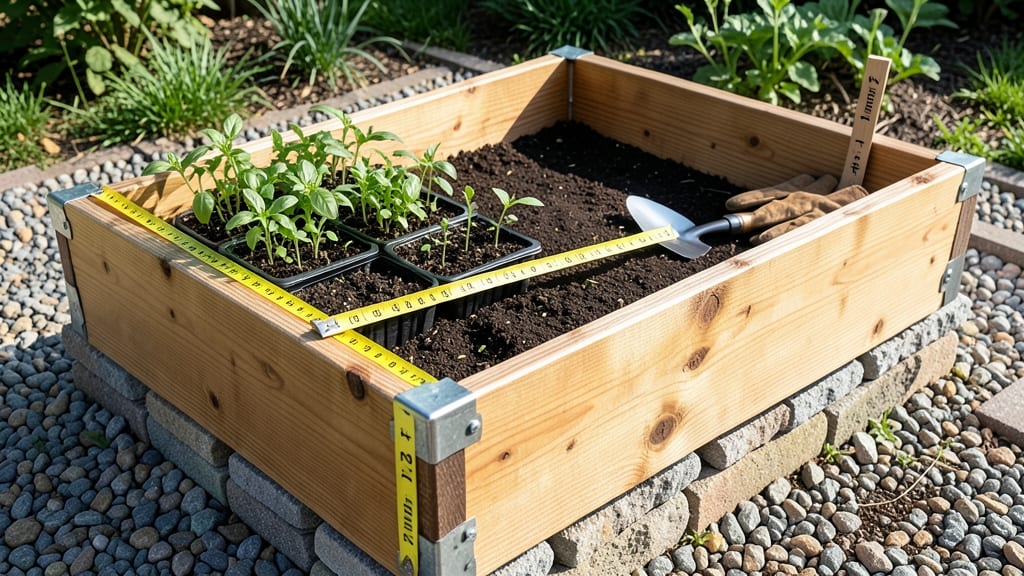
Standard raised bed dimensions typically measure 4 feet by 8 feet (the most popular size) or 3 feet by 6 feet for smaller gardens, with heights between 6 and 12 inches to ensure proper drainage and easy maintenance. Most vegetable and herb root systems thrive in beds that are at least 10-12 inches deep.
When you're planning your raised garden, these dimensions aren't random—they're designed for practicality. 🌱 A 4x8-foot bed gives you enough space to grow a variety of crops while keeping the soil warm and moisture-retentive, thanks to its surface area.
The 10-12-inch depth ensures even deep-rooted plants like tomatoes and carrots have room to grow without hitting the bottom of the bed.
For smaller spaces, a 3x6-foot bed works perfectly for herbs, leafy greens, or a single row of bush beans, while still allowing you to reach the center without stepping inside.
What's interesting is how width affects your gardening experience. Most gardeners prefer beds that are no wider than 4 feet—this way, you can comfortably reach the center from either side without compacting the soil.
If you're working with limited space, consider building multiple narrow beds instead of one wide one. This approach also helps with soil temperature regulation, as narrower beds warm up faster in spring and stay cooler in summer.
💡 In This Article
- How Raised Bed Dimensions Impact Plant Growth and Garden Layout
- Choosing the Best Raised Bed Size for Your Garden Space and Plants
How raised bed dimensions impact plant growth and garden layout
The 4-foot width of standard raised beds isn't arbitrary—it's based on ergonomics. When you stand at the center of a 4-foot bed, your arms can comfortably reach 2 feet in either direction without stepping inside or compacting the soil.
This "reach zone" creates a perfect balance between productivity and soil health. 🌱 For example, planting a row of tomato plants (which spread about 18-24 inches) along the center gives you equal access to both sides for pruning, harvesting, and weeding.
Depth plays a crucial role in root development. Most vegetables and herbs thrive in 10-12 inches of soil, which matches the depth of standard raised beds.
Carrots, for instance, need 8-12 inches to develop fully, while potatoes require 12-18 inches—so deeper beds (up to 18 inches) are ideal for these root crops. The extra depth also improves drainage, preventing waterlogging that can stunt growth or invite pests.
In contrast, shallow beds (6 inches) work well for shallow-rooted plants like lettuce or radishes but struggle with deeper varieties.
Bed shape influences soil temperature and moisture retention too. Rectangular beds (like 4x8 feet) have a higher surface-area-to-volume ratio, which means they warm up faster in spring and retain moisture more efficiently than square beds of the same area.
This is why rectangular designs dominate—your seedlings get off to a quicker start in cooler climates. For example, a 4x8-foot bed has about 20% more surface area than a 5.66x5.66-foot square bed, translating to better heat absorption and reduced water evaporation.
Narrower beds (3 feet wide) are perfect for small spaces or urban gardens, but they require more frequent watering due to their higher edge-to-center ratio. The soil near the edges dries out faster, so plants like herbs or strawberries may need daily attention in hot climates.
On the flip side, wider beds (5+ feet) force you to step inside, which compacts the soil and can damage plant roots. This is why most experts recommend 4 feet as the maximum width—it's the sweet spot for accessibility and soil integrity.
Consider how bed dimensions affect planting patterns too. A 4x8-foot bed can accommodate 4 rows of plants with 18-inch spacing between rows, while a 3x6-foot bed fits only 2 rows. This difference matters when planning for high-yield crops like zucchini or cucumbers, which need ample space to sprawl.
For example, a single zucchini plant can spread 3-4 feet, so a 4x8-foot bed can comfortably host 2-3 plants without overcrowding, whereas a 3x6-foot bed might only fit one.
Soil temperature variations also come into play. Dark-colored beds absorb 20-30% more heat than light-colored ones, which can accelerate growth in spring but may require shading in summer. For instance, a 4x8-foot cedar bed (natural wood) will warm up 2-3°F faster than a treated pine bed of the same size.
This difference can mean the gap between transplanting cool-season crops (like peas) and warm-season crops (like peppers) in early spring.