
Tools
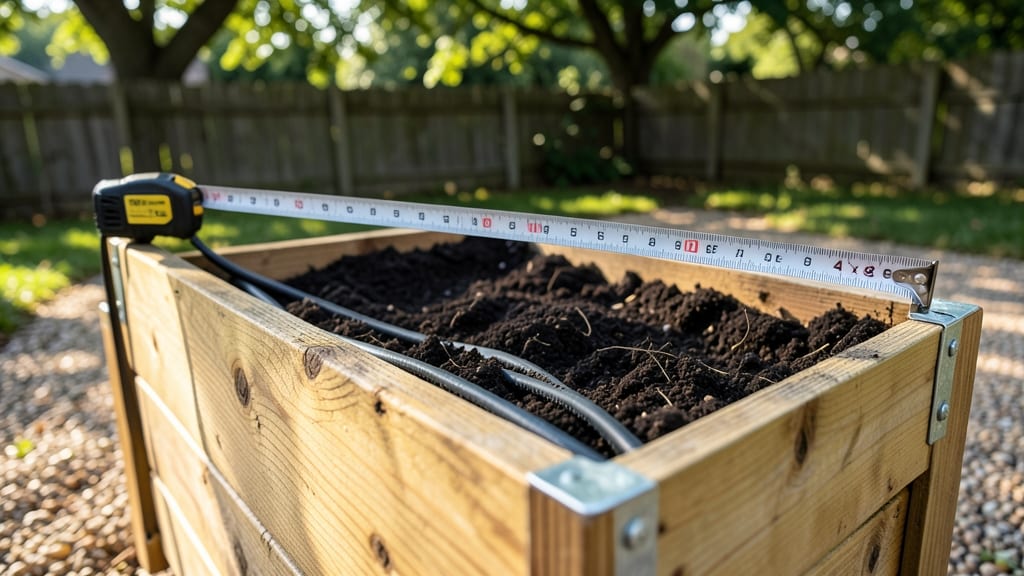
Standard raised garden bed sizes typically range between 4 feet wide by 8 feet long, with depths of 6 to 12 inches, optimizing accessibility, plant spacing, and root growth for most vegetables and herbs. Wider beds allow easy reach from both sides, while depth ensures proper soil volume.
These dimensions strike the perfect balance between ergonomics and plant health. A 4-foot width lets you reach the center without stepping into the bed, preventing soil compaction and making maintenance easier. 🌱 The 8-foot length provides ample growing space while keeping the bed manageable for most gardeners.
Depth matters too—6 to 12 inches accommodates root systems of most vegetables while allowing proper drainage. For deeper-rooted plants like potatoes, you might extend the depth to 18 inches, but standard beds work beautifully for leafy greens, herbs, and many fruiting plants.
What's fascinating is how these dimensions align with square-foot gardening principles. Each square foot of bed space can support a specific number of plants based on their mature size, maximizing yield without overcrowding.
For example, tomatoes need about 1 square foot, while carrots can share space with 16 per square foot. This efficiency is why the 4x8-foot bed has become the gold standard for home gardeners.
💡 In This Article
- Why 4x8 Feet Is the Optimal Raised Garden Bed Size
- Adjusting Raised Bed Dimensions for Specific Plants and Yields
Why 4x8 feet is the optimal raised garden bed size
The 4-foot width of standard raised beds is a masterclass in ergonomic design. When you stand at the center, your arms naturally extend about 2 feet on either side—meaning you can reach every inch of the bed without stepping inside.
This prevents soil compaction from foot traffic, which can suffocate plant roots and reduce oxygen flow. 🌱 Gardeners with mobility challenges will especially appreciate this feature, as it eliminates the need to bend over or kneel in the middle of the bed.
Studies show that maintaining this 2-foot reachable perimeter maximizes both comfort and productivity, allowing you to tend to plants without straining your back or disturbing the soil structure.
Depth plays a crucial role in root development and soil health. The standard 6 to 12 inches accommodates the majority of vegetables—like lettuce, radishes, and herbs—which thrive with this root zone.
For example, carrots need at least 10 inches of loose soil to grow straight, while tomatoes benefit from 12 inches to support their extensive root systems.
The science here is about the soil volume-to-surface-area ratio: deeper beds retain moisture longer while still allowing proper drainage, which is critical for preventing root rot.
A 12-inch depth also gives you the flexibility to layer compost and nutrients over time, creating a rich growing medium without needing to till.
Plant spacing is where the 8-foot length truly shines. This dimension allows you to arrange crops in neat rows while maximizing yield. For instance, a single 4x8-foot bed can accommodate 32 square feet of growing space—enough for a diverse mix of vegetables.
Using square-foot gardening principles, you could plant 4 tomato plants (1 square foot each), 16 carrots (16 per square foot), and 9 onions (4 per square foot) in the same bed, all while maintaining proper airflow to prevent disease.
The length also makes it easy to rotate crops seasonally without overcrowding, a key strategy for organic gardeners.
What most people don't realize is how these dimensions work together to create an ideal microclimate within the bed.
The 4-foot width ensures even sunlight exposure across the entire surface, while the 8-foot length allows for strategic placement of taller plants (like peas or pole beans) at one end to provide shade for heat-sensitive crops (like lettuce) at the other.
The depth also helps regulate soil temperature, keeping roots cooler in summer and warmer in spring—a critical factor for seedlings. This balance is why commercial growers and home gardeners alike gravitate toward this size.
Let’s talk about the material science behind it. A 4x8-foot bed uses standard lumber dimensions (like 2x6 or 2x12 boards), making it cost-effective and easy to assemble. The 8-foot length aligns with common board lengths, reducing waste and construction time.
Wood types like cedar or redwood, which resist rot, are often used for these beds because they can withstand years of exposure without warping.
Even the 12-inch depth is practical—it’s deep enough for most crops but not so deep that it requires excessive lumber or becomes difficult to fill with quality soil.
For those who love data, here’s a quick comparison: a 4x8-foot bed holds about 32 cubic feet of soil at 12 inches deep. That’s roughly 2,400 pounds of soil (assuming standard garden soil weighs about 75 pounds per cubic foot).
This volume is perfect for most home gardens—enough to grow a substantial harvest without overwhelming a single gardener. The weight also means the bed stays stable, reducing the risk of tipping or shifting over time. 💪
In short, the 4x8-foot raised bed isn’t just a size—it’s a system designed for efficiency, health, and ease. Whether you’re a beginner or a seasoned gardener, these dimensions give you the perfect balance of space, accessibility, and soil quality to grow your best crops yet.