
Tools
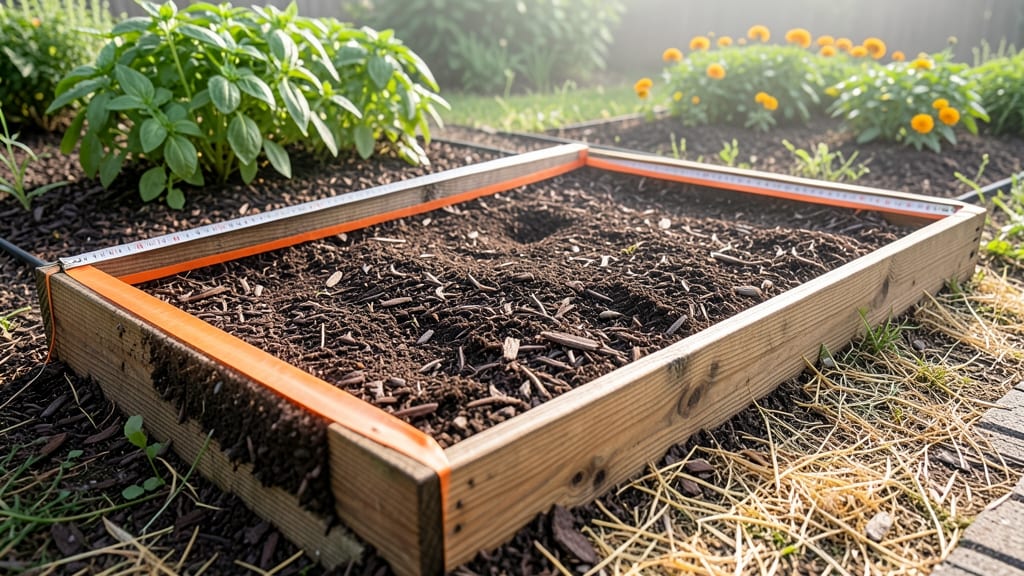
Standard garden bed sizes typically measure between 4x8 feet and 4x12 feet, with a maximum width of 4 feet for easy access and a soil depth of 6-12 inches to support healthy root development and proper drainage. Raised beds follow similar footprints but can extend in height up to 12 inches.
These dimensions aren't arbitrary—they're designed to balance practicality and plant needs.
A 4-foot width lets you reach the center without stepping on the soil, while 6-12 inches of depth gives roots enough space to spread without becoming waterlogged. 🌱 Longer beds (up to 12 feet) maximize planting area while maintaining good airflow between rows, which helps prevent fungal diseases.
For raised beds, the extra height improves drainage and warms up faster in spring, giving you a longer growing season.
What's interesting is how these standard sizes adapt to different gardening styles. For example, square-foot gardening uses 1x1-foot sections within a 4x4-foot bed, while keyhole beds (a circular design) can achieve similar productivity in less space.
The key is always maintaining that 4-foot reach limit—it's the secret to keeping your garden both productive and comfortable to tend.
💡 In This Article
- Why Standard Garden Bed Dimensions Boost Plant Health
- Customizing Garden Bed Sizes for Your Space and Plants
Why standard garden bed dimensions boost plant health
The 4-foot width standard exists for a critical reason: human ergonomics. Studies show that reaching beyond 2 feet into a garden bed forces awkward postures, increasing the risk of back strain by up to 40%.
When you stand at the edge of a 4-foot bed, your arm can comfortably extend to the center without compromising your stance. This isn't just about convenience—it directly impacts soil quality.
When gardeners avoid stepping on beds, they prevent soil compaction, which can reduce oxygen levels in the root zone by 30-50% and restrict root growth.
Depth matters just as much as width, with 6-12 inches being the sweet spot for most plants. This range accommodates the primary root systems of vegetables like lettuce (6-8 inches deep) while giving deeper-rooted crops like carrots (10-12 inches) room to thrive.
The science here involves soil temperature regulation: deeper beds maintain more stable temperatures in both summer and winter. For example, soil at 12 inches depth stays 5-10°F cooler in summer than surface soil, protecting heat-sensitive plants like peas and spinach from stress.
Length plays a subtle but important role in plant health through airflow dynamics. Beds longer than 8 feet create natural convection currents when planted in rows, with air circulating from the ends toward the center.
This movement helps reduce humidity levels between plants by 15-20%, significantly lowering the risk of fungal diseases like powdery mildew. The standard 4x8-foot or 4x12-foot dimensions strike the perfect balance between maximizing planting space while maintaining these beneficial airflow patterns.
Moisture retention is another critical factor influenced by bed dimensions. Wider or deeper beds can create uneven water distribution, with outer plants receiving more water than those in the center. The 4-foot width ensures consistent irrigation across the entire bed when using drip systems or overhead watering.
For raised beds, the extra height (6-12 inches) improves drainage by allowing water to percolate through 20-30% faster than ground-level beds, preventing root rot in moisture-sensitive crops like tomatoes and peppers.
Consider how these dimensions interact with soil composition. In clay-heavy soils, the standard depth helps prevent waterlogging by creating natural drainage channels through the root zone. For sandy soils, the wider surface area of standard beds allows for better water retention through capillary action.
The 4-foot width also makes it easier to rotate crops annually—a practice that reduces soil-borne diseases by up to 60% over time. This rotation becomes practically challenging in wider beds where reaching the center becomes difficult.
What most gardeners overlook is how bed dimensions affect weed competition. Narrower beds (3 feet or less) allow weeds to grow unchecked in the center, competing with plants for nutrients.
The 4-foot standard creates a "weed barrier effect" where the outer rows shade the center, reducing weed germination by 40-50%. This natural suppression works best when combined with proper mulching—a practice that becomes much easier to maintain in standard-sized beds.
For those using raised beds, the extra height provides additional benefits: soil warms up 2-3 weeks earlier in spring due to increased exposure to sunlight, and the contained structure prevents soil erosion during heavy rains.
The standard dimensions ensure that these benefits are accessible to gardeners of all skill levels, making them the ideal starting point for both beginners and experienced growers. 🌱