
Pests
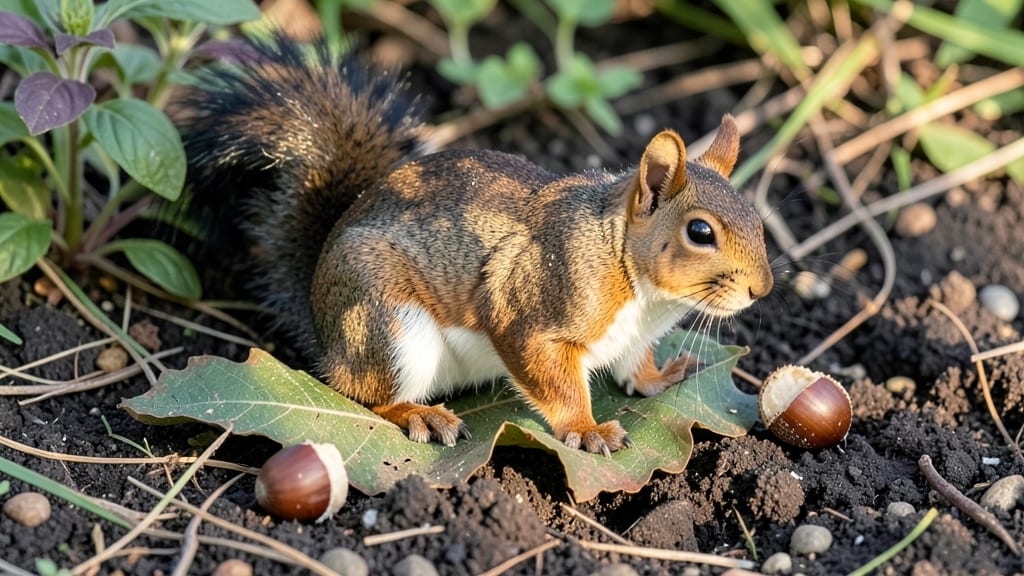
The squirrel damage in my garden was relentless—my tomatoes and tulips became their all-you-can-eat buffet. 🌱 These clever critters don’t just dig up bulbs; they strip bark, chew wiring, and turn your carefully planted rows into their personal salad bar.
The good news? Natural barriers that actually work exist, and they’re easier to set up than you think.
Most squirrel damage happens at ground level, where they bury food or gnaw on tender shoots. I’ve tried everything from cayenne pepper sprays to wire mesh, but the real game-changers are motion-activated sprinklers and hardware cloth tunnels around vulnerable plants.
The key is making your garden less appealing than the woods next door—without trapping or harming them.
By combining physical barriers with scent deterrents (like predator urine or crushed garlic), you’ll see a dramatic drop in damage within 2-3 weeks. Imagine waking up to intact seedlings instead of fresh holes, or harvesting peppers that weren’t nibbled overnight.
The best part? These methods work for vegetables, flowers, and even birdseed feeders.
Whether you’re dealing with a single troublemaker or a whole squirrel colony, the solutions scale from simple DIY fixes to long-term landscape adjustments. Let’s turn your garden back into a sanctuary—without turning it into a warzone.
Root Causes Of Squirrel Garden Raids
Squirrels may seem like harmless, fluffy neighbors, but when they invade your garden, they can wreak havoc on your hard work. Understanding why they’re drawn to your outdoor space is the first step in outsmarting them.
These clever rodents are motivated by survival instincts, food scarcity, and even curiosity. Below, we break down the key reasons squirrels turn your garden into their personal buffet.
Squirrels are opportunistic foragers, meaning they’ll eat almost anything they can find—especially if their natural food sources (like nuts, seeds, and fruits) are running low. In urban and suburban areas, gardens often provide an easier, more abundant food supply than the wild. Here’s why this happens:
- Overabundance of garden treats: Plants like tomatoes, peppers, berries, and bulbs (such as tulips and daffodils) are squirrel favorites. If your garden is lush with these, squirrels will see it as a free all-you-can-eat buffet.
- Bird feeders attract squirrels: If you feed birds, squirrels will absolutely notice. They’re smart enough to associate birdseed with easy meals and will raid gardens to supplement their diet.
- Seasonal food shortages: During late winter or early spring, when natural food is scarce, squirrels become desperate and will dig up bulbs or nibble on young shoots just to survive.
Actionable insight: If your garden is a squirrel magnet, it’s likely because it’s too easy for them. The key is to remove the temptation by securing food sources and making your garden less appealing.
Human development has shrunk squirrels’ natural habitats, forcing them to adapt by seeking food in gardens, attics, and even trash cans. Here’s how urbanization plays a role:
- Loss of woodland cover: Squirrels traditionally nest in trees, but deforestation and suburban sprawl have reduced their safe zones. Gardens with dense shrubs or ground cover can look like ideal hiding spots to them.
- Proximity to human food: Garbage cans, compost piles, and even pet food left outdoors can train squirrels to associate humans with easy meals. Once they learn this, your garden becomes the next stop.
- Lack of natural predators: In the wild, squirrels face threats from birds of prey, coyotes, and larger animals. But in suburban areas, these predators are often absent, giving squirrels boldness and confidence to explore gardens.
Actionable insight: If squirrels are nesting in your garden, they’re likely using it as a safe haven. By reducing hiding spots (like tall grass or dense bushes) and securing food sources, you can make your yard less attractive.
Don’t underestimate these critters—they’re highly intelligent and quick learners. Squirrels can remember where food is hidden, problem-solve, and even teach their young how to raid gardens. Here’s how their smarts contribute to garden damage:
- Memory of food locations: Squirrels have exceptional spatial memory and can recall exactly where they buried nuts or where your garden’s weak spots are (like thin soil over bulbs).
- Tool use and problem-solving: Some squirrels have been observed using leaves or sticks to dig up buried food or even opening latches on bird feeders to access seeds.
- Social learning: If one squirrel succeeds in raiding your garden, others will quickly follow suit. They communicate through vocalizations and body language, making garden damage a group effort.
Actionable insight: Squirrels are not stupid—they adapt to solutions. If you use a deterrent once and it fails, they’ll find another way. The trick is to outsmart them with consistent, multi-layered barriers.
Squirrels don’t raid gardens year-round—they’re most active during specific times when conditions favor their survival. Understanding these patterns helps you predict and prevent damage:
| Season | Why Squirrels Strike | Common Targets |
|---|---|---|
| Late Winter/Early Spring | Food is scarce; squirrels dig up bulbs (like tulips) for stored energy. | Tulips, daffodils, crocus |
| Spring/Summer | Young squirrels are learning to forage; adults gather food for winter. | Berries, peppers, tomatoes, corn |
| Fall | Squirrels cache food for winter; they’ll steal from gardens to stockpile. | Nuts, acorns, seeds, fallen fruit |
Actionable insight: Timing is everything. If you know when squirrels are most active in your area, you can protect vulnerable plants early—like covering bulbs before winter or securing fruit trees in summer.
Quick Fixes for Squirrel Havoc
Squirrels may be adorable, but their digging, chewing, and nesting habits can turn your garden into a battleground. The good news? With the right strategies, you can outsmart these furry troublemakers without resorting to harsh chemicals.
Below, we’ve mapped common squirrel damage causes to practical, garden-friendly solutions—plus prevention tips to keep your plants (and peace of mind) intact.
Squirrels love munching on tender shoots, tulip bulbs, and even young seedlings—leaving your garden looking like a salad bar for rodents.
🔥 Fix It Fast:
- 🍳 Cover vulnerable plants with wire mesh (¼-inch hardware cloth) or floating row covers before planting.
Secure edges with soil or stakes. - 👨🍳 Use repellent sprays like hot pepper wax (mix cayenne pepper + water + dish soap) or garlic-based sprays (squirrels hate the smell!).
Reapply after rain. - 🥘 Plant squirrel-proof alternatives: Swap prized bulbs (like tulips) for daffodils or alliums—squirrels avoid their bitter taste.
💡 Prevention Pro Tips:
✅ Scatter coffee grounds around plant bases—squirrels dislike the strong scent. ✅ Plant near squirrel predators: Marigolds or lavender can deter them with their fragrance. ✅ Harvest bulbs early if squirrels are persistent—store them indoors until planting season.
Squirrels tunnel for grubs, nuts, or nesting material, turning your lawn into a moon landscape.
🔪 Patch & Protect:
- ⏰ Fill holes immediately with soil and lightly tamp down to prevent erosion.
For deep tunnels, mix in gravel to discourage repeat digging. - 🌡️ Install underground barriers: Bury wire mesh (18-inch deep) around garden beds or lawn edges to block access. - 🎯 Redirect their energy: Set up a squirrel feeder (with nuts/sunflower seeds) far from your garden to lure them away.
💡 Prevention Pro Tips:
✅ Aerate your lawn in fall—fewer grubs = less digging incentive. ✅ Mulch heavily around trees to hide buried nuts (squirrels won’t dig as much if they can’t see their targets). ✅ Use motion-activated sprinklers—the sudden spray startles them without harm.
Squirrels love nesting in sheds, birdhouses, or dense shrubs, turning your quiet garden into a squirrel condo.
🏡 Remove & Relocate:
- 🔪 Seal entry points with steel wool + caulk (squirrels can’t chew through it) or hardware cloth.
- 🌿 Prune thick shrubs to remove hiding spots—keep branches at least 4 feet from structures.
- 🎯 Offer better nesting spots: Place a squirrel-proof birdhouse (with a baffle) away from your garden.
💡 Prevention Pro Tips:
✅ Clean out old nests in fall—remove all leaves/debris where they might return. ✅ Use ultrasonic repellents (battery-powered) near sheds or decks. ✅ Plant thorny bushes (like barberries) near problem areas—they’ll think twice about nesting there.
Squirrels love ripe fruits, corn, and berries—they’ll raid your garden faster than a picnic blanket at a park.
🍎 Protect Your Produce:
- 🍳 Cover crops with netting (like floating row covers) when fruits/veggies ripen.
- 👨🍳 Use scent deterrents: Spray vinegar + water (1:1 ratio) on plants—squirrels avoid the smell.
- 🥘 Harvest early or often: Pick fruits/veggies before they fully ripen and store indoors.
💡 Prevention Pro Tips:
✅ Plant squirrel-deterrent herbs (like rosemary or mint) near vulnerable crops. ✅ Set up a decoy garden: Plant a sacrificial crop (like sunflowers) far from your veggies to distract them. ✅ Use reflective tape on netting—it startles them without harm.
For lasting protection, combine physical barriers + behavioral tricks:
- Install a squirrel baffle on tree trunks (they can’t climb smooth surfaces).
- Plant a “squirrel buffer zone” of deterrent plants (like daffodils or alliums) around your garden’s perimeter.
- Keep bird feeders clean and far away—squirrels will focus on easy snacks instead of your garden.
Remember: Squirrels are highly intelligent—mix up your methods to stay one step ahead. Test what works in your garden, and soon you’ll have a squirrel-free (or at least squirrel-tolerant) paradise! 🐿️🚫🌿
Frequently asked questions
What are the most common signs of squirrel damage in my garden?
Look for freshly dug holes around plant beds (especially near bulbs like tulips or daffodils), chewed stems, stripped bark on young trees, and scattered debris like acorn shells or nut fragments. You may also spot tiny claw marks on fences or garden structures where they’ve been climbing.
Will predator urine or commercial repellents actually work against squirrels?
Yes, but with caveats! Predator urine (like coyote or fox) can deter squirrels for 2-4 weeks if reapplied regularly after rain. Commercial sprays with capsaicin (like hot pepper wax) also work well, but squirrels often adapt—combine these with physical barriers like hardware cloth for best results.
Can I use motion-activated sprinklers without harming plants?
These are one of the most effective humane solutions. Set them to spray for 3-5 seconds when triggered—enough to startle squirrels but gentle enough for most plants. Just avoid using them on delicate seedlings or during extreme heat when water stress could occur.
Are there any plants squirrels naturally avoid?
Yes! Squirrels dislike strongly scented plants like daffodils, alliums, marigolds, and lavender. These contain natural compounds that repel them. For vegetables, try rosemary or mint planted near vulnerable crops—their strong aroma masks food scents that attract squirrels.
What should I do if squirrels have already nested in my garden shed?
Wait until late fall or winter when they’re less active, then seal all entry points with steel wool + caulk or hardware cloth. Never remove nests during breeding season (spring/summer)—this is illegal in many areas and harmful to baby squirrels.