
Tools
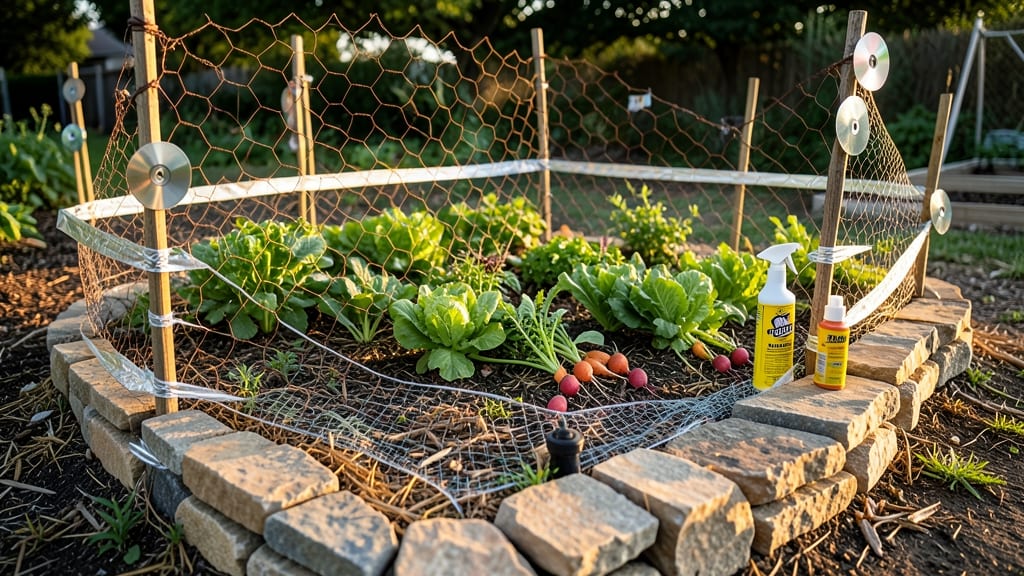
How to protect your garden bed from animals—last spring’s rabbit massacre taught me the hard way that the right barriers and deterrents make all the difference. 🌱 The right combination of physical protection and smart deterrents can save your plants from becoming a buffet for hungry critters, whether it's deer, rabbits, or even squirrels. Start with sturdy fencing or netting that's buried at least 6 inches deep to block diggers. Add mulch rings around plants or use raised beds with hardware cloth wrapped around the bottom. For smaller pests, companion planting with strong-scented herbs often does the trick. You'll see the difference within days: no more chewed leaves, no vanished seedlings, just healthy plants thriving exactly where you planted them. The key is layered defense—no single method works for everything. Works for vegetable gardens, flower beds, and even container setups. Let's keep those critters out for good!
📚 In This Guide
- What you need
- Instructions
- Tips and common mistakes
- Wrapping up and next steps
What you need
- ● Hardware cloth or wire mesh: ¼-inch (6mm) or smaller mesh (e.g., 18-gauge galvanized steel), enough to cover the perimeter and depth of your garden bed. Pro tip: 💡 For burrowing animals, extend it 12 inches below ground.
- ● Stakes or posts: 2–3 ft long (e.g., galvanized steel or treated wood), spaced every 2–3 feet along the garden bed edges.
- ● Heavy-duty staples or zip ties: For securing mesh to stakes or fencing.
- ○ Garden twine or burlap: To camouflage mesh (optional but recommended for aesthetics).
- ● Sharp scissors or wire cutters: For trimming mesh to size.
- ● Measuring tape & level: To ensure even spacing and alignment.
- ● Gloves: Heavy-duty work gloves to handle wire and stakes safely.
- ● Electric fencing kit: For high-risk areas (e.g., deer-heavy zones). ⚠️ Safety first: Follow manufacturer guidelines!
- ● Plastic or metal edging: To create a clean border and secure the base of your barrier.
- ● Motion-activated sprinklers: Deters animals with a surprise spray (great for rabbits or deer!).
- ● Natural repellents: Like peppermint oil-soaked cotton balls (for rabbits) or predator urine (for larger pests).
- ● Landscape fabric: To block weeds and burrowing pests before adding mulch.
Step-by-step guide to animal-proofing your garden beds
Here's how I've kept critters from turning my garden into their buffet—tested over three seasons.
🪴 Step 1: Assess Your Biggest Threats and Choose Barrier Materials
Start by identifying which animals are actually visiting your garden. Rabbits and deer leave clean-cut damage, while squirrels and chipmunks create messy holes and scattered seeds. I keep a small notebook by my garden gate to track what's nibbling—this helps me pick the right defense.
For rabbits and deer, hardware cloth (½-inch mesh) is your best bet. It's sturdy enough to withstand chewing and digging, and I've never seen a critter get through it. For burrowing pests like gophers or moles, use ¼-inch mesh buried at least 12 inches deep around the perimeter. If birds are your problem, focus on fine netting (¼-inch or smaller) draped loosely over plants.
🌱 Step 2: Install Physical Barriers Before Planting
Don't wait until you've already lost plants to install barriers. For in-ground beds, lay the hardware cloth in a U-shape around the perimeter, then bury the edges 6 inches deep to prevent digging. For raised beds, attach the mesh to the outside of the frame before filling with soil—this keeps pests from tunneling in from below.
I like to secure the top edge of the mesh with landscape staples every 12 inches or so. For taller plants like tomatoes or peppers, wrap the mesh around individual stems once they're 6 inches tall—this is easier than retrofitting later. The key is making sure there are no gaps larger than ½ inch, or determined critters will find their way in.
✂️ Step 3: Create Deterrents That Work Together
Physical barriers alone won't stop everything, so I layer in scent-based deterrents. Sprinkle dried blood meal or hot pepper flakes around the bed edges—animals hate the smell, and it's harmless to plants. I also plant strong-scented herbs like rosemary, thyme, and lavender along the outer rows; the fragrance masks the smell of your veggies.
For persistent problems, I've had success with motion-activated sprinklers. Set them to light spray so they don't waste water, but enough to startle intruders. Place them 12-18 inches from the bed edges where animals are most likely to approach. The sudden spray usually sends them scurrying—just make sure to check the batteries weekly.
💧 Step 4: Monitor and Adjust Your Defenses
Check your barriers weekly for damage or gaps, especially after storms or heavy rain. I keep a small roll of landscape fabric and zip ties handy to make quick repairs. If you notice new holes or chewed edges, reinforce immediately—animals learn from success.
Also watch for seasonal shifts. In early spring, rabbits might be more active, while summer brings out burrowing pests. Adjust your deterrents accordingly. For example, if you see fresh digging, add extra mesh depth or switch to a repellent spray like castor oil-based products for a few weeks.
☀️ Step 5: Use Plant Placement as a Natural Defense
Strategically place unappealing plants as a buffer zone around your garden. Nasturtiums, marigolds, and garlic are all known to repel pests naturally. I also keep a small patch of catnip near the garden entrance—it confuses cats and rabbits alike with its strong scent.
For high-value crops, consider interplanting with thorny or prickly varieties. Roses, blackberries, or even artichokes can create a natural barrier that animals avoid. The idea is to make your garden less inviting by adding layers of unpalatable or difficult-to-access plants around the edges.
Tips & tricks for predator-proof garden beds
These battle-tested strategies will help you turn your garden into an impenetrable fortress for your plants.
Mesh Material Matters: When installing hardware cloth for rabbits or deer, make sure to overlap sections by at least 2 inches where they meet. I learned this the hard way after a determined rabbit found a tiny gap between two pieces. For burrowing pests, use ¼-inch mesh and bury it 12 inches deep—this is non-negotiable for gophers and moles. If you're using chicken wire instead, know it's only good for temporary protection—animals will chew through it.
Scent Deterrents That Work: The key to effective scent-based deterrents is consistency. Reapply dried blood meal or hot pepper flakes every 2-3 weeks or after heavy rain. I've found that mixing these with compost and sprinkling around the bed edges works best—the smell lingers longer. For extra protection, add a few drops of essential oils like peppermint or citronella to the mix (just be cautious with plants that might absorb these oils).
Motion Sprinkler Placement: Position your motion-activated sprinklers where animals are most likely to approach—usually near garden paths or entry points. I've had the best luck placing them 12-18 inches away from the bed edges, angled slightly toward the center. This creates a "no-go zone" that startles animals without wasting water. Remember to adjust the sensitivity settings based on your garden's traffic—you don't want to scare off beneficial insects like bees.
Seasonal Adjustments: Your defense strategy should evolve with the seasons. In early spring, focus on above-ground barriers for rabbits, while summer calls for extra attention to burrowing pests. I always add extra mesh depth in late summer when gophers become more active. For fall, consider adding a lightweight row cover over delicate plants if you're expecting late-season deer activity.
Pro Tips for Protect Garden Bed From Animals
- These battle-tested strategies will help you turn your garden into an impenetrable fortress for your plants.
- Mesh Material Matters: When installing hardware cloth for rabbits or deer, make sure to overlap sections by at least ...
- Scent Deterrents That Work: The key to effective scent-based deterrents is consistency. Reapply dried blood meal or h...
Frequently asked questions
Got questions about keeping critters out of your garden? You’re not alone! Here are some common concerns—and practical solutions—to help you protect your plants without the stress.
What’s the best time of year to install animal barriers?
Install barriers before planting season (early spring) or as soon as you notice signs of damage (chewed leaves, dug-up soil). For burrowing pests like rabbits, set up fencing in late winter to block entry points. If dealing with birds or deer, timing matters less—just ensure coverage aligns with their active hours (dawn/dusk for deer, daytime for birds).
Can I use natural repellents instead of physical barriers?
Natural repellents like hot pepper spray, garlic-based solutions, or predator urine (coyote/deer) can help, but they’re not foolproof. Combine them with physical barriers (e.g., chicken wire, fencing) for best results. Reapply repellents every 2–4 weeks or after rain. For heavy infestations, barriers alone are more reliable.
How do I keep squirrels out without harming them?
Squirrels are sneaky! Use fine mesh hardware cloth (1/4-inch or smaller) buried 12 inches deep around beds. Add overhanging roofing to deter climbing, and remove food sources (like fallen fruit). Motion-activated sprinklers or ultrasonic devices can also startle them away—just avoid traps that cause harm.
What if animals keep getting through my fence?
Check for gaps, weak spots, or burrows under the fence. Bury mesh at least 12 inches deep and extend it 6–12 inches outward to stop diggers. For flexible fencing (like hog wire), add stakes every 2–3 feet to prevent sagging. If raccoons or opossums are the culprits, secure latches and remove attractants (pet food, compost piles).
Are there affordable DIY solutions for large garden beds?
Yes! For large areas, try:
- Poultry wire (1/2-inch mesh) – Cheap and effective for rabbits/deer ($10–$20 per 100 ft).
- Cattle panels bent into arches – Repurposed panels create sturdy, low-cost barriers.
- Plant sacrificial borders – Fast-growing herbs (mint, basil) or thorny bushes (roses, barberry) can deter pests naturally.
Wrapping up and next steps
Protecting your garden bed from animals doesn’t have to be a daunting task—just a few strategic barriers and smart planning can make all the difference! 🌱 From chicken wire to raised beds and natural repellents, there’s a solution tailored to your space and needs.
The key is consistency: combine physical deterrents with proactive habits like regular inspections and seasonal adjustments to keep critters at bay.
Now that you’re armed with the best methods, take action this weekend! Start small—try one barrier or repellent and monitor its effectiveness. Over time, you’ll build a fortress that keeps your hard work thriving. Happy gardening! 🌿