
Watering
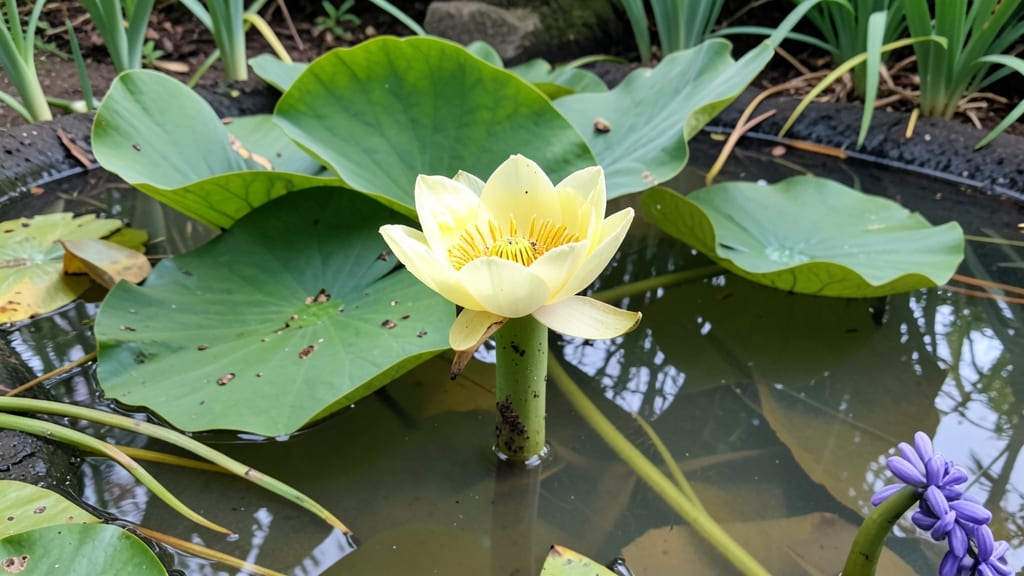
A small water garden transforms even the tiniest yard into a tranquil retreat—just a few square feet of still water can attract dragonflies, frogs, and the soothing sound of moving water. 🌿 I started with a 3-foot-wide preformed liner and a solar-powered fountain, and now my patio feels like a hidden sanctuary.
The key isn’t size; it’s creating the right balance of plants, flow, and shade to keep the ecosystem thriving with minimal effort.
You’ll need a container (plastic, fiberglass, or even a repurposed tub), a pump or fountain for movement, and a few hardy plants like water lilies, sweet flag, or marsh marigolds to filter the water naturally.
A small skimmer net and de-icer for winter round out the essentials—nothing fancy, just what keeps things clean and alive. The best part? Maintenance takes just 10 minutes a week once it’s balanced.
Imagine waking to the gentle ripple of water, knowing you’ve created a habitat where fireflies gather at dusk and tiny fish dart beneath the surface.
Your mini pond will stay crystal-clear with the right plant mix and a trickle of fresh water, while the surrounding stones or pebbles add texture and prevent erosion. It’s not just a feature—it’s a living ecosystem that rewards patience with beauty.
Perfect for balconies, small backyards, or even indoor sunrooms with the right setup. Whether you go for a bog garden, a tiny pond, or a bubbling fountain, the principles stay the same: keep it simple, let nature do the work, and enjoy the peace.
Here’s how to get started without overcomplicating it.
📚 In This Guide
- What you need
- Instructions
- Tips and common mistakes
- Wrapping up and next steps
What you need
- ● Container: 1 pre-formed pond liner (20–30 mil thickness, sized to your container)
- ● OR a plastic or fiberglass basin (10–50 gallons, depending on size)
- ● Water Source: 1 submersible pump (100–300 GPH, for circulation)
- ● 1 garden hose or watering can (for initial fill)
- ● Filtration: 1 small pond filter (biological or UV clarifier)
- ○ 1 spray bar or fountain kit (optional, for aeration)
- ● Plants & Decor: 3–5 floating plants (e.g., water hyacinth, duckweed)
- ● 2–3 marginal plants (e.g., water lilies, pickerelweed)
- ● 1–2 submerged plants (e.g., hornwort, anacharis)
- ● 1–2 decorative rocks or pebbles (for natural look)
- ● Extras: 1 water test kit (pH, ammonia, nitrites)
- ● 1 barrier fabric (to prevent liner punctures)
- ○ 1 solar-powered fountain (optional, for eco-friendly flow)
- ● Location: Choose a spot with partial shade (4–6 hours of sunlight daily) to reduce algae.
- ● Safety First: Use dechlorinated water (let tap water sit for 24 hours or use a conditioner).
- ● Budget-Friendly Swap: Skip the pump initially and rely on floating plants for natural filtration!
Step-by-step instructions for creating a small water garden
Here's how to build a balanced, low-maintenance miniature pond that thrives in tight spaces.
🪴 Step 1: Select and Prepare the Container
Choose a container with a minimum 12-inch depth—deeper ponds support more plant life and better temperature stability. I recommend a preformed plastic pond liner or a sturdy ceramic planter with a built-in basin. If using a liner, place it in a shallow basin or dig a hole slightly larger than the liner's dimensions to prevent it from ripping.
Line the bottom with 1-2 inches of gravel for drainage and to prevent root rot. Smooth the edges so water flows naturally. The goal is a seamless transition between land and water—no sharp edges that might damage plants or create tripping hazards. For a natural look, add a few flat stones around the perimeter to blend the container into your space.
💧 Step 2: Add Water and Establish the Base Layer
Fill the container with dechlorinated water—tap water contains chlorine that can harm aquatic life. Let it sit for 24 hours before adding plants or fish, or use a water conditioner to neutralize the chlorine. Fill to about 80% capacity, leaving room for plants and future water level fluctuations.
Add a layer of aquatic substrate like small pebbles or coarse sand to the bottom. This creates a natural habitat for beneficial bacteria and supports root growth. Avoid fine sand—it clouds the water and suffocates roots. Distribute the substrate evenly, leaving a 2-inch gap at the edges for easy maintenance.
🌿 Step 3: Plant Marginal and Floating Plants
Marginal plants like water hyacinth or water lettuce thrive in shallow water (1-3 inches deep) and add color. Place them around the edges of the pond, letting their roots trail into the water. Floating plants like duckweed or water lilies help shade the water, reducing algae growth. Add them last—they multiply quickly and can overtake the pond if introduced too early.
I like to start with 3-5 marginal plants and 2-3 floating plants for a balanced look. Space them evenly so they don’t crowd each other. Watch for signs of stress like yellowing leaves—this usually means the water isn’t warm enough or the plants need more light. A south-facing spot with 4-6 hours of sunlight daily works best.
✂️ Step 4: Introduce Fish and Test for Balance
Wait 4-6 weeks before adding fish to let the ecosystem stabilize. Start with hardy species like guppies or small goldfish—they tolerate cooler water and are less likely to upset the balance. Add no more than 2-3 fish per 10 gallons of water to avoid overcrowding. Overfeeding is the biggest mistake—only give them what they can eat in 2 minutes.
Test the water weekly for ammonia, nitrites, and nitrates using a liquid test kit. Healthy water should show 0 ppm ammonia and nitrites, with nitrates below 20 ppm. If levels spike, reduce feeding or add more plants to absorb excess nutrients. A small air pump keeps the water oxygenated and prevents stagnation.
🌱 Step 5: Maintain and Adjust Over Time
Top off the water as needed—evaporation is your biggest enemy in a small pond. Use a 1-inch layer of rainwater or dechlorinated tap water weekly to prevent mineral buildup. Skim off floating debris like leaves or pollen with a small net to keep the water clear. I do this every 2-3 days during peak pollen season.
Trim plants as they grow to maintain balance. Cut back overgrown marginal plants in early spring and remove dead leaves from floating plants. If algae starts to form, add a few more floating plants—they’ll shade the water and outcompete the algae naturally. A well-balanced pond should stay clear with minimal intervention.
Tips & tricks for perfect small water gardens
Creating a thriving miniature pond takes patience and attention to detail—here's how to avoid common pitfalls and create a balanced ecosystem that lasts.
Container Depth Matters: That 12-inch depth isn't just a suggestion—it's crucial for temperature stability and supporting diverse plant life. Shallower ponds heat up faster in summer and freeze more easily in winter. If your space is limited, consider a slightly deeper container (up to 18 inches) for better year-round performance. The extra depth also gives fish more room to swim and plants more root space to establish.
Timing is Everything with Water: The 24-hour wait before adding plants or fish isn't just about chlorine—it gives you time to verify your container is watertight and properly sealed. I always do a quick water level check after 24 hours to ensure no leaks developed. Also, avoid adding fish immediately after filling—wait until the water temperature stabilizes (usually 3-5 days in summer) to prevent temperature shock.
Plant Placement Strategy: When arranging your 3-5 marginal plants and 2-3 floating plants, think about sunlight penetration. Place taller marginal plants on the north side (if in northern hemisphere) to prevent them from shading the entire pond. Floating plants should be spaced so they cover 50-70% of the surface—this creates ideal shade while allowing light for submerged plants. Watch for yellowing leaves on marginal plants, which often indicates they need more sunlight rather than less.
Fish Introduction Secret: The 4-6 week wait before adding fish is non-negotiable for a healthy ecosystem. During this time, beneficial bacteria colonize the substrate and establish the nitrogen cycle. I recommend adding fish in small batches—start with just 1-2 fish and wait 2 weeks before adding more. This gradual approach prevents ammonia spikes that can be deadly to fish. And remember, those 2 minutes of feeding time are critical—uneaten food quickly fouls the water.
Pro Tips for Small Water Garden
- Creating a thriving miniature pond takes patience and attention to detail—here's how to avoid common pitfalls and create a balanced ecosystem that lasts.
- Container Depth Matters: That 12-inch depth isn't just a suggestion—it's crucial for temperature stability and supporting diverse plant life.
- Timing is Everything with Water: The 24-hour wait before adding plants or fish isn't just about chlorine—it gives you time to verify your container is watertight and properly sealed.
Frequently asked questions
Got questions about creating your own small water garden?
Here are some of the most common concerns—and their answers—to help you plan with confidence.
How do I keep my small water garden free from mosquitoes?
Mosquitoes thrive in stagnant water, but a well-balanced small water garden minimizes their presence. Add a fountain pump or solar-powered aerator to create movement, and introduce mosquito-eating fish like guppies or goldfish. Keep edges clean of debris, and avoid over-shading to discourage larvae. Pro tip: A small waterfall or bubbler disrupts their breeding cycle naturally!
How long does it take for a small water garden to become self-sustaining?
With the right setup, a tiny ecosystem can stabilize in 4–8 weeks, depending on climate and plant choices. Start with hardy species like water hyacinth or duckweed—they adapt quickly. Monitor water clarity and algae growth; if algae blooms persist, add barley straw or increase shade. Patience pays off as beneficial bacteria and plants establish balance!
Can I use tap water for my small water garden?
Yes! Tap water is safe for most small water gardens, but let it sit for 24 hours to allow chlorine/gas to dissipate. If your water is heavily chlorinated, use a dechlorinator or collect rainwater instead. Avoid well water with high mineral content unless tested—it can harm plants and fish. Pro tip: Test pH (aim for 6.5–7.5) to ensure a healthy environment.
What are the best low-maintenance plants for a small water garden?
Opt for native or aquatic-adapted plants to reduce upkeep. Top picks:
- Floating plants: Water hyacinth, duckweed (controls algae).
- Marginal plants: Pickerelweed, sweet flag (thrive in shallow edges).
- Submerged oxygenators: Hornwort, anacharis (keep water crisp).
Are fish necessary for a small water garden?
Not at all! Fish add beauty and balance but aren’t required. If you skip them, focus on oxygenating plants (like water lilies) and a small pump to prevent stagnation. However, fish like koi or goldfish help control pests and add movement. Warning: Small gardens (<100 sq ft) may struggle with fish waste—consider a gravel filter if you add them.
How do I winterize a small water garden?
In cold climates, drain all but 1–2 inches of water to prevent freezing damage. Remove dead plants, store tropical species indoors, and cover the garden with floating insulation (like pond netting). Keep a small heater or de-icer for fish ponds. In mild winters, reduce maintenance but avoid disturbing hibernating wildlife. Pro tip: Add a thermometer to monitor water temps—below 50°F, fish may need extra care!
Wrapping up and next steps
A small water garden isn’t just a charming addition to your space—it’s a self-sustaining ecosystem that brings tranquility and wildlife to your doorstep. Whether you’re drawn to the soothing sounds of water or the beauty of aquatic plants, this project is simpler and more rewarding than you might think.
Start small, embrace the learning curve, and watch your tiny pond thrive with natural balance!
Ready to dive in? 🌿 Grab your supplies, sketch your design, and begin transforming a corner of your yard into a peaceful retreat. Every ripple starts somewhere—let yours be yours!